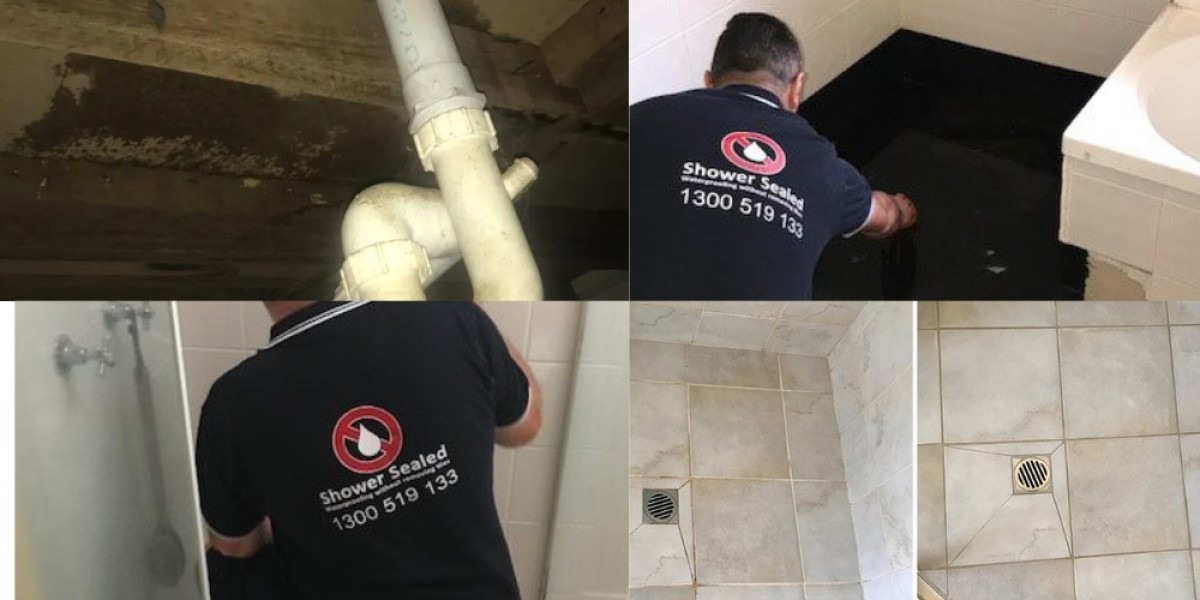


You notice a faint tide mark on a hallway skirting board or a wet patch of flaking paint on the other side of the bathroom. The instinct is completely natural: Pop down to Bunnings, grab a tub of pre-mixed grout, a tube of clear hardware-store silicone, and maybe a tin of painted-on liquid tile sealer. Two hours on a Sunday morning, fifty bucks spent, and the job looks sorted. But this is not so easy because you'll see the fallout of these quick fixes really fast in Australian homes, particularly those around the coast. What seems like a harmless stop-gap measure can quickly turn a minor, localised seal issue into a multi-thousand-dollar structural repair. Temporary fixes rarely address the real reason why water is escaping — they just redirect it somewhere worse. If you are currently weighing up cheap vs. professional leaking shower repair options, understanding where these budget-centric steps fall will save your home from serious hidden damage.
Australian bathrooms also cop a fair amount of punishment as daily temperature changes, wet-dry cycles, building movement, ageing sealants and poorly coordinated renovation work can all contribute to failure. The repair that looks perfectly reasonable on Monday can become the job nobody wants to revisit six months later. The trick is not spending the most money and rather spending it on the right parts of the problem.
The Cheapest Step Is Often The One That Gets Repeated
A bead of silicone, fresh grout or a quick patch can sometimes be appropriate, but the trouble starts when these treatments become the default answer to every leaking shower. Shower waterproofing experts should consider a shower where water is escaping through a failed junction. Replacing the visible seal will only slow the leak, but if water has already found a path behind the finished surface, the new seal may not fix the underlying defect.
That distinction matters because the Australian Building Codes Board describes a waterproofing system as more than a membrane alone. It can involve the substrate, membrane, bond breakers, sealants, finishes and related components working together as a water barrier. So a repair that focuses on one component without understanding the system can become a repeat job, and repeat jobs are where cheap repairs get expensive.
Four Repair Shortcuts That Deserve A Closer Look
Resealing Without Diagnosing The Leak
Silicone is useful, but it is not a magic pill. If a shower leak comes from a failed junction, movement or a compromised waterproofing layer, resealing one visible joint may only interrupt the water path temporarily. Good-quality shower leak diagnosis starts by asking where the water is actually entering and how it is travelling. The damp patch on the other side of the wall is not necessarily sitting directly behind the point of failure.
Regrouting Over A Bigger Waterproofing Problem
Cracked or missing grout attracts more attention because it is easy to see. But this does not automatically make grout the cause of the leakage. Homeowners should understand that grout is just a finish, not a substitute for the complete shower waterproofing system underneath it. The process of regrouting may improve the surface and can be worthwhile in the right circumstances. However, treating widespread moisture problems as a cosmetic grout issue can postpone a more appropriate repair.
Sealing Around Fixtures Without Checking Movement
Showers move not dramatically, but enough for rigid materials and joints to experience repeated stress. Plumbing penetrations, wall-to-floor junctions and changes between different materials deserve particular attention. A repair that looks neat on completion can fail if the underlying joint continues moving.
Choosing The Cheapest Quote Without Comparing Scope
This is probably the most expensive shortcut of all, as two quotes can look similar on paper while describing completely different work. One may involve diagnosis, preparation, removal of failed material, remedial waterproofing and testing, and another may simply describe sealing visible joints. This means the lower number is not necessarily cheaper once access, labour, drying time, and a second call-out enter the picture.
Where Shower Waterproofing Changes The Repair Decision?
A useful way to assess shower waterproofing is to separate the problem into three levels:
Surface Issue:
● A localised sealant or finish has deteriorated, while the underlying system remains sound.
● Targeted Waterproofing Issue:
Water is getting through a failed junction or waterproofing detail, but the shower may still suit a targeted remedial solution.
Systemic Failure:
There is extensive water ingress, substrate deterioration, widespread membrane failure or another underlying building problem that may justify more substantial reconstruction.
This is where professional judgement matters. The right repair is not automatically the biggest repair, and it is not automatically the cheapest one.
A Simple Decision Test
Before Approving A Repair, Ask:
● What has actually been identified as the source of water entry?
● Is the proposed work treating the cause or only the visible symptom?
● Which waterproofing components are being repaired?
● What happens if the leak returns?
● Does the scope allow for substrate or junction problems discovered during the work?
● Is the proposed solution appropriate for the age and condition of the shower?
● Those questions can reveal more than a shiny-looking quote.
Cheap Vs. Professional Leaking Shower Repair
The useful comparison is not simply cheap vs. professional leaking shower repair, as it is limited scope versus properly diagnosed scope. A professional repair does not mean automatically stripping the bathroom back to its bare structure, and in most cases, targeted repair is a sensible answer. In other situations, avoiding more invasive work initially only delays the inevitable.
The National Construction Code sets specific requirements for wet-area waterproofing, with NCC 2022 placing requirements in volume two, the housing provisions and, where the relevant compliance pathway is used, AS-3740:2021. The ABCB also notes that shower-area walls have specific waterproofing requirements and that falls toward a floor waste are mandatory where a floor waste is installed under the relevant housing provisions pathway. That is why "Just Seal It" is not a meaningful repair specification by itself.
The Long-Term Cost Is Rarely Just The Plumber's Bill
The long-term cost of shower leak repairs can include much more than the initial repair. There may be repeated labour, damaged finishes, moisture investigation, drying, access to adjoining areas, and disruption to occupants. In some serious cases, there can be replacement of materials affected by prolonged water ingress. The scale of the problem is not theoretical, and it is basically an analysis of proposed waterproofing and water-shedding changes. The ABCB estimated waterproofing defects occurred in 20–40% of apartment buildings and affected more than 1,000 buildings each year across class 2–9 buildings. Its analysis estimated that better outcomes could avoid almost $2.2 billion in construction costs, along with other professional, legal, and time-related costs. The figure relates to broader building waterproofing defects, not individual domestic showers, so it should not be treated as a household repair-cost estimate. It does, however, underline the economic principle: waterproofing defects become far more expensive when they are allowed to progress.
What Should Homeowners Actually Compare?
When reviewing leaking shower repair options in Australia, compare the scope rather than the headline price. A useful quote should make it reasonably clear what has been inspected, what has been identified, what work is proposed and what limitations apply. For homeowners, this could mean asking whether the work involves resealing, targeted waterproofing, replacement of damaged components or a more substantial rebuild. For small businesses, landlords and property managers, documentation matters even more. A repair record can help establish what was found, what was repaired and whether further investigation was recommended. That information becomes handy if a leak returns or another contractor needs to assess the area later.
Don't Confuse Speed With Value
There is a natural temptation to choose the repair that gets the shower back in service fastest. Sometimes that is exactly right, as a commercial bathroom, rental property, or busy family bathroom cannot always sit out of action while every possibility is investigated. But speed only has value if the repair addresses a problem that is properly understood; otherwise, the shower is back in use — and the clock has simply started again.
When Fixing The Shower Properly Costs Less?
There is a point where fixing shower waterproofing becomes cheaper than continually treating the symptoms. The decision usually comes down to the condition of the existing shower, the source and extent of the leak, access, and previous repair history. This is also why shower waterproofing experts should not be judged solely by whether they recommend a large repair. Conversely, a small patch can be poor advice when there is clear evidence of a deeper failure.
FAQs
Is Resealing Always Enough For A Leaking Shower?
No, resealing can work when a failed surface joint is genuinely causing the leak, but it will not correct every underlying waterproofing defect. If moisture continues after repair, further investigation may be needed rather than another bead of sealant.
How Can I Tell If My Shower Needs Waterproofing Repair?
Persistent dampness, recurring leaks, damaged junctions and repeated failed repairs deserve proper assessment. Shower waterproofing may be appropriate where the waterproofing system itself has failed, but the repair should follow diagnosis rather than guesswork.
Are Cheap Shower Repairs Worth Considering?
They can be, provided the scope matches a genuinely localised defect. The problem with cheap repairs is not their price; it is paying for a surface treatment when the underlying water-entry path needs more attention.
When Does Leaking Shower Repairing Become A Bigger Job?
It tends to become more involved when moisture has affected substrates, multiple waterproofing details have failed, or previous repairs have not lasted. At that point, repeated patching can cost more in labour and disruption than addressing the underlying defect.
What Should I Ask A Waterproofing Contractor Before Work Starts?
Ask what they believe is causing the leak, what evidence supports that diagnosis and exactly what the quoted work includes. A clear scope also helps you understand whether fixing shower waterproofing means local remedial work or a substantially larger reconstruction.
Can A Leaking Shower Be Repaired Without Removing All The Tiles?
Sometimes, depending on the defect, shower construction and access to the affected area. A leaking shower repair approach should be based on the actual failure rather than assuming either full demolition or a simple surface patch is always required.
Why Do Some Shower Leaks Return After Repair?
Usually because the original cause was not fully addressed, the repair was unsuitable for the defect, or another component has subsequently failed. Repeated leaks are a strong reason to step back and reassess the whole waterproofing system rather than keep repeating the same fix.
The Practical Takeaway
A cheap shower repair is not automatically a bad repair. Plenty of showers have one failed joint, one tired seal or one localised defect that can be dealt with without turning the bathroom upside down. The expensive mistake is assuming every leak is that simple. Look beyond the visible crack, stain or failed bead. Compare the actual repair scope, understand what is causing the water entry and consider what happens if the first repair does not hold.






