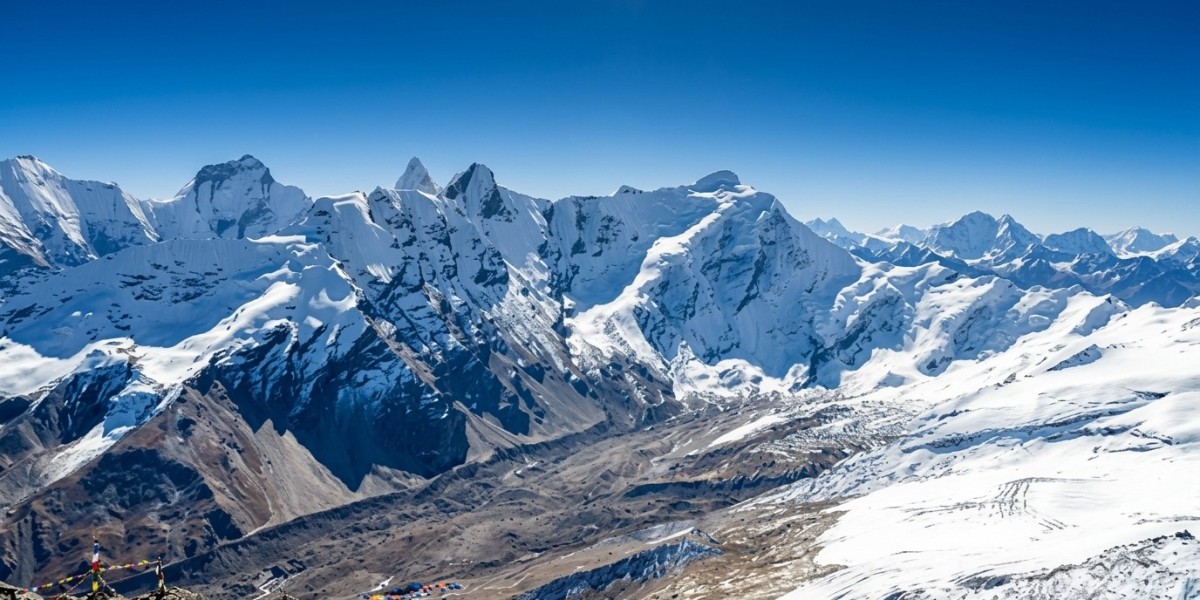


The Himalayas have always represented the ultimate challenge for adventure seekers. While trekking routes such as Kedarkantha, Hampta Pass, and Sandakphu introduce people to high-altitude environments, many climbers eventually ask a bigger question:
What does it take to climb a real mountain?
That question leads directly into the world of technical Himalayan peaks India offers.
Unlike trekking peaks, technical mountains require specialized skills such as rope work, glacier travel, crampon use, ice axe techniques, and high-altitude decision-making. The good news is that India provides one of the best mountaineering progression systems in the world, allowing beginners to gradually develop the skills needed for serious Himalayan climbing.
In this comprehensive guide, you'll learn what technical Himalayan peaks are, why they matter, how to progress safely, which mountains to climb at each stage, common mistakes to avoid, and expert recommendations for long-term success.
What Are Technical Himalayan Peaks?
Technical Himalayan peaks are mountains that require more than physical fitness and trekking experience.
These climbs typically involve:
Fixed rope systems
Glacier travel
Ice and snow climbing
Rock scrambling
Exposure to steep terrain
Mountaineering equipment
Unlike standard treks, climbers must actively manage risk while using technical skills to move through challenging terrain.
Examples include:
Friendship Peak
Deo Tibba
Kang Yatse
Island Peak
Lobuche East
Ama Dablam
Each mountain introduces a higher level of complexity and responsibility.
Why Technical Himalayan Climbing Matters
Many climbers focus exclusively on summit goals.
Experienced mountaineers focus on progression.
Technical climbing matters because it develops:
Mountain Judgment
Learning when to continue and when to turn around can save lives.
Risk Management Skills
Climbers learn to evaluate:
Weather conditions
Avalanche hazards
Route safety
Team capability
Self-Reliance
Technical peaks teach climbers how to solve problems in remote environments.
Foundation for Advanced Expeditions
Peaks such as Ama Dablam, Baruntse, and eventually 8,000-meter mountains require technical skills developed over years of progression.
Benefits of Climbing Technical Himalayan Peaks
Develop World-Class Mountaineering Skills
Technical climbs teach practical skills that cannot be learned on standard treks.
These include:
Rope systems
Glacier movement
Ice climbing
Crevasse rescue awareness
Build High-Altitude Experience
Every mountain helps climbers understand how their bodies respond to altitude.
Increase Confidence
Each successful climb builds confidence for larger objectives.
Access More Challenging Expeditions
Many iconic Himalayan peaks require prior technical experience.
Without foundational climbs, larger objectives become unrealistic.
Step-by-Step Progression for Technical Himalayan Peaks India
One of the biggest mistakes beginners make is attempting difficult peaks too early.
The most successful climbers follow a structured progression.
Step 1: Complete a Mountaineering Course
Before attempting technical peaks, consider training through:
Himalayan Mountaineering Institute (HMI)
Darjeeling's HMI remains one of India's most respected mountaineering institutions.
Nehru Institute of Mountaineering (NIM)
Located in Uttarkashi, NIM provides extensive technical training.
Training typically includes:
Rope work
Ice axe techniques
Glacier travel
Rock climbing
Rescue systems
Step 2: Climb Your First Technical Peak
Friendship Peak (5,289m)
Friendship Peak is often recommended as a first technical mountain.
Skills learned:
Glacier movement
Fixed rope travel
High-altitude camping
Difficulty: Beginner to Intermediate
Step 3: Move to Higher Altitude Objectives
Kang Yatse II (6,250m)
Kang Yatse II provides valuable altitude experience without excessive technical difficulty.
Deo Tibba (6,001m)
Deo Tibba introduces more advanced climbing skills and steeper terrain.
Step 4: Gain International Himalayan Experience
Many Indian climbers expand into Nepal after completing Indian objectives.
Common progression peaks include:
Island Peak
Excellent for learning fixed rope systems.
Lobuche East
One of the best preparation climbs for future technical objectives.
Mera Peak
Provides valuable altitude exposure above 6,400 meters.
Step 5: Attempt Advanced Technical Peaks
Ama Dablam
Often called the "Matterhorn of the Himalayas," Ama Dablam is considered one of the world's finest technical climbs.
It requires:
Strong rope skills
Mixed climbing ability
High-altitude experience
Excellent fitness
For climbers planning this progression, TrekYaari's complete guide to technical Himalayan peaks in India provides a detailed breakdown of each stage of development.
Common Mistakes Beginners Make
Skipping Training
Many climbers try to learn technical skills during expeditions.
This approach increases risk significantly.
Chasing Altitude Too Early
Higher mountains do not automatically make better objectives.
Skill progression matters more than elevation.
Ignoring Fitness
Technical climbing demands endurance, strength, and recovery capacity.
Underestimating Weather
Mountain weather changes rapidly.
Even experienced climbers turn around when conditions become unsafe.
Choosing Objectives Beyond Current Skill Level
Progression exists for a reason.
Rushing often leads to setbacks or dangerous situations.
Expert Tips for Success
Focus on Skill Development
Summits come naturally when skills improve.
Train Consistently
Build:
Cardiovascular endurance
Leg strength
Core stability
Hiking endurance
Practice Rope Systems Frequently
Technical proficiency should become automatic.
Keep a Long-Term Mindset
Most successful mountaineers spend years progressing toward advanced objectives.
Learn from Experienced Climbers
Guides, instructors, and mentors accelerate learning while improving safety.
Frequently Asked Questions
What are technical Himalayan peaks?
Technical Himalayan peaks are mountains that require mountaineering skills such as rope work, glacier travel, crampon use, and ice axe techniques.
Which is the best technical peak for beginners in India?
Friendship Peak is widely considered one of the best beginner-friendly technical peaks due to its manageable difficulty and excellent learning opportunities.
Do I need a mountaineering course before climbing technical peaks?
While not mandatory for every mountain, formal training significantly improves safety and success rates.
How difficult are technical Himalayan peaks?
Difficulty varies by objective. Beginner peaks require basic mountaineering skills, while advanced peaks such as Ama Dablam demand extensive technical experience.
How long does it take to progress to advanced technical climbs?
Most climbers require several years of training and progressively challenging expeditions before attempting advanced objectives.
Can Indian climbers prepare entirely within India?
Yes. Institutions such as HMI and NIM, combined with peaks in Himachal Pradesh, Uttarakhand, and Ladakh, provide an excellent progression pathway before moving to Nepal.
Conclusion
The world of technical Himalayan peaks India offers is both challenging and incredibly rewarding. From your first mountaineering course to advanced objectives like Ama Dablam, every stage teaches essential skills that build confidence, competence, and mountain judgment.
The key is not reaching the highest summit as quickly as possible. The key is following a structured progression, developing technical skills, and gaining experience one step at a time.
India provides one of the most affordable and accessible pathways into serious mountaineering anywhere in the world. Climbers who invest in training, respect the process, and build their experience gradually are far more likely to enjoy long, successful mountaineering careers.
Ready to Start Your Mountaineering Journey?
Explore TrekYaari's Technical Himalayan Peaks India – Complete Beginner to Expert Guide and begin building your personal roadmap from beginner climber to advanced Himalayan mountaineer.






