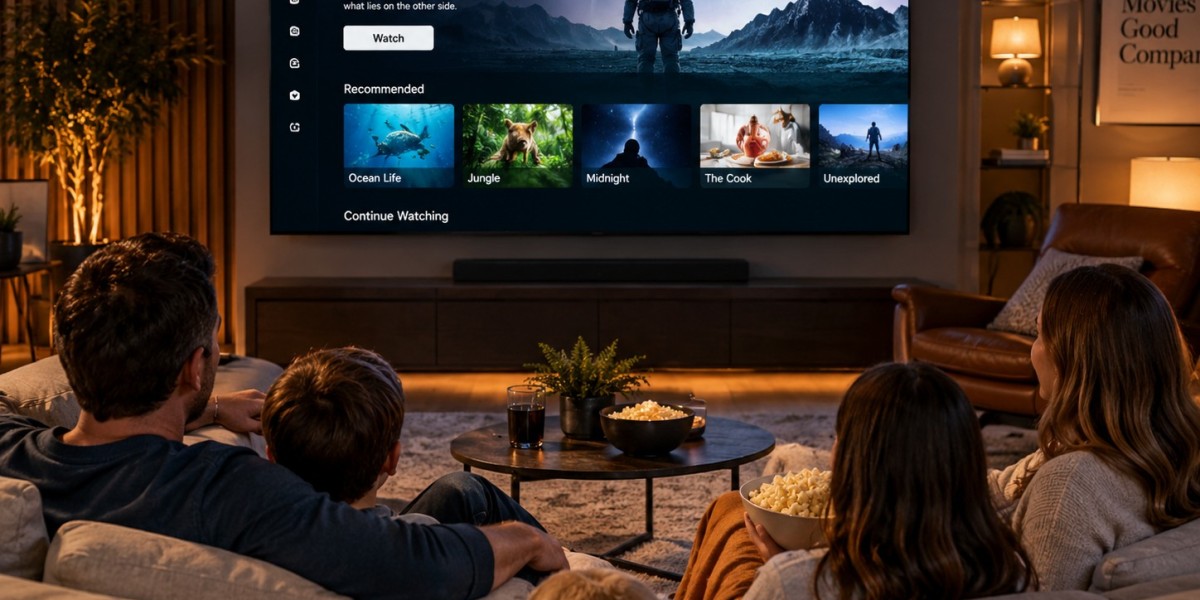


Television has changed significantly over the past few decades. Traditional cable was once the standard way for households to receive a large selection of channels, but internet-based services have introduced new ways to watch live television and on-demand content.
IPTV is one of the technologies that has contributed to this shift. Instead of receiving television programming through a conventional cable network, IPTV delivers content over an internet connection. This difference affects how viewers access channels, use devices, manage subscriptions, and interact with television services.
While both approaches can provide access to live television, the experience can be quite different depending on the viewer's needs and home setup.
How IPTV and Cable Deliver Television
Traditional cable television uses a dedicated cable network to deliver television signals to a customer's home. The service generally requires a cable connection, compatible equipment, and a subscription package that determines which channels are available.
IPTV uses an internet connection to deliver television content, creating a more flexible form of modern TV access for viewers who prefer internet-based services. Instead of relying entirely on traditional cable infrastructure, IPTV can work through compatible Smart TVs, streaming devices, computers, tablets, and other supported hardware.
This difference does not automatically make one technology better than the other. It simply means that each approach has different technical requirements and advantages.
Changes in Viewing Flexibility
One of the biggest differences between traditional cable and IPTV is flexibility.
Cable television has traditionally been designed around a fixed television setup. Viewers normally watch through a television connected to the cable service and associated equipment.
Internet-based television can offer more flexibility depending on the service and supported devices. A viewer may be able to watch content on a Smart TV at home and use another compatible device in a different location.
This can be particularly useful for households where different people have different viewing habits.
The Role of Internet Connectivity
With IPTV, the internet connection becomes an important part of the television experience.
A stable connection is necessary for consistent streaming, particularly when watching high-resolution or live content. Internet speed, Wi-Fi performance, network congestion, and the number of connected devices can all influence playback.
Cable television does not depend on household internet in the same way for delivering its traditional television channels. This can make cable appealing to households that want television service without relying on their internet connection.
However, as internet infrastructure has improved, many households now use their broadband connection for several types of entertainment and communication.
More Device Choices
Traditional cable is generally associated with a television and cable receiver or set-top box. IPTV and other internet-based services can support a wider range of devices, depending on the provider.
Smart TVs, streaming sticks, media players, smartphones, tablets, and computers can all potentially become viewing devices.
This does not mean every IPTV service works on every device. Compatibility varies, so viewers should always check which operating systems and hardware are supported before choosing a service.
The broader device ecosystem has nevertheless changed how people think about where and how television can be watched.
On-Demand Viewing Has Changed Expectations
Traditional cable is strongly associated with scheduled programming. Viewers select a channel and watch whatever is currently being broadcast.
Modern viewers have increasingly become accustomed to on-demand entertainment. Movies, series, recorded programs, and other digital content can often be accessed at times that suit the viewer.
IPTV services can combine live television with other forms of internet-based content, depending on the platform. This can make television feel less tied to a fixed schedule.
The shift has also influenced traditional television companies, many of which now provide their own apps and digital viewing options.
Channel Selection Is No Longer the Only Factor
In the past, consumers often compared television services mainly by the number of channels included in a package.
Today, channel quantity is only one part of the decision. Viewers may also consider picture quality, supported devices, streaming stability, user interface, recording features, on-demand content, and flexibility.
A service with hundreds of channels may not be useful to someone who regularly watches only a small selection of programs. Likewise, a viewer interested in specific sports, international channels, or specialized programming may prioritize availability over the size of the overall package.
This has made television purchasing decisions more personalized.
Picture Quality Has Evolved
Both cable and IPTV can support high-definition television, but internet streaming has made high-resolution video increasingly common across different types of devices.
Modern IPTV services may support HD and, where available, 4K streaming. However, the actual viewing quality depends on more than the service itself.
The television or streaming device must support the required resolution, while the internet connection needs enough bandwidth to deliver the stream consistently.
Cable systems can also provide high-quality television, so picture quality alone does not necessarily determine which technology is better.
Installation and Equipment
Traditional cable may require professional installation, physical cabling, and a provider-supplied set-top box.
Internet-based television can sometimes be simpler to configure if the household already has a suitable internet connection and compatible device. In some cases, users only need to install a supported application or configure the service on existing hardware.
However, IPTV still requires some technical setup. Users need to make sure their device is compatible and that the home network can handle the expected streaming traffic.
The ease of setup therefore depends on the specific service and household.
Pricing and Subscription Choices
Cost is another area where television services have changed.
Traditional cable packages can bundle many channels together, often with different tiers and additional equipment fees. IPTV services can use different subscription structures, depending on the provider and content available.
Rather than comparing prices alone, consumers should look at the complete package. Consider the number of useful channels, supported devices, video quality, additional features, contract terms, and any equipment costs.
A cheaper service is not necessarily better if it lacks the content or features that a household actually wants.
What About Reliability?
Reliability depends on the technology and the conditions under which it is being used.
Cable television can continue operating independently of household Wi-Fi, which may be an advantage in certain situations. IPTV depends on the internet connection, so network interruptions can affect streaming.
At the same time, a well-configured home network with a stable broadband connection can provide reliable IPTV streaming.
Router placement, Ethernet connections, network congestion, and internet service quality can all influence the result.
The Biggest Change Is Consumer Choice
Perhaps the most important change is that viewers now have more ways to access television than they did in the past.
Cable remains useful for many households, while IPTV and other streaming technologies have created alternatives based around internet connectivity.
Consumers can choose between different combinations of live television, on-demand content, applications, devices, and subscription models.
This means television is no longer defined by a single delivery method. Instead, households can build entertainment setups around their own viewing preferences.
Final Thoughts
The comparison between IPTV and traditional cable is not simply about replacing one technology with another. It reflects a broader change in how people expect to access and consume television.
Cable provides a familiar and established approach, while IPTV offers internet-based delivery and greater potential flexibility across supported devices.
The right choice depends on factors such as internet reliability, preferred channels, viewing habits, device compatibility, picture quality, and budget.
As television continues to evolve, the most significant development may not be one particular technology winning over another. It is the growing ability for viewers to choose how, where, and when they want to watch.






