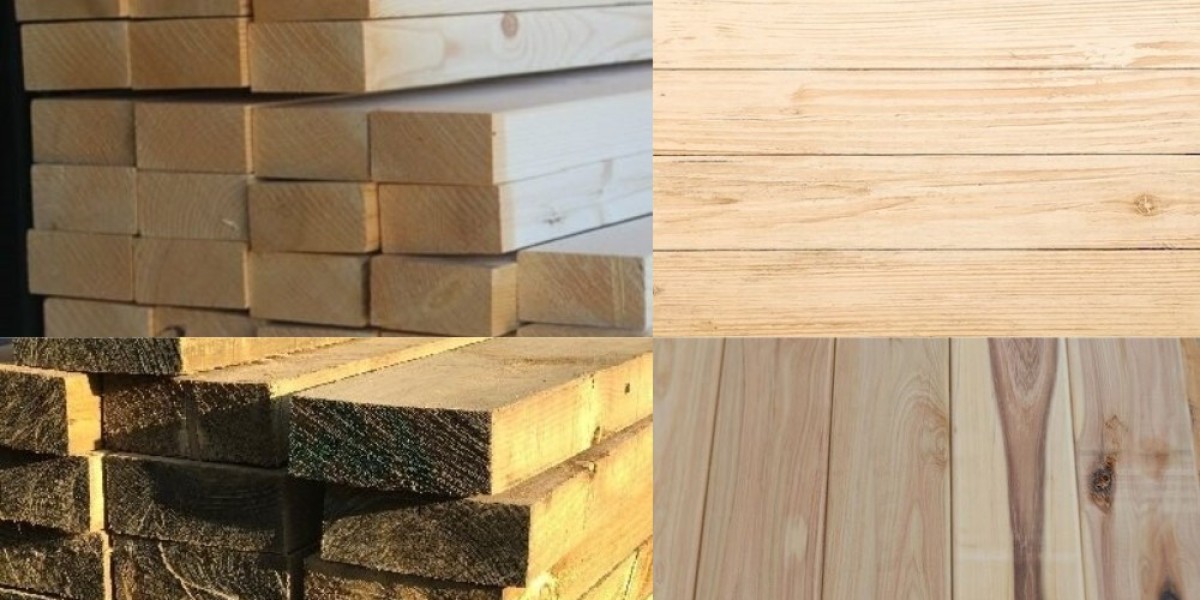


In the absence of proper maintenance, care and upkeep, a deck in any Sydney home’s backyard can turn into a sponge in just a couple of years. Homeowners think that they scored a massive win on materials, but the mistake they made was laying H3 treated pine directly on the subgrade with zero ventilation. As a result, the timber gets cooked faster than usual. When you are pricing up treated pine, the smooth finish or the price tag usually grabs attention first. But honestly, focusing on aesthetics is a major error that can cost you thousands down the track. You need to look at what is happening under the boards, and this means the better question is whether the timber, treatment and the installation details match the actual conditions where it will live or not.
Start With The Exposure, Not The Colour
Homeowners often start by comparing colour, grain, and board profile. That sounds fair enough as nobody wants an ugly deck, but outdoor timber performance is usually determined by what happens around and beneath the boards. Therefore, before buying, homeowners should assess the following:
● How much direct sun the deck receives
● Whether rainwater can drain freely
● Ground clearance and ventilation
● Exposure to coastal moisture or persistent humidity
● Likely foot traffic and furniture loads
● Whether parts of the structure sit close to soil or vegetation
This is where a lot of projects go sideways because a premium-looking board installed over poor drainage is still dealing with poor drainage. A useful rule of thumb is that the timber rarely performs better than the environment and detailing around it allow. Australian treated timber is classified according to its intended hazard exposure, and hence, the timber treatment class should match the application rather than simply the buyer’s budget.
The government also emphasises checking the hazard level, preservative treatment and manufacturer information before purchasing or working with treated timber.
The Treatment Class Is A Performance Decision
When people ask how to choose treated pine decking, they often jump straight to board thickness or finish. These things matter, but treatment suitability deserves attention first. The point of the entire treatment is to improve resistance to the biological threats timber faces, including decay organisms and insects. Australian Preservation Standards distinguish treatment requirements according to exposure conditions, with different hazard classifications applying to different service environments. But this does not mean buyers need to become timber chemists, and this means you must ask practical questions:
● Where is this timber going?
● What will regularly touch it?
● How wet will it get?
● How quickly can it dry?
All these questions are more useful than asking whether one board looks slightly better than another in the supplier’s yard. Then, there is also a safety angle, and not every treated timber product is appropriate for every high-contact application. Australian regulatory laws place restrictions around CCA-treated timber in frequent-contact uses such as domestic decking and handrails, so treatment type should never be treated as a minor detail. These are exactly the reasons why reputable treated pine suppliers should explain what product they are supplying and where it is intended to be used.
Decking Durability Comes Down To The Whole System
Here’s the slightly annoying truth: you cannot judge decking durability by the board alone. A deck is a system, and boards, joists, fixings, spacing, drainage, ventilation and maintenance all affect the final outcome. Ignoring one part and the others may end up doing extra work. For example, poor board spacing can trap leaf litter and moisture, and inadequate ventilation beneath the deck slows drying. Likewise, water pooling around supports can create a much harsher environment than the homeowner expected. Then, there are fixings and these are some details that can feel boring right up until staining, corrosion or movement appears.
Compatibility between timber treatment, environmental exposure and fixing materials deserves consideration during specification, particularly in coastal areas. A cheap shortcut during installation can also become an expensive lesson later. The lowest upfront decking price is rarely the lowest decking lifecycle cost if replacement, repairs and labour arrive early. This is the commercial side of material selection that many buyers miss. A few dollars saved per board can look clever on a quote, but irrelevant when sections need lifting, replacing or rebuilding.
Australian Weather Has No Interest In Your Mood Board
Australia is not one decking environment, and in southeast Queensland, prolonged humidity can make drying conditions difficult. Along coastal areas, salt-laden air introduces another consideration for metal components and exposed construction details. Weather swings can put repeated wetting and drying cycles into play, while hot western exposures can place enormous stress on surface finishes.
Then, there is bushfire planning and where a property sits in a designated bushfire-prone area; decking design and materials may need to meet additional requirements. This depends on the site and applicable construction provisions, and the Australian Building Codes Board recognises decks connected or adjacent to certain buildings within bushfire-prone areas as part of the broader bushfire construction framework.
This is where generic online advice gets a bit cooked, and a decking recommendation that works perfectly for a sheltered suburban courtyard may be unsuitable for a steep, exposed block. Local conditions should influence the conversation before anyone orders materials.
Quick Check Before You Buy – The Bit That Saves You Later:
● This is the snippet most suppliers won’t run through with you. How to choose treated pine decking without getting burnt:
● Confirm H3 or higher on the actual invoice, not just the display tag
● Ask if it’s Kiln-Dried After Treatment (KDAT) or wet – wet shrinks and cups more
● Check board size: 90x22 standard grade will have more knots and movement than premium, but is 30% cheaper in 2026 pricing.
● Stainless or Class-3 coated screws only near the coast, not zinc
● Get treatment type in writing - ACQ for coastal/high moisture
● That five-point check takes two minutes and saves a $6k re-deck.
● What To Consider Before Buying Treated Pine Decking?
Buyers who want a quick decision framework should assess these five factors before locking anything in:
Intended service conditions
Is the timber exposed above ground, close to soil, heavily weathered or partially sheltered?
● The answer affects the treatment and product suitability you should investigate.
Moisture Management
● Look beyond rainfall. Consider drainage, airflow, splashback, garden irrigation and areas where leaves or debris may collect.
Structural Layout
● A visually appealing decking pattern doesn't automatically mean sensible construction.
● Spans, joist spacing, and board orientation should meet the project’s engineering and building requirements.
Maintenance Tolerance
● Be honest here. If nobody in the household wants to clean, inspect or refinish the deck regularly, design and material decisions should account for that reality.
Total Ownership Cost
● Compare purchase price with likely maintenance, repair accessibility and expected service demands.
The cheapest quote is not always the bargain. Sometimes it is just the first instalment. This is the core commercial investigation point: buy for the conditions and lifecycle, not simply the opening price or showroom appearance.
Don’t Confuse Surface Appearance With Timber Quality
Freshly supplied timber can vary in colour, grain and moisture condition. Some buyers interpret natural variation as a defect, while others overlook more meaningful issues because everything looks so uniform. Appearance should still matter as it affects the finished project and homeowner’s satisfaction. But it should be considered alongside:
● Straightness and suitability for the intended installation
● Treatment identification
● Appropriate dimensions
● Product grade and application
● Supplier handling and storage
● Installation requirements
The NSW EPA advises buyers to identify treated timber’s hazard level, preservative treatment and manufacturer, while also selecting the right product for the job and handling waste correctly.
The Supplier Conversation Can Save A Lot Of Guesswork
Good suppliers do more than shift stock. For homeowners and small business owners planning a deck, the useful questions are not always “What’s Your Cheapest Price Per Metre?” Homeowners should instead ask:
● Is this product suitable for my intended exposure?
● What treatment does it have?
● Are there particular fixing considerations?
● How should cut ends and installation details be handled?
● What product information should I keep for future maintenance?
The conversation becomes even more valuable when the project has awkward site conditions. Sloping blocks, coastal exposure, poor drainage and bushfire overlays can change what makes sense. A supplier cannot replace an engineer, builder or relevant approval process. But good material advice taken early can prevent the classic scenario where everyone discovers a problem after the framing is already installed.
FAQs: Choosing Treated Pine Decking
Is Treated Pine Suitable For Australian Outdoor Decks?
Treated pine can suit outdoor applications when the product and timber treatment class match the exposure conditions, installation method and intended use. Australian weather is wildly varied, so check suitability rather than assuming that every treated product performs the same.
What Affects Treated Pine Decking Durability Most?
Treated pine decking durability depends on moisture exposure, drainage, ventilation, treatment suitability, fixing choices, and ongoing maintenance. The board itself matters, obviously, but poor installation details can undo a lot of good material selection.
Should I Choose Decking Based Mainly On Appearance?
No — appearance should follow performance considerations when deciding how to choose treated pine decking for a long-term project. A great-looking finish means little if water management, treatment suitability and structural detailing are a bit dodgy.
What Should I Ask Treated Pine Suppliers Before Buying?
Ask treated pine suppliers about treatment type, intended application, handling requirements and installation recommendations for the specific product. It is also worth confirming product identification so future repairs or additions do not become a guessing game.
Can Treated Pine Be Used In Bushfire-Prone Areas?
The answer depends on the site’s bushfire requirements and the relevant construction provisions, not simply whether the timber is treated. Check the applicable BAL assessment and project requirements before specifying decking, because this one is definitely not a “she’ll be right” decision.
Choose For The Years After Installation
A deck should look good, but appearance is the easy part of the decision.
The smarter approach is to assess treated pine through exposure, treatment suitability, drainage, installation quality and realistic ownership costs. Those factors usually determine whether a deck remains enjoyable or becomes another weekend repair project.






