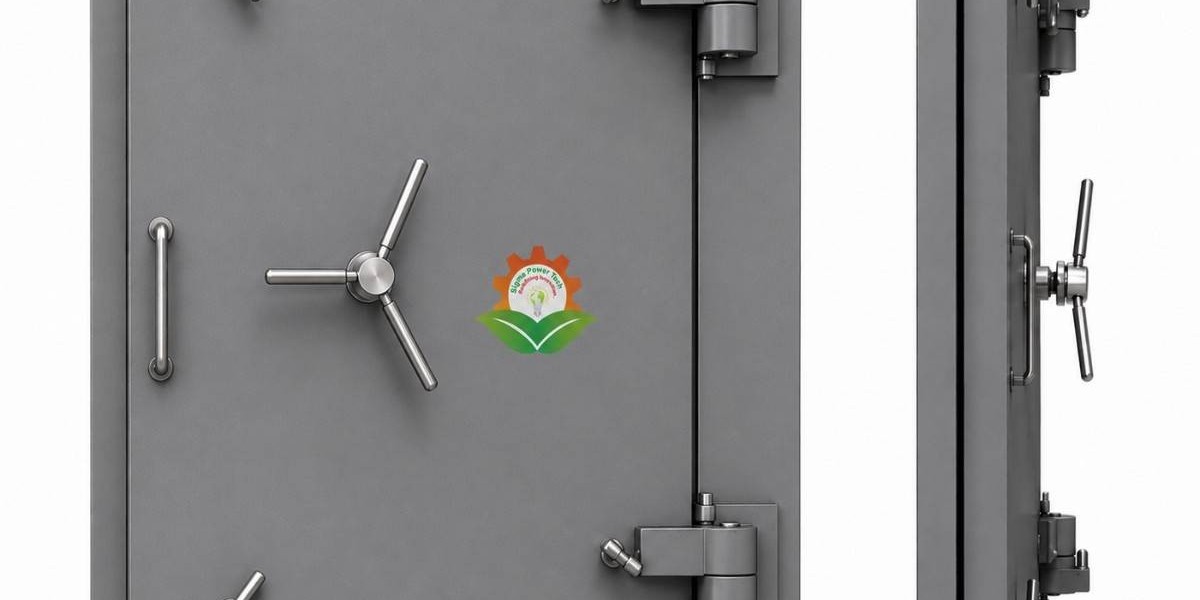


A military communications facility recently upgraded its secure access points after a revised threat assessment identified higher blast risks. Engineers evaluated both steel and composite door systems before making a final decision. While both options met the required security standards, differences in structural behaviour, weight, maintenance, fire performance, and long-term durability influenced the selection. The project demonstrated that choosing the right Blast proof door material depends on engineering requirements rather than material preference alone.
Today, defence establishments, embassies, oil and gas facilities, power plants, and critical infrastructure rely on a Blast proof door to protect personnel and equipment from explosive threats. Steel and composite blast doors each offer distinct advantages, but understanding how they perform under real blast conditions is essential for selecting the most suitable solution.
Understanding How a Blast Proof Door is Engineered
A blast proof door is a purpose-engineered protective barrier designed to withstand explosive pressure while maintaining structural integrity and limiting damage to protected areas.
Unlike standard industrial doors, blast-resistant systems include reinforced door leaves, structural frames, heavy-duty hinges, locking mechanisms, anchor assemblies, seals, and engineered wall connections. Every blast door design is developed using project-specific calculations based on anticipated blast pressure, stand-off distance, occupancy levels, and structural requirements.
Whether manufactured from steel or advanced composite materials, the objective remains the same: absorb blast energy, control deformation, and prevent catastrophic failure.
Steel vs Composite: Understanding the Differences
Steel remains the most widely used material for blast resistant doors because of its exceptional strength, predictable structural behaviour, and proven performance under high blast loads.
Composite blast doors, meanwhile, combine engineered materials such as reinforced polymers, fibre composites, lightweight cores, and specialised laminates. Their primary advantage lies in reducing weight while maintaining structural performance for specific applications.
Structural Performance Under Blast Loading
Steel doors generally provide higher resistance against extreme blast pressures because of their strength, stiffness, and energy absorption characteristics.
Composite doors are engineered differently. Rather than relying solely on mass, they are designed to distribute loads efficiently through layered construction. In moderate blast environments, composites can offer excellent performance while reducing structural loading on the supporting building.
Material selection should always follow detailed engineering analysis rather than assumptions about weight or thickness.
Blast Ratings and Certification
Regardless of material, every blast protection system must satisfy the required blast rating.
Certified products undergo engineering analysis and testing to evaluate:
Blast pressure resistance
Structural deformation
Frame stability
Locking system integrity
Hinge performance
Operational functionality after blast exposure
Compliance with recognised IS/BIS requirements and international blast standards is essential for both steel and composite systems.
Material alone does not determine performance—certified engineering and testing do.
Frame Anchoring and Wall Integration
The effectiveness of any blast door depends heavily on installation.
A reinforced steel door installed with inadequate anchoring can fail despite its high strength. Similarly, a composite door requires precise structural integration to transfer blast loads safely into reinforced concrete or engineered structural walls.
Reliable blast resistant door systems always include:
Engineered frame design
High-capacity anchor systems
Reinforced supporting walls
Precision installation
Structural load transfer calculations
The door, frame, and building structure must function as one integrated protective system.
Fire Resistance and Multi-Hazard Protection
Critical infrastructure often faces multiple risks beyond explosions.
Modern explosion proof doors, whether steel or composite, can be engineered to provide:
Fire resistance
Smoke containment
Corrosion resistance
Airtight sealing
Forced-entry protection
Environmental durability
Steel naturally performs well in demanding industrial environments, while composite systems often require specialised fire-resistant cores and protective coatings to achieve similar multi-hazard capabilities.
Automation and Access Control Integration
Material choice does not limit security integration.
Both steel and composite blast doors can support:
Biometric authentication
RFID access systems
Remote monitoring
Building Management System (BMS) integration
Emergency lockdown controls
Fire alarm interfaces
Automated opening mechanisms
The selection depends on operational requirements rather than construction material.
Maintenance and Long-Term Performance
Maintenance requirements differ between the two materials.
Steel doors require routine inspection for corrosion, coatings, hinges, welds, locking systems, and seals. With proper protective finishes, they offer exceptionally long service lives even in harsh environments.
Composite doors generally resist corrosion more effectively but should be inspected for surface damage, impact-related defects, seal integrity, and hardware performance.
In both cases, scheduled maintenance ensures continued compliance with design performance.
Key Features to Evaluate
Whether selecting steel or composite construction, a quality blast protection system should include:
High structural strength
Certified blast pressure rating
Corrosion-resistant protection
Fire-resistant capability
Airtight sealing
Security-grade locking systems
Durable structural frames
Low maintenance requirements
Long operational lifespan
Certification compliance
These characteristics contribute more to long-term safety than material choice alone.
Applications Across Critical Infrastructure
Both materials are used across a wide range of high-security facilities, including:
Defence and military installations
Government and administrative buildings
Embassies and consulates
Oil & gas and petrochemical plants
Power generation facilities
Data centres
Ammunition depots
Industrial process units handling hazardous materials
Steel is generally preferred for extremely high blast loads, while composite systems may offer advantages where weight reduction or corrosion resistance is a priority.
Cost and Investment Factors
Several engineering variables influence overall blast door price, regardless of material:
Required blast pressure rating
Door size and opening configuration
Material selection and thickness
Frame and anchoring engineering
Testing and certification costs
Automation and locking systems
Installation complexity
Site-specific structural assessment
Long-term maintenance planning
Composite systems may reduce structural loading, while steel often delivers greater long-term value for high-risk facilities because of its proven durability.
Choosing the Right Manufacturer
When evaluating Blast proof door manufacturers in India, buyers should prioritise engineering expertise instead of focusing solely on material options.
Key considerations include:
Proven industry experience
Blast engineering and testing credentials
Compliance with IS/BIS and recognised international blast standards
Customisation capability
Precision manufacturing
Professional installation expertise
Technical support
After-sales maintenance services
Reliable project history
An experienced Sigma Power Tech manufacturer and service provider develops customised protective solutions based on engineering analysis rather than standard product catalogues. Every Sigma Power Tech blast door is designed to meet project-specific blast loads, operational requirements, and structural conditions across defence, industrial, and government applications.
Common Mistakes to Avoid
Avoid these common purchasing mistakes when comparing steel and composite systems:
Choosing solely on price
Ignoring project-specific blast pressure assessment
Incorrect frame and wall integration
Underestimating fire or corrosion exposure
Failing to verify certification and testing
Neglecting long-term maintenance planning
Overlooking future automation and security upgrades
Engineering suitability should always take precedence over material preference.
Conclusion
Selecting the right Blast proof door is not simply a choice between steel and composite construction. The correct solution depends on blast rating requirements, certified engineering, structural integration, environmental conditions, and long-term operational needs. Both materials can deliver outstanding performance when properly designed, tested, and installed. By prioritising verified certification, professional engineering, and lifecycle reliability over initial cost alone, organisations can achieve dependable blast protection that safeguards people, infrastructure, and critical operations for years to come.






