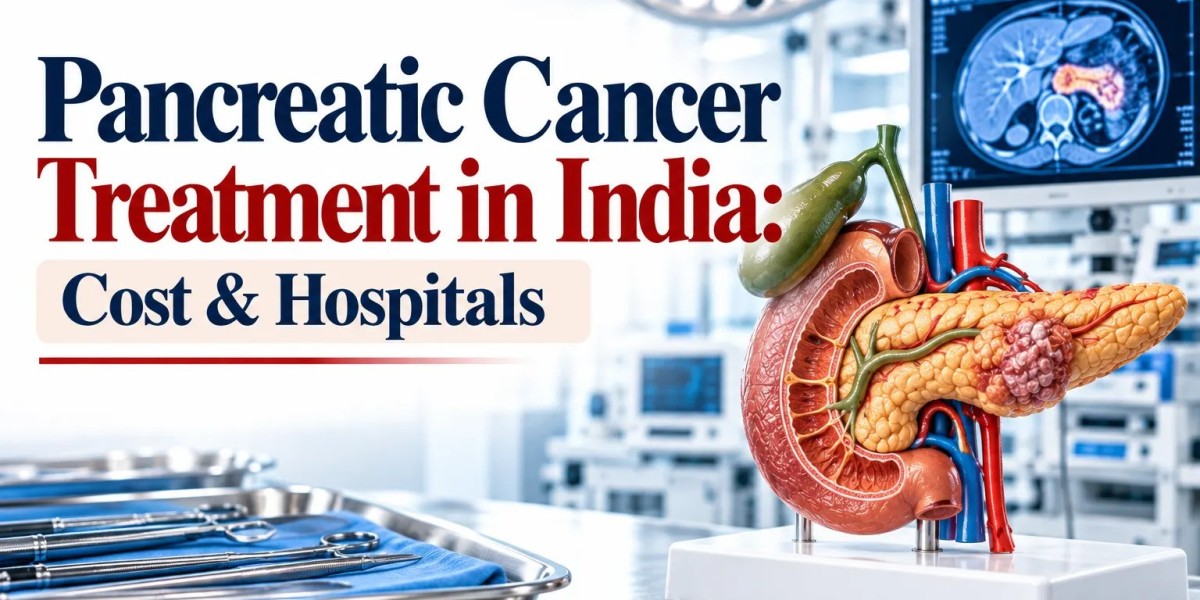


Pancreatic cancer is a serious disease that develops in the pancreas, an organ located behind the stomach that plays an important role in digestion and blood sugar regulation. Because early pancreatic cancer may cause few noticeable symptoms, it is sometimes diagnosed after the disease has progressed. However, advances in cancer diagnosis, surgery, chemotherapy, radiation therapy, and targeted treatments have improved the options available to many patients.
For international patients, India has become an important destination for advanced cancer care. Pancreatic Cancer Treatment in India may involve a multidisciplinary approach, where surgeons, medical oncologists, radiation oncologists, gastroenterologists, radiologists, and other specialists work together to develop an individualized treatment plan.
Understanding Pancreatic Cancer
The pancreas contains two main types of cells: exocrine cells, which help with digestion, and endocrine cells, which produce hormones such as insulin. Most pancreatic cancers develop from exocrine cells, particularly the cells lining the pancreatic ducts.
Common Types of Pancreatic Cancer
The most common form is pancreatic ductal adenocarcinoma. Other less common types include neuroendocrine tumors and certain cystic or rare pancreatic tumors.
Treatment depends greatly on the type of cancer, its location, tumor size, and whether it has spread to other parts of the body.
Symptoms of Pancreatic Cancer
Pancreatic cancer can be difficult to detect in its early stages. Symptoms may appear gradually and can sometimes resemble those of less serious digestive conditions.
Common symptoms include:
Abdominal or upper-back pain
Unexplained weight loss
Loss of appetite
Persistent indigestion
Nausea or vomiting
Jaundice, which can cause yellowing of the skin and eyes
Dark urine or pale stools
Changes in bowel habits
Fatigue
New or worsening diabetes in some patients
Having these symptoms does not necessarily mean a person has pancreatic cancer. However, persistent or unexplained symptoms should be evaluated by a qualified doctor.
How Is Pancreatic Cancer Diagnosed?
Accurate diagnosis is essential because pancreatic cancer treatment varies depending on the stage and characteristics of the tumor.
Imaging Tests
Doctors may recommend imaging studies such as:
CT scans
MRI or MRCP
Ultrasound
Endoscopic ultrasound
PET scans in selected situations
These tests can help identify the tumor, determine its size, and assess whether nearby tissues or distant organs are involved.
Biopsy
A biopsy may be performed when tissue confirmation is needed. During this procedure, a small sample of tissue is collected and examined under a microscope.
Blood Tests
Blood tests can provide additional information about a patient's overall health. Tumor markers such as CA 19-9 may sometimes be used to support evaluation and monitor treatment, although they cannot diagnose pancreatic cancer on their own.
Pancreatic Cancer Stages
Staging helps doctors understand how advanced the cancer is and whether surgery may be possible.
Broadly, pancreatic cancer may be described as:
Resectable Cancer
The tumor can potentially be removed completely through surgery because it has not significantly involved important nearby blood vessels or distant organs.
Borderline Resectable Cancer
The tumor may be close to or partially involve important blood vessels. Treatment may begin with chemotherapy, sometimes combined with radiation, to make surgery more feasible.
Locally Advanced Cancer
The cancer has grown into nearby structures or major blood vessels, making immediate surgery difficult. Systemic treatment is often considered, with surgery reassessed in selected cases.
Metastatic Cancer
The cancer has spread to distant organs, commonly the liver, lungs, or peritoneum. Treatment generally focuses on controlling the disease, relieving symptoms, and maintaining quality of life.
Treatment Options for Pancreatic Cancer
Treatment is selected according to cancer stage, tumor location, overall health, and whether the tumor can be surgically removed.
Surgery
Surgery can offer the possibility of long-term disease control or cure for some patients whose tumors can be completely removed.
The type of surgery depends on where the tumor is located.
Whipple procedure: Also called pancreaticoduodenectomy, this is commonly performed for tumors located in the head of the pancreas. It involves removing the pancreatic head and nearby structures and then reconstructing the digestive system.
Distal pancreatectomy: This may be used for tumors located in the body or tail of the pancreas. The spleen may also need to be removed in some cases.
Total pancreatectomy: In selected situations, the entire pancreas may need to be removed.
Pancreatic surgery is complex and is generally best performed by experienced multidisciplinary teams at specialized centers.
Chemotherapy
Chemotherapy uses medicines to destroy cancer cells or slow their growth. It can be used before surgery, after surgery, or as the primary treatment for advanced disease.
Some commonly used chemotherapy approaches include combinations based on drugs such as fluorouracil, oxaliplatin, irinotecan, gemcitabine, or other medicines. The exact regimen depends on the patient's health and cancer characteristics.
Radiation Therapy
Radiation therapy uses high-energy radiation to target cancer cells. It may be considered for selected patients with localized or locally advanced pancreatic cancer.
Modern techniques can help doctors deliver radiation more precisely while attempting to reduce exposure to surrounding healthy tissues.
Targeted Therapy
Some pancreatic tumors contain specific genetic changes that may make them suitable for targeted medicines. Molecular and genetic testing can therefore be useful in selected patients, particularly those with advanced disease.
Immunotherapy
Immunotherapy is not suitable for every pancreatic cancer patient. However, certain tumors with particular molecular characteristics may respond to immunotherapy. Testing can help identify patients who might benefit.
Why Patients Consider India for Cancer Care
India has developed a strong healthcare infrastructure with experienced specialists, advanced diagnostic facilities, and comprehensive cancer centers.
For suitable patients, Pancreatic Cancer Treatment in India can provide access to multidisciplinary teams that combine surgery, oncology, radiology, pathology, and supportive care.
International patients may also find treatment costs comparatively accessible, although the final expense varies considerably depending on the treatment plan, hospital, cancer stage, medications, length of stay, and complications.
Factors That Affect Treatment Cost
There is no single fixed price for pancreatic cancer care. The total cost may depend on:
Stage of cancer
Type of surgery required
Hospital and specialist fees
Diagnostic investigations
Chemotherapy medicines
Radiation therapy
Targeted or immunotherapy medicines
Hospital stay
Intensive care requirements, if needed
Follow-up appointments
Management of treatment-related complications
Patients should request a personalized estimate after their medical reports have been reviewed rather than relying only on general online figures.
Medical Travel for International Patients
Traveling to another country for cancer treatment requires more than choosing a hospital. Patients may need assistance with medical records, appointments, travel documents, accommodation, transportation, and communication.
HealthRoop can help international patients understand their treatment options and coordinate care with hospitals and specialists in India. Support may include reviewing medical reports, arranging consultations, helping with hospital selection, and assisting with travel-related arrangements.
Patients should carry relevant medical records, including biopsy reports, imaging scans, pathology reports, previous treatment details, medication lists, and recent laboratory results.
How to Choose the Right Cancer Center
Choosing a treatment center is an important decision. Patients should consider:
Experience of the Medical Team
Ask about the experience of the pancreatic surgery and oncology teams, particularly with complex pancreatic procedures.
Multidisciplinary Care
A center where surgeons, oncologists, radiologists, pathologists, gastroenterologists, nutritionists, and supportive-care specialists collaborate can provide more coordinated treatment.
Diagnostic and Surgical Facilities
Advanced imaging, pathology, intensive care, and surgical facilities can be particularly important for complex pancreatic procedures.
Personalized Treatment Planning
Every pancreatic cancer case is different. The treatment plan should be based on the patient's cancer stage, general health, tumor characteristics, and treatment goals.
Supportive Care During Treatment
Cancer treatment involves more than controlling the tumor. Nutritional support, pain management, psychological support, diabetes management, and rehabilitation can all contribute to a patient's overall well-being.
Because the pancreas contributes to digestion and blood sugar regulation, some patients may experience digestive problems or changes in blood glucose following treatment. Doctors may recommend pancreatic enzyme replacement, dietary adjustments, or diabetes management when necessary.
Questions Patients Should Ask Their Doctor
Before beginning treatment, patients can consider asking:
What stage is my pancreatic cancer?
Is the tumor removable through surgery?
What treatment do you recommend first, and why?
Will chemotherapy be needed before or after surgery?
Is radiation therapy appropriate for my case?
Should my tumor undergo molecular or genetic testing?
What side effects should I expect?
How long might treatment take?
What follow-up care will I need?
Are there clinical trials or additional treatment options available?
Clear communication can help patients understand their choices and participate more confidently in treatment decisions.
Conclusion
Pancreatic cancer requires careful diagnosis, accurate staging, and a treatment strategy tailored to each patient. Depending on the stage and characteristics of the disease, treatment may involve surgery, chemotherapy, radiation therapy, targeted medicines, immunotherapy, or a combination of approaches.
For patients seeking specialized care abroad, Pancreatic Cancer Treatment in India can offer access to experienced cancer specialists, modern hospitals, and multidisciplinary treatment programs. However, treatment decisions should always be based on an individual medical assessment rather than general information.
With appropriate evaluation and coordinated care, patients can better understand their available options and make informed decisions about their cancer treatment journey. HealthRoop can assist international patients with medical coordination and practical support while they seek treatment in India.






