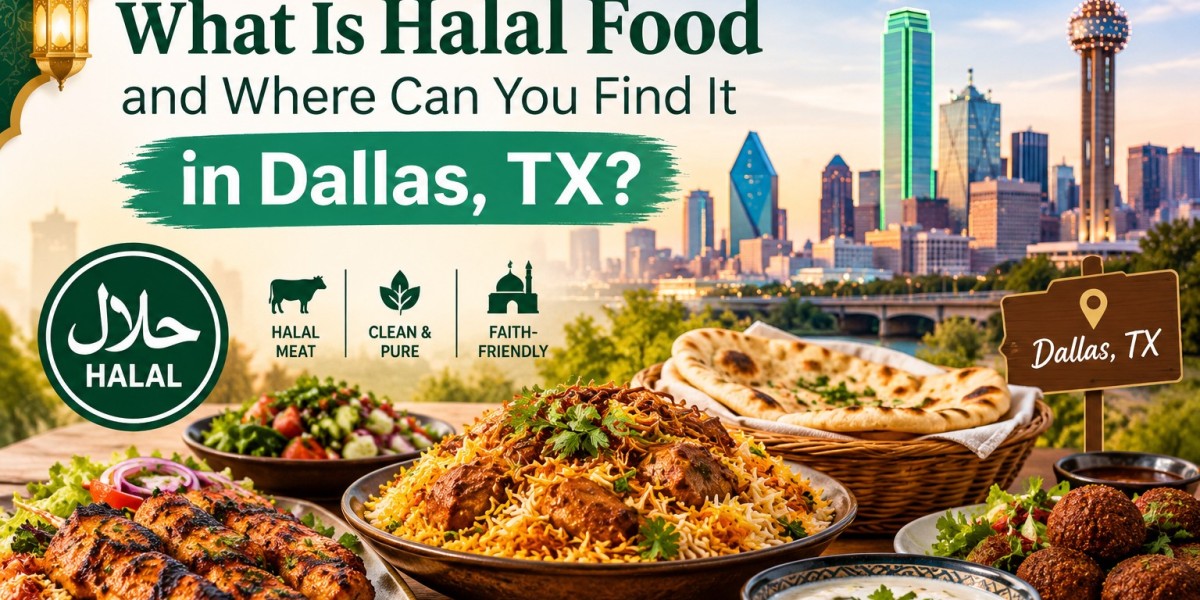


What is halal food, and where can you find it in Dallas, Texas? Halal food refers to food that is permissible under Islamic dietary guidelines, including requirements for certain ingredients, meat sourcing, and food preparation. In Dallas, people looking for halal meals can explore a variety of restaurants serving Pakistani, Indian, Middle Eastern, and other cuisines. Understanding what halal means can help diners make informed choices, whether they want a quick lunch, a traditional family dinner, or a new culinary experience.
Short Intro
Halal food follows Islamic dietary guidelines concerning ingredients, meat, and preparation. In Dallas, diners can explore halal options ranging from biryani and kebabs to shawarma, curries, and grilled dishes. Before visiting a restaurant, check its menu, location, current hours, and halal sourcing practices to ensure they meet your requirements.
What Does Halal Food Mean?
The word halal means permissible in Arabic. In Islamic dietary practice, it describes food and ingredients that Muslims are allowed to consume under Islamic law. Halal guidelines cover more than the type of food served. They can also involve how meat is sourced, how animals are slaughtered, and how food is handled and prepared.
Many everyday foods, including fruits, vegetables, grains, beans, and most unprocessed plant-based ingredients, are generally halal. However, ingredients and preparation methods still matter. Certain animal products, intoxicants, and foods containing prohibited ingredients are not permissible.
For meat to qualify as halal, it must come from an allowable animal and meet applicable Islamic slaughter requirements. Food handling also matters when there is a risk of contact with prohibited ingredients.
These principles help diners understand why two restaurants serving similar dishes may differ in whether their meals meet halal requirements.
Which Foods Are Considered Halal?
Halal cuisine includes a wide range of dishes and ingredients, making it possible to enjoy different flavors while following Islamic dietary guidelines.
Meat and Poultry
Beef, lamb, goat, and chicken can be halal when they meet the relevant requirements for sourcing and slaughter. These ingredients are commonly used in dishes such as biryani, kebabs, curries, and grilled platters.
However, the presence of chicken or beef on a menu does not automatically mean that the dish is halal. Diners should confirm the restaurant's sourcing and preparation practices when this is important to them.
Fruits, Vegetables, and Grains
Fresh fruits, vegetables, rice, lentils, beans, and many grains are generally halal when they do not contain prohibited ingredients or undergo unsuitable processing.
These ingredients form the foundation of many popular meals. Rice dishes, vegetable curries, lentil soups, and salads can offer satisfying choices for people who prefer plant-based foods.
Ingredients That Require Attention
Some ingredients require additional care. Pork and its derivatives are prohibited under Islamic dietary rules, and alcohol is generally prohibited for consumption. Certain sauces, flavorings, gelatin products, and processed foods may also need closer examination depending on their ingredients and preparation.
For this reason, reading ingredient labels and asking restaurant staff specific questions can help diners make informed decisions.
Where Can You Find Halal Food in Dallas, TX?
Dallas has a diverse dining scene, with restaurants offering cuisines from several parts of the world. People searching for halal meals can explore different neighborhoods and compare restaurants based on food preferences, convenience, and dietary requirements.
A search for halal food Dallas TX can help identify restaurants, menus, and nearby dining options. Once you have a shortlist, review each restaurant's official information and contact the establishment if you need confirmation about halal certification or sourcing.
Pakistani and Indian Restaurants
Pakistani and Indian restaurants are popular places to explore traditional halal-friendly dishes. Menus may include chicken biryani, seekh kebabs, chicken karahi, butter chicken, nihari, and freshly baked naan.
These cuisines offer different levels of spice and a variety of cooking styles. Some dishes feature grilled meats and smoky flavors, while others rely on slow-cooked gravies and aromatic spices.
For a family meal, ordering a combination of rice, curries, grilled items, and bread can provide options for different tastes. Always confirm that the specific meat and preparation practices meet your dietary requirements.
Middle Eastern Restaurants
Middle Eastern cuisine provides another option for diners looking for flavorful meals. Depending on the restaurant, menus may feature shawarma, falafel, hummus, grilled kebabs, rice platters, and fresh salads.
Shawarma typically consists of seasoned meat cooked on a rotating spit and served in a wrap or with rice. Falafel, usually made from chickpeas or fava beans, can be a suitable plant-based option when its ingredients and cooking practices meet your needs.
As with any cuisine, diners should confirm meat sourcing and ask about sauces or other ingredients when necessary.
Halal-Friendly Fast Casual Dining
Fast casual restaurants can be convenient for people with busy schedules. Options may include rice bowls, grilled chicken plates, wraps, burgers, and takeaway meals.
Convenience alone, however, does not establish that a restaurant is halal. Some establishments offer halal meat for selected dishes, while others may have different preparation arrangements.
Before ordering, ask whether the specific meal uses halal-certified or otherwise verified halal meat. If cross-contact is a concern, ask how ingredients and cooking equipment are handled.
How to Choose a Reliable Halal Restaurant
Finding a restaurant that serves appealing food is important, but understanding its halal practices is equally valuable.
Check Certification and Meat Sourcing
Some restaurants display halal certification or provide information about their suppliers. If certification matters to you, check which organization issued it and what it covers.
When certification is not displayed, ask the restaurant directly about its meat suppliers and preparation methods. A clear explanation can help you determine whether the establishment meets your expectations.
Review the Menu Before Visiting
Restaurant menus can help you compare dishes, portion sizes, prices, and available alternatives. Look for descriptions of ingredients and ask about anything that is unclear.
If you are dining with children or a group, a menu with grilled dishes, rice meals, vegetarian options, and milder curries may make ordering easier.
It is also worth checking whether the restaurant offers dine-in service, takeaway, delivery, or catering if you are planning a larger gathering.
Read Recent Customer Reviews
Customer reviews can provide insight into food quality, service, cleanliness, and portion sizes. They may also mention halal options, although online comments should not be treated as definitive proof of certification or sourcing.
Use reviews as a starting point and verify important dietary information directly with the restaurant.
Consider Location and Opening Hours
Dallas covers a large area, so location can influence your choice. Search for restaurants near your home, workplace, hotel, or planned destination to reduce travel time.
Check current opening hours before leaving, especially if you plan to visit early in the morning or later in the evening. Menus and operating schedules can change, so checking official information is useful.
Popular Halal Dishes Worth Trying
Exploring halal dining is also an opportunity to discover different cuisines and cooking traditions.
Chicken biryani combines seasoned rice with chicken and aromatic spices. It is a popular choice for lunch or dinner and is often served with raita or salad.
Seekh kebabs are made from seasoned minced meat shaped around skewers and cooked over heat. They are commonly paired with naan, chutney, or rice.
Chicken karahi is a flavorful dish prepared with chicken, tomatoes, ginger, green chilies, and spices. Its taste and heat level can vary depending on the restaurant.
Shawarma offers a convenient option for diners who enjoy seasoned meat in a wrap or rice platter. Sauces and accompaniments vary, so it is useful to check their ingredients.
Falafel and hummus provide plant-based alternatives that can work well for vegetarian diners. Ask about cooking oils and preparation practices if you have specific dietary concerns.
Trying different dishes can help you discover new favorites while learning more about the culinary traditions represented in Dallas.
Tips for Enjoying Halal Dining With Family and Friends
Dining with a group is easier when everyone can find something suitable on the menu. Before choosing a restaurant, consider dietary preferences, spice tolerance, budget, and seating requirements.
For a shared meal, a combination of rice dishes, grilled meats, vegetable sides, and bread can provide variety. If anyone has food allergies, communicate those needs clearly and ask about possible cross-contact during preparation.
For celebrations or larger gatherings, contact the restaurant in advance to ask about reservations, catering, group orders, and serving sizes. Confirm the details before placing an order to avoid last-minute surprises.
Most importantly, do not hesitate to ask questions. Restaurant staff can often clarify ingredients and preparation methods, helping you make a decision that fits your dietary needs.
Final Thoughts
Halal food offers a broad range of choices, from traditional Pakistani and Indian dishes to Middle Eastern specialties and convenient takeaway meals. Understanding halal dietary principles helps diners look beyond a menu description and consider ingredients, meat sourcing, and food preparation.
Dallas provides opportunities to explore these cuisines across different neighborhoods. By checking restaurant menus, reviewing current information, and confirming halal practices directly, diners can make more informed choices for everyday meals and special occasions.
Whether you prefer biryani, kebabs, shawarma, or plant-based dishes, taking time to research local restaurants can help you discover satisfying options that align with your preferences.
Frequently Asked Questions
1. What does halal food mean?
Halal food is food that is permissible under Islamic dietary guidelines, including rules concerning ingredients, meat sourcing, and preparation.
2. Where can I find halal food in Dallas, TX?
You can search for Pakistani, Indian, Middle Eastern, and other restaurants in Dallas. Check their current menus and confirm their halal practices directly.
3. Is vegetarian food always halal?
Many vegetarian foods are generally halal, but ingredients, sauces, alcohol-based flavorings, and preparation methods may affect whether a particular dish meets your requirements.
4. How can I verify that a restaurant serves halal meat?
Look for relevant certification or ask the restaurant about its suppliers, meat sourcing, and preparation procedures. If you follow specific standards, explain them when asking.






