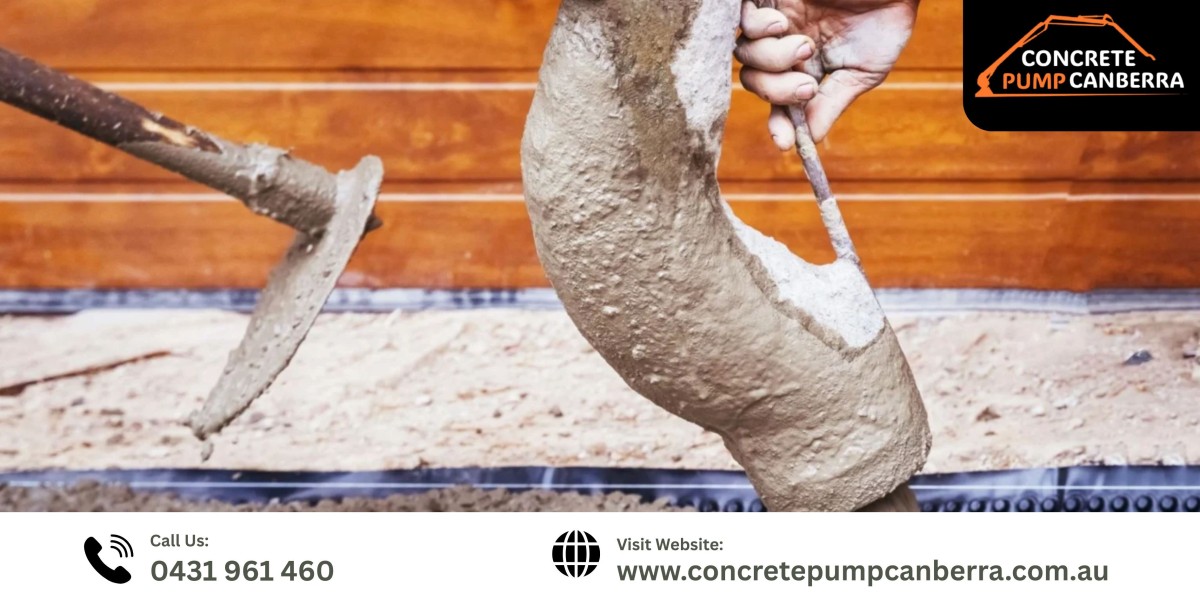


Choosing the right concrete placement method is an important part of any construction project. Whether you are building a residential driveway, laying a concrete slab, constructing a commercial property or working on a civil project, delivering concrete to the required location efficiently can make a significant difference. This is where concrete pump hire can help.
Concrete pumping allows wet concrete to be transported through pipes or hoses directly to the placement area. It can be particularly useful for projects with difficult access, large pours or locations where moving concrete manually would be challenging.
In this guide, we explain how concrete pumping works, its main benefits, the types of projects that can benefit from it and what to consider before hiring a concrete pumping service in Canberra.
What Is Concrete Pump Hire?
Concrete pump hire involves hiring specialised equipment and, where provided, an experienced operator to transfer wet concrete from a delivery truck to the required location on a construction site.
Instead of relying entirely on wheelbarrows or manual handling, a concrete pump moves the material through a pipeline or flexible hose. This can help contractors place concrete more efficiently and reach areas that may be difficult to access using conventional methods.
Concrete pumping is commonly used for:
Residential concrete slabs and house foundations
Driveways, pathways and outdoor areas
Commercial building projects
Civil construction work
Concrete placement in restricted-access locations
Projects that require concrete to be delivered over a distance or to an elevated position
The most suitable pumping method depends on the project size, site conditions, concrete requirements and accessibility.
How Does Concrete Pumping Work?
Understanding the concrete pumping process can help you prepare your construction site and coordinate work more effectively.
1. Assessing the Construction Site
Before pumping begins, the site needs to be assessed for access, ground conditions, equipment positioning and the distance between the concrete delivery point and the placement area.
This assessment helps determine the appropriate pumping equipment and identify potential site restrictions.
2. Selecting the Right Concrete Pump
Different projects require different pumping arrangements. The choice depends on the volume of concrete, the required reach, the site layout and the type of structure being constructed.
A suitable pump helps ensure that concrete can be delivered to the intended area safely and efficiently.
3. Preparing the Equipment and Placement Area
The pump, pipeline or hose must be positioned and prepared before concrete placement begins. The construction team should also ensure that formwork, reinforcement and the receiving area are ready.
Proper preparation helps reduce unnecessary delays during the pour.
4. Pumping and Placing the Concrete
Once everything is ready, concrete is transferred through the pumping system to the designated placement area. Workers then distribute, level and finish the concrete according to the project specifications.
Coordination between the pump operator, concrete supplier and construction crew is important throughout this stage.
5. Cleaning and Completing the Work
After pumping is complete, the equipment must be cleaned and managed according to the operator's procedures. Proper cleanup and equipment handling help maintain a safe and organised worksite.
Benefits of Professional Concrete Pump Hire
Hiring a professional concrete pumping service can offer several advantages for construction projects.
Improved Concrete Placement Efficiency
Concrete pumping can reduce the need to transport concrete manually across a site. This is especially helpful when the pour area is far from the delivery truck or when a project requires concrete to be placed in several locations.
Efficient placement can also help the construction team coordinate the pour with other site activities.
Better Access to Difficult Locations
Some construction sites have narrow entrances, limited working space, obstacles or elevated placement areas. Pumping equipment can help deliver concrete to locations that may otherwise be difficult to reach.
A site assessment is still necessary to determine whether the available equipment can safely access the required area.
Reduced Manual Handling
Moving concrete manually over long distances can require considerable labour. Pumping can reduce the amount of manual transportation needed, allowing workers to focus on placing, levelling and finishing the material.
Support for Different Project Sizes
Concrete pumping can be suitable for a range of residential, commercial and civil construction applications. The appropriate equipment and setup depend on the project's size, design and concrete volume.
Better Coordination During Concrete Pours
Working with an experienced pumping team can help coordinate concrete delivery and placement. Good communication between everyone involved is essential for keeping the work organised and addressing site requirements before pumping starts.
Types of Projects That Benefit from Concrete Pump Hire
Concrete pumping is used across many types of construction projects. Here are some common applications.
Residential Construction
Home construction often involves concrete slabs, foundations, extensions, pathways and driveways. Pumping can help deliver concrete to the required area, particularly when access around the property is restricted.
For example, a new house slab may require concrete to be placed across a prepared area that is difficult to reach directly with a delivery truck.
Driveways and Outdoor Concrete Areas
Driveways, patios, pathways and other outdoor surfaces may require concrete to be transported across a property or around existing structures.
A suitable pumping arrangement can help deliver concrete to the placement area while reducing reliance on manual transportation.
Commercial Construction
Commercial projects can involve larger concrete pours, foundations, structural elements and other construction requirements. Concrete pumping can help move material to the required location when the project layout makes direct discharge difficult.
Planning the pump position, concrete supply and placement sequence is important for these projects.
Civil Construction
Civil construction work may involve infrastructure, foundations, access areas and other applications that require carefully planned concrete placement.
The equipment and pumping method should be selected according to the site conditions, project specifications and safety requirements.
Tight-Access Construction Sites
Narrow driveways, limited entry points, nearby buildings and other obstacles can make concrete placement challenging.
Concrete pumping may offer a practical solution for these situations, provided the pump and delivery system can reach the intended area safely.
How to Choose Reliable Concrete Contractors in Canberra?
Finding the right team is an important part of planning your concrete project. When comparing concrete contractors Canberra, consider the following factors.
Experience with Similar Projects
Look for a contractor or pumping service that understands the requirements of your type of project. A residential driveway, a large commercial slab and a restricted-access foundation may require different equipment and planning.
Ask about experience with similar site conditions and concrete placement requirements.
Appropriate Equipment
The equipment should suit the project's access limitations, required reach and expected concrete volume. Discuss your site layout and placement area before making a booking.
Clear Communication
A professional service should be able to discuss access requirements, scheduling, equipment positioning and preparation before the pour.
Clear communication helps the concrete supplier, pump operator and construction crew work together more effectively.
Safety and Site Preparation
Concrete pumping requires appropriate equipment setup and safe operating procedures. Confirm that the team understands the site conditions and relevant safety requirements.
The work area should be prepared before the equipment arrives, including suitable access and a ready-to-pour placement area.
Transparent Pricing
Ask for a clear quote that explains what is included in the service. Depending on the provider and project, charges may vary according to equipment, operating time, travel, setup requirements and other conditions.
Comparing quotes on a like-for-like basis can help you understand the expected costs.
What Affects the Cost of Concrete Pump Hire?
The cost of concrete pump hire varies depending on the requirements of each project. Several factors can influence the final price.
Project size: The volume of concrete and the duration of pumping can affect the service required.
Site accessibility: Restricted access or challenging site conditions may require additional planning or specialised equipment.
Pumping distance and reach: The distance between the pump and the placement area can influence equipment selection.
Equipment type: Different pumps and setups may have different hire rates.
Booking duration: Minimum hire periods, waiting time and additional operating time may affect the total cost.
Location and travel: Travel distance and site location can influence the overall quote.
Additional requirements: Site preparation, scheduling and other project-specific needs may affect the service arrangement.
For an accurate estimate, provide the pumping company with details about your location, project type, expected concrete volume, site access and preferred date.
How to Prepare Your Site Before Concrete Pumping?
Good preparation can help the pumping process run more smoothly.
Confirm Site Access
Ensure the access route is suitable for the required equipment. Inform the provider about narrow entrances, overhead obstructions, slopes, restricted areas or other potential challenges.
Prepare the Pour Area
Make sure the formwork, reinforcement and placement area are ready according to the project plans. Confirm that the construction crew is available when the concrete arrives.
Coordinate Concrete Delivery
Arrange the concrete supply and pumping schedule in advance. The delivery timing should align with the project's placement requirements and the pumping team's availability.
Discuss Equipment Positioning
Identify a suitable location for the pump and confirm the required hose or pipeline route. Equipment positioning should account for ground conditions, nearby structures and site safety.
Confirm the Booking Details
Before the scheduled date, confirm the arrival time, access instructions, expected pumping duration and any preparation requirements with your provider.
Why Choose Canberra Concrete Pump?
Canberra Concrete Pump provides concrete pump hire services for residential, commercial and civil construction projects across Canberra and surrounding areas.
The company supports concrete placement for applications such as slabs, driveways, foundations and tight-access sites. Its Site Cut to Pour solutions can also help support different stages of a construction project.
Whether you are planning a residential build or organising concrete placement for a commercial site, discussing your requirements in advance can help identify a suitable approach for your project.
To learn more about the available services or discuss your construction requirements, visit the official website:
Contact the team to discuss your site access, concrete placement needs and project schedule.
Frequently Asked Questions About Concrete Pump Hire
1. What is concrete pump hire used for?
Concrete pump hire is used to transfer wet concrete from a delivery truck to a designated placement area. It is commonly used for slabs, driveways, foundations, commercial buildings and sites with restricted access.
2. How much does concrete pump hire cost in Canberra?
The cost depends on factors such as equipment type, pumping duration, concrete volume, travel, site access and additional requirements. Contact a local provider with your project details to request a tailored quote.
3. Is concrete pumping suitable for residential projects?
Yes. Concrete pumping can be suitable for residential projects such as house slabs, extensions, driveways, foundations and pathways. The right setup depends on the property's layout and the placement requirements.
4. Can a concrete pump reach tight-access areas?
Concrete pumps can help deliver concrete to some restricted-access areas through a suitable hose or pipeline arrangement. However, feasibility depends on the distance, required reach, site conditions and available equipment.
5. How do I choose concrete contractors in Canberra?
Compare relevant experience, equipment suitability, communication, safety practices, availability and pricing. Explain your project requirements clearly and ask for a detailed quote before booking.
6. What should I do before booking concrete pump hire?
Confirm the concrete volume, site access, placement location, preferred date and site preparation requirements. Share any access restrictions with the provider so the appropriate equipment can be considered.
7. Does concrete pump hire include an operator?
This depends on the service provider and the hire arrangement. Confirm whether an experienced operator, setup, equipment cleaning and other services are included in your quote.
8. When should I book a concrete pumping service?
It is generally best to arrange the service as early as possible once your construction schedule is becoming clear. Early booking gives you more time to coordinate equipment availability, concrete delivery and site preparation.
Conclusion
Concrete pump hire can make concrete placement more practical for residential, commercial and civil construction projects. It can help reduce manual handling, improve access to difficult locations and support better coordination during concrete pours.
Choosing the right equipment, preparing the site and communicating clearly with your pumping provider are important steps towards an organised project.
If you are planning concrete work in Canberra, Canberra Concrete Pump can help you discuss your pumping requirements and Site Cut to Pour options.






