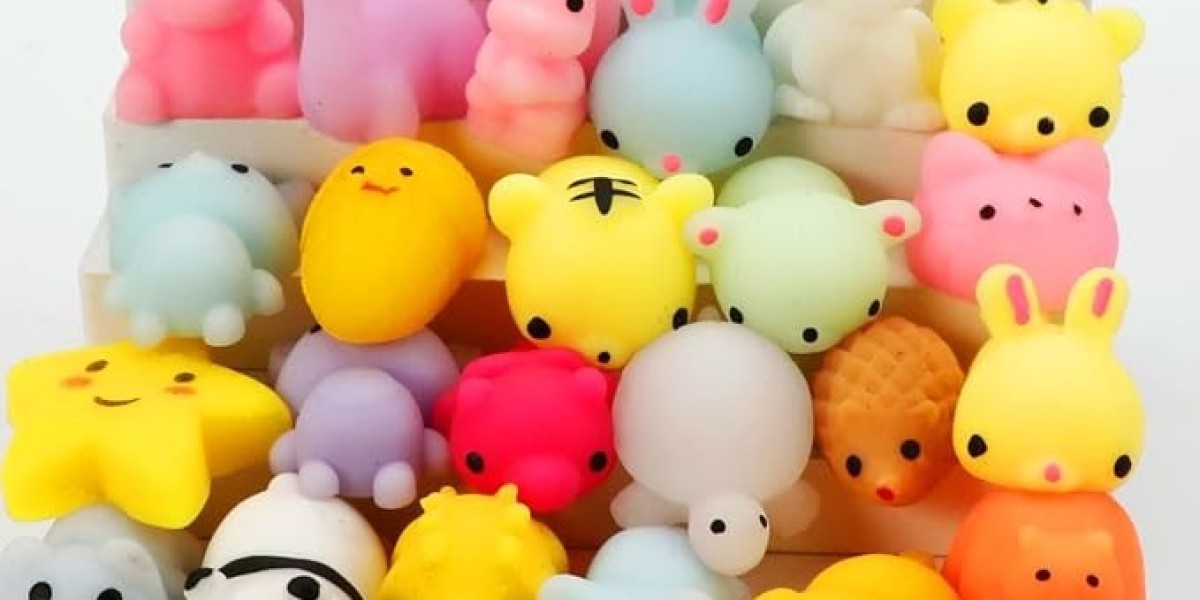


Children learn about the world through their senses. From touching soft fabrics to listening to musical sounds and exploring colorful objects, every new experience helps them understand their surroundings. This is why sensory toys for kids have become an important part of modern play, offering exciting opportunities for children to explore, learn, and develop essential life skills while having fun.
Whether parents want to encourage creativity, support emotional regulation, or introduce new learning experiences, sensory toys can make everyday play more engaging. With the right choices, these toys can transform ordinary moments into valuable opportunities for discovery, helping children build confidence and explore the world at their own pace.
What Are Sensory Toys for Kids?
Sensory toys are designed to stimulate one or more of a child's senses, including touch, sight, hearing, smell, and, in some cases, taste. They may also support movement, balance, and awareness of body position.
Examples include textured balls, colorful stacking blocks, musical toys, squishy objects, sensory mats, water-play accessories, and kinetic sand. Each offers a different experience, encouraging children to investigate textures, recognize patterns, experiment with movement, or discover cause and effect.
Unlike toys that focus primarily on following instructions or achieving a specific result, many sensory toys encourage open-ended exploration. Children can squeeze, sort, shake, build, or manipulate objects according to their interests. This flexibility makes sensory play suitable for a wide range of developmental stages and play preferences.
Why Sensory Play Matters for Child Development
Play is much more than entertainment. It provides children with opportunities to practice skills, express emotions, and make sense of new experiences. Sensory toys can support several important areas of development.
1. Supporting Fine Motor Skills
Many sensory activities involve grasping, pinching, squeezing, stacking, and transferring objects. These movements help children practice hand strength, coordination, and control.
For example, a toddler playing with large textured blocks can develop grasping skills, while an older child using modeling dough can practice rolling, pressing, and shaping. These activities may also help prepare children for everyday tasks such as holding a pencil, using utensils, and fastening clothing.
2. Encouraging Cognitive Development
Sensory toys naturally invite curiosity. When children discover that squeezing a soft toy changes its shape or shaking a container creates a sound, they begin exploring cause and effect.
Sorting objects by color, comparing textures, and building structures also encourage problem-solving and early mathematical thinking. As children experiment with different approaches, they learn to observe outcomes, recognize patterns, and adjust their actions.
3. Supporting Emotional Regulation
Some children enjoy repetitive activities, such as rolling a textured ball, pressing a soft fidget toy, or manipulating stretchy materials. These experiences may provide a calming focus during moments of frustration, restlessness, or overstimulation.
However, sensory toys do not work the same way for every child. Parents can observe which activities their children find comforting and offer them as one option among several strategies for managing emotions.
4. Inspiring Creativity and Imagination
Open-ended sensory play gives children the freedom to create their own experiences. Kinetic sand can become a miniature landscape, water can inspire floating experiments, and building blocks can transform into imaginary cities.
Because there is no single correct outcome, children can explore ideas without worrying about making mistakes. This freedom encourages imagination, experimentation, and independent decision-making.
Popular Types of Sensory Toys for Kids
Choosing suitable toys becomes easier when parents understand the different experiences they offer.
Tactile Toys
Tactile toys focus on touch and texture. Examples include textured balls, soft plush toys, silicone sensory shapes, modeling dough, and fabric books.
These toys help children explore differences between smooth, rough, soft, firm, and bumpy surfaces. They can be particularly useful for introducing new textures gradually, allowing children to participate at a comfortable pace.
Visual Sensory Toys
Visual toys use colors, patterns, movement, and light to attract attention. Colorful stacking cups, liquid motion toys, patterned blocks, and light-up toys are common examples.
They can encourage visual tracking, color recognition, and observation. Parents should choose products with comfortable lighting and avoid toys with intense flashing effects when these may overwhelm a child.
Auditory Toys
Musical instruments, sound-making blocks, gentle rattles, and simple rhythm toys introduce children to different sounds.
These activities can support listening, rhythm, imitation, and communication. Nevertheless, volume matters. Choose toys with manageable sound levels, especially for young children or those who are sensitive to noise.
Movement-Based Sensory Toys
Balance cushions, stepping stones, rocking toys, and age-appropriate climbing equipment encourage movement and body awareness.
Active sensory play can help children practice coordination and balance while releasing energy. These activities should always match the child's abilities and take place in a safe environment.
Fidget and Squeeze Toys
Fidget toys include soft squeeze balls, flexible sensory shapes, and other small objects designed for repeated manipulation.
Some children enjoy using them during quiet activities, transitions, or short breaks. However, fidget toys are not guaranteed to improve concentration, and their usefulness depends on the individual child and situation.
How to Choose the Right Sensory Toys
With so many products available, parents should focus on suitability rather than simply choosing the brightest or most popular option.
Consider the child's age. Always check the manufacturer's recommended age range, especially for toys containing small parts that could pose choking hazards.
Observe sensory preferences. Some children love messy play, while others prefer dry textures or gentle sounds. Introduce new experiences gradually and respect signs of discomfort.
Prioritize safety. Look for durable construction, appropriate materials, secure components, and clear cleaning instructions. Avoid products with accessible small magnets, button batteries, or loose parts that could be swallowed.
Choose versatile toys. Items that support several activities can provide lasting value. Blocks, dough, textured balls, and washable sensory materials can often be used in different ways as children grow.
Balance stimulation and simplicity. More sounds, lights, and textures do not necessarily make a toy better. Simple products can encourage deeper exploration without overwhelming the child.
Easy Sensory Play Activities at Home
Parents do not need an expensive collection to create meaningful sensory experiences. Everyday materials can offer plenty of opportunities for exploration when used appropriately.
A supervised water-play station with cups and floating toys can encourage pouring, measuring, and observation. A texture basket containing safe fabrics and large household objects can invite children to compare surfaces. Modeling dough can support creative construction, while a music session with age-appropriate instruments can introduce rhythm and sound.
For a nature-inspired activity, children can explore large leaves, smooth stones, or pinecones collected from a clean, safe environment. Check materials carefully, supervise young children, and avoid objects that may be sharp, toxic, or small enough to swallow.
The most important ingredient is adult involvement when needed. Asking questions such as "What does this feel like?" or "What happens if you try it differently?" can extend learning without taking control of the experience.
Sensory Toys and Children With Different Needs
Sensory toys can be useful for children with varied learning styles and sensory preferences, including some children with autism, attention difficulties, or developmental differences. Nevertheless, every child is unique, and no single toy suits everyone.
Parents should look for products that address a child's individual interests and challenges rather than assuming a diagnosis determines which toys are appropriate. A child who avoids certain textures may benefit from gentle, optional exploration, while another may prefer movement-based activities.
If sensory differences regularly interfere with dressing, eating, sleep, school participation, or everyday routines, parents may benefit from speaking with a qualified healthcare professional or occupational therapist. Professional guidance can help identify suitable activities and realistic goals.
Conclusion: Turning Everyday Play Into Lasting Learning
Sensory toys for kids offer more than colorful distractions. They create opportunities for children to explore their surroundings, strengthen practical skills, express creativity, and discover what makes them feel comfortable and engaged. When selected thoughtfully, these toys can make learning a natural part of everyday life.
Ultimately, the best sensory toy is not necessarily the most expensive, advanced, or popular. It is the one that matches a child's developmental stage, interests, and individual needs while providing a safe and enjoyable experience.
As parents, educators, and caregivers continue to recognize the importance of play, one question deserves attention: How can we create environments where every child feels encouraged to explore, experiment, and learn without pressure? By making room for curiosity and respecting individual differences, we can help children turn simple sensory experiences into meaningful steps toward confidence, independence, and lifelong discovery.






