

Email and SMS Marketing Services: How to Build Better Customer Relationships
Building strong customer relationships is essential for long-term business success. Customers are more likely to trust brands that communicate consistently, provide useful information, and understand their needs. Email and SMS marketing services help businesses maintain regular contact with their audiences, share relevant updates, and encourage meaningful engagement. By combining these channels with a customer-focused strategy, companies can improve communication, strengthen loyalty, and create better customer experiences.
Businesses looking to improve their digital communication can explore business communication solutions to connect with customers through effective messaging strategies and technology-driven services.
Why Email and SMS Marketing Matter
Email and SMS are two widely used channels for reaching customers directly. Although they serve different purposes, they can work together to support a consistent marketing strategy.
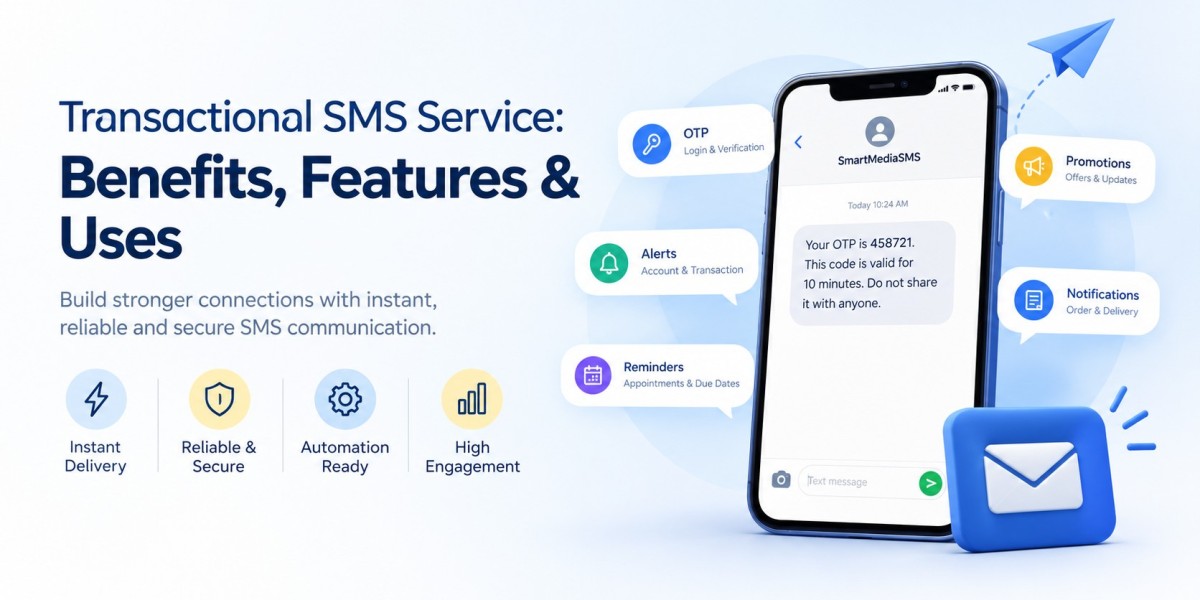
Email is suitable for detailed communication, including newsletters, product announcements, promotional offers, and educational content. SMS is useful for short, time-sensitive messages such as appointment reminders, order updates, and special offers.
When businesses use both channels strategically, they can share the right information through the most suitable medium. This helps customers stay informed without making communication feel repetitive or overwhelming.
Key Benefits of Email and SMS Marketing Services
1. Personalised Customer Communication
Customers appreciate messages that reflect their interests and preferences. Email and SMS campaigns can be tailored using relevant information, such as previous purchases, customer preferences, or engagement history.
For example, an online store can send personalised product recommendations through email and follow up with an SMS notification about an order. This approach makes communication more relevant and helps businesses build stronger connections with their customers.
2. Improved Customer Engagement
Consistent communication keeps a brand visible and gives customers useful reasons to interact with it. Email newsletters can share helpful tips, company updates, and new product information, while SMS messages can highlight limited-time offers or important reminders.
A well-planned email marketing service in Delhi can help businesses organise campaigns, segment audiences, and track engagement. Reviewing metrics such as clicks, conversions, and unsubscribes helps marketers understand customer preferences and improve future campaigns.
3. Cost-Effective Marketing Campaigns
Businesses often need marketing methods that balance affordability with measurable results. Email and SMS campaigns can reach large audiences without relying entirely on expensive traditional advertising.
Automated workflows also reduce repetitive tasks. Welcome emails, abandoned-cart reminders, booking confirmations, and follow-up messages can be scheduled according to customer actions, subject to appropriate consent and platform requirements.
However, campaign performance depends on factors such as audience quality, message relevance, timing, and the value offered to recipients.
How to Combine Email and SMS Effectively
The best results often come from using both channels as part of one coordinated communication plan.
Use Email for Detailed Information
Email provides space to explain products, introduce services, share educational resources, and communicate important announcements. Businesses can also include images, links, and clear calls to action to guide readers towards the next step.
For instance, a training institute might email a detailed course brochure to prospective students and provide additional information through a follow-up message when appropriate.
Use SMS for Timely Updates
SMS is useful when customers need short, direct information. Businesses can use it for delivery notifications, appointment reminders, payment alerts, and time-sensitive announcements.
A retail brand could send an email explaining a seasonal collection and use SMS to notify opted-in customers when a relevant sale begins. Coordinating the two channels helps maintain a consistent customer experience.
Maintain Consistent Messaging
Both channels should communicate the same brand values, offers, and service information. Avoid sending too many messages in a short period, and make sure each communication provides a clear benefit.
Businesses should also respect customer preferences by allowing people to choose suitable communication channels wherever possible.
Choosing the Right Marketing Service Provider
Selecting a suitable provider can make campaign management easier and more efficient. Before choosing a platform, businesses should consider several important factors:
Automation: Look for scheduling, audience segmentation, and automated campaign workflows.
Analytics: Choose tools that provide useful reporting on delivery, engagement, and conversions.
Integration: Check whether the platform connects with your CRM, website, or existing business systems.
Scalability: Ensure the solution can support increasing customer numbers and campaign requirements.
Compliance and security: Review data protection practices, consent management, and applicable messaging regulations.
For companies targeting local and regional audiences, a bulk SMS service provider in Gurugram may offer useful messaging capabilities for distributing customer notifications and promotional campaigns at scale.
Email and SMS Marketing for Businesses in Delhi NCR
Businesses across Delhi NCR operate in competitive markets where timely communication can influence customer decisions. Retailers can announce new arrivals, healthcare providers can send appointment reminders, educational institutions can share admission updates, and service companies can follow up on customer enquiries.
A well-planned SMS marketing service in Delhi NCR can help organisations deliver relevant messages to their intended audiences while monitoring campaign performance.
The key is to understand the audience before launching a campaign. Segment customers based on relevant interests, use clear language, and focus on solving customer problems rather than sending messages simply to increase brand visibility.
Best Practices for Building Long-Term Customer Relationships
Successful marketing is not just about reaching customers; it is about earning their trust over time.
Start by obtaining appropriate consent before sending marketing communications. Keep messages relevant, provide accurate information, and use personalisation responsibly. Avoid misleading subject lines, excessive follow-ups, or promotional claims that cannot be supported.
Measure campaign performance regularly and use customer feedback to improve your communication strategy. Make it easy for recipients to unsubscribe or opt out as required by applicable rules. Most importantly, ensure that customer service teams can respond when a campaign generates questions or enquiries.
For businesses seeking more interactive mobile communication, RCS messaging services can complement email and SMS through richer content and interactive features on supported devices and networks.
Conclusion
Email and SMS marketing services help businesses communicate more effectively, deliver relevant information, and strengthen customer relationships. Email supports detailed conversations, while SMS provides a direct channel for timely updates and reminders.
By combining both channels, choosing suitable marketing tools, and respecting customer preferences, businesses can create more consistent and engaging experiences. A thoughtful communication strategy can improve customer satisfaction, encourage repeat business, and support sustainable growth.






