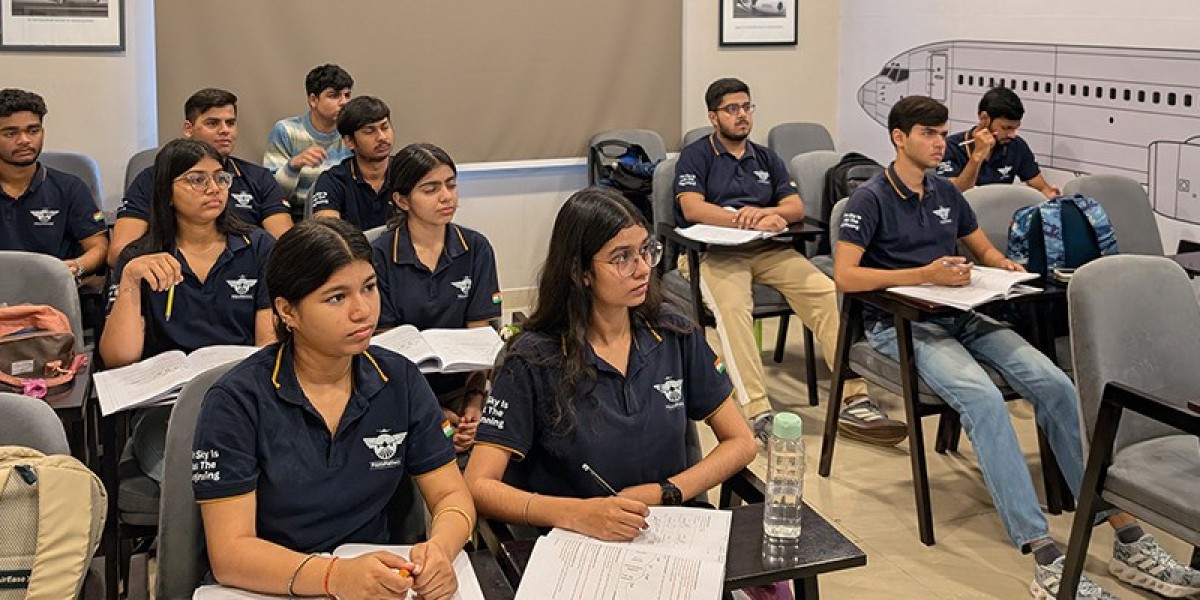


Becoming a pilot is a dream for many students who want an exciting and rewarding career. Flying an aircraft, travelling to different places, and working in the aviation industry can be an attractive career choice. However, becoming a pilot takes proper planning, hard work, practical training, and a clear understanding of the rules. Before joining a flying school, students should learn about the available courses, eligibility requirements, training duration, and total cost.
Pilot training in India offers different pathways for students who want to fly for personal reasons or build a professional career as a commercial pilot. The right course depends on your career goals, educational background, medical fitness, and budget. Students must also understand the role of the Directorate General of Civil Aviation (DGCA), which regulates pilot licensing and approves Flying Training Organisations for the required flight experience. In this guide, PilotsPathway explains the main pilot training courses, their requirements, how long they take, and what students should consider before choosing a flying school.
What Is Pilot Training in India?
Pilot training is a learning process that prepares students to operate an aircraft safely and confidently. It includes classroom lessons, practical flying, simulator sessions where applicable, examinations, and medical fitness checks. Students learn how aircraft work, how to understand weather conditions, how to communicate with air traffic control, and how to follow aviation safety procedures.
The training process depends on the type of licence a student wants to obtain. Someone who wants to fly for personal reasons may choose a Private Pilot Licence (PPL), while someone who wants to work as a professional pilot may follow the Commercial Pilot Licence (CPL) pathway. Each licence has different privileges and requirements, so students should understand the difference before applying.
In India, aspiring professional pilots generally complete the required theoretical studies, pass the relevant examinations, meet medical standards, and obtain the flight experience required under DGCA regulations. Choosing the right course at the beginning can help students plan their education, training schedule, and finances more effectively.
Types of Pilot Training Courses in India
There are several pilot training options available in India. Each course serves a different purpose, and students should select one based on their interests and long-term career plans.
1. Private Pilot Licence (PPL)
A Private Pilot Licence is suitable for people who want to learn to fly an aircraft for private purposes rather than work as a commercial pilot. The course introduces students to aircraft controls, navigation, weather, aviation rules, flight planning, and safety procedures. During practical training, students develop the basic flying skills needed to operate an aircraft within the privileges of their licence.
The time and cost required for a PPL depend on the flying school, aircraft availability, student progress, and applicable licensing requirements. A PPL does not provide the same privileges as a CPL, so students who want to build an airline career should understand the additional training and qualifications they will need.
2. Commercial Pilot Licence (CPL)
The Commercial Pilot Licence is an important qualification for students who want to pursue professional flying. CPL training includes theoretical subjects and practical flight experience. Students study air regulations, air navigation, aviation meteorology, aircraft technical subjects, and other required areas before applying their knowledge during flight training.
CPL training in India involves meeting the applicable DGCA examination, medical, flying-hour, and licensing requirements. Students must complete the required training and demonstrate the skills needed to qualify for the licence. Those who want to work for an airline may also need an Instrument Rating, a multi-engine qualification, aircraft-specific training, and other qualifications depending on the role and employer.
3. Cadet Pilot Programme
A cadet pilot programme is designed for students who want to follow a structured pathway towards an airline career. Depending on the programme, training may combine ground studies, flying lessons, selection assessments, simulator training, and later airline-specific preparation.
The admission process can include academic requirements, aptitude tests, interviews, and medical assessments. Programme fees and duration vary according to the airline and its training partners. Students should carefully read the admission conditions, payment schedule, training plan, and employment-related terms before enrolling. Joining a cadet programme does not automatically guarantee a job unless the relevant written terms clearly specify the conditions.
4. Foundation Course for Pilot Aspirants
A foundation course can help students understand aviation before starting full pilot training. It may cover basic mathematics and physics, aviation concepts, communication skills, introductory navigation, and preparation for pilot entrance assessments.
This option can be useful for students who are still exploring their career choices or need additional preparation before applying to a flying school. However, a foundation course is not a replacement for the required licence training, examinations, medical checks, and practical flying experience. Students should confirm what the course actually includes before paying the fees.
5. Flight Simulator and Airline Preparation Training
Flight simulators allow students to practise different flying situations in a controlled environment. They can help learners understand cockpit procedures, navigation, communication, and responses to selected flight situations. Simulator training may form part of an approved training programme, depending on the applicable rules and course structure.
Airline preparation training may focus on aptitude tests, technical interviews, communication, teamwork, and simulator assessments. These skills can help candidates prepare for recruitment, but the training offered and its value depend on the provider and the programme. Students should check whether a course is intended for beginners, CPL holders, or pilots who already have flying experience.
Eligibility Requirements for Pilot Training in India
Before applying for a pilot training programme, students should check the academic, age, and medical requirements for their intended licence. Meeting these requirements early can prevent delays and help families plan the next steps with greater confidence.
Educational Qualification
For the standard CPL pathway in India, applicants generally need to have passed Class 12 or an equivalent examination with Physics and Mathematics from a recognised board or university. Students who have not studied these subjects should check the accepted ways of meeting the educational requirements before applying. The DGCA also specifies the examination requirements for different flight crew licence categories.
English is important because pilots need to understand aviation instructions, communicate clearly, and study technical material. Students should therefore work on their reading, listening, speaking, and comprehension skills while preparing for pilot training.
Age Requirement
The minimum age for a Commercial Pilot Licence in India is generally 18 years at the time of application for the licence. Students may be able to begin certain preparatory activities earlier, depending on the programme and applicable rules. However, they should confirm the minimum age and other requirements for each stage before enrolling.
Medical Fitness
Medical fitness is essential for anyone who wants to become a professional pilot. Students should understand the DGCA medical requirements and complete the appropriate examinations through the authorised process. A Class 1 medical assessment is particularly important for the commercial pilot pathway.
Medical checks may include assessments of vision, hearing, general health, and other areas required under the applicable standards. Students should confirm their medical eligibility as early as possible rather than waiting until they have paid a large amount towards training.
Examinations and Practical Skills
CPL applicants must pass the relevant theoretical examinations and complete the required practical flying training. They must also meet the applicable requirements for flight experience, skill tests, and documentation. These requirements can change, so students should consult the current DGCA regulations and their chosen training organisation before making a final plan.
How Long Does Pilot Training Take in India?
The duration of pilot training depends on the course, the student's progress, aircraft availability, weather, examination schedules, and the training organisation's capacity. Students should understand that the advertised course duration is an estimate rather than a guaranteed completion date.
Course or training stage | General duration |
Foundation course | Depends on the provider |
Private Pilot Licence | Often several months to around a year or longer |
Commercial Pilot Licence | Around 18–24 months is a common planning estimate |
Cadet pilot programme | Depends on the programme; some are designed for around 24 months |
Airline preparation or type rating | Depends on the qualification and training plan |
These are general planning estimates, not official completion periods for every student or institute. Some students may finish earlier, while others may need more time because of weather, aircraft maintenance, examination results, or additional flying hours.
A published training plan should explain the expected duration of ground school, practical flying, examinations, and other required stages. Students should also ask how the institute supports learners when training is delayed. Having a realistic timeline helps students manage their finances and avoid making career plans based on an overly optimistic estimate.
Commercial Pilot Course Fees in India
The cost of pilot training is an important consideration for students and their families. Commercial pilot course fees can vary widely depending on the flying school, aircraft used, training structure, location, and services included in the programme.
As a broad planning estimate, a CPL programme in India may cost around ₹45 lakh to ₹70 lakh or more. This is an indicative range, not a fixed fee for every institute. For example, Indira Gandhi Rashtriya Uran Akademi (IGRUA) publishes a fee of ₹55 lakh for its ab-initio to CPL programme with instrument rating and multi-engine endorsement, with additional expenses for certain materials, examinations, and living costs. Students should verify the latest fee schedule directly with the institute.
The total budget may include the following expenses:
Ground school and theoretical training
Practical flight training and aircraft charges
Simulator sessions, where applicable
DGCA examinations and licence-related expenses
Medical examinations and related tests
Books, navigation equipment, and other training materials
Accommodation, food, and transport
Additional flying hours or other unexpected expenses
Before enrolling, request an itemised fee quotation and ask which expenses are included. Some institutes offer packages that cover several training stages, while others charge for certain services separately. Students should also review payment deadlines, refund conditions, and the cost of any additional flying hours. Careful financial planning can help prevent unexpected expenses during training.
How to Choose a Top Pilot Training Institute in India
Choosing the right flying school is about more than finding the lowest course fee. Students need to consider training quality, aircraft access, instructor support, safety practices, and the organisation's approval status. A good comparison should focus on the complete training experience and the total cost rather than a single advertised price.
When researching a top pilot training institute in India, start by verifying the organisation's current DGCA approval and the training it is authorised to provide. The Ministry of Civil Aviation explains that the flight experience required for a PPL or CPL must be acquired through a DGCA-approved Flying training in India Organisation. You can review official information through the Ministry of Civil Aviation and the DGCA before making a decision.
Next, ask about the number of training aircraft, instructor availability, student progress, expected flying schedule, and average time taken to complete the course. It is also useful to speak with current students or recent graduates to understand their experience. Ask whether accommodation is available, whether study materials are included, and how the school handles delays caused by weather or aircraft maintenance.
Students searching for top pilot training in India should compare several institutes using the same checklist. This makes it easier to identify a school that fits their budget, training needs, and career plans. No single institute is right for every student, so take time to check the details before making a commitment.
What Is DGCA-Approved Pilot Training?
DGCA Approved Pilot Training means training that takes place through an organisation approved by the Directorate General of Civil Aviation for the relevant purpose. DGCA approval is important because pilot licensing in India follows defined rules for training, examinations, flight experience, and medical fitness.
Before joining a school, students should verify its current approval status and confirm that the course matches their intended licence. They should also check whether the programme includes all required training stages or whether they will need to complete some stages separately.
A recognised training pathway can help students work towards the necessary qualifications, but completing a course does not automatically guarantee an airline job. Recruitment depends on the employer's requirements, the candidate's qualifications, performance, and available vacancies. Students should treat training as the first major step towards a career rather than a promise of employment.
Career Opportunities After Pilot Training
After completing the required training and obtaining the relevant licence, pilots may explore different career opportunities based on their qualifications and experience. These can include airline flying, charter operations, certain specialised flying roles, and other aviation positions for which they meet the required standards.
Students who want to become airline pilots should understand that a CPL is an important starting qualification, but it may not be the only one required. Airlines can ask for an Instrument Rating, multi-engine qualifications, aircraft-specific training, valid medical certification, and other documents or experience depending on the position.
It is also important to prepare for selection tests and interviews. Communication, decision-making, teamwork, discipline, and a strong understanding of safety are valuable qualities in aviation. Students should keep their expectations realistic and research the current recruitment requirements of the airlines or operators they hope to join.
How PilotsPathway Can Help Aspiring Pilots
Starting a pilot training journey can feel confusing when students have to compare courses, eligibility rules, fees, and flying schools. PilotsPathway helps aspiring pilots understand the available training pathways and prepare for the decisions they need to make before admission.
Students can explore options such as PPL, CPL ground training, CPL flight training, flight simulator training, airline preparation, cadet pilot courses, and foundation courses. Understanding these options can help learners decide which pathway best matches their interests, education, budget, and long-term goals.
Before choosing a programme, students should discuss their eligibility, medical requirements, expected expenses, and training schedule with a qualified adviser. They should also verify all official requirements and request the latest fee structure from the relevant training organisation. PilotsPathway can help students understand the process and prepare useful questions to ask before making a financial commitment.
Frequently Asked Questions
1. Can I become a pilot after Class 12?
Yes, students can work towards pilot training after Class 12 if they meet the relevant eligibility requirements. For the standard CPL pathway, Physics and Mathematics at the 10+2 level or an accepted equivalent are generally required, along with the applicable medical and licensing conditions.
2. How many years does it take to become a commercial pilot in India?
A CPL programme may take around 18–24 months as a general planning estimate, but the actual duration varies. Weather, aircraft availability, examinations, medical requirements, and student progress can affect the completion time.
3. What are the fees for CPL training in India?
CPL training may cost around ₹45 lakh to ₹70 lakh or more, depending on the programme and the expenses included. Students should obtain a current, itemised quotation directly from the institute.
4. Is DGCA approval important when selecting a flying school?
Yes. Students should verify the current DGCA approval status of the Flying Training Organisation and confirm that it is authorised for the training they need. This is an important step before paying admission fees.
5. Does a CPL guarantee an airline job?
No. A CPL is a professional qualification, but employment depends on airline recruitment standards, additional qualifications, assessments, performance, and available vacancies.
Conclusion
Pilot training in India gives students an opportunity to work towards a career in aviation, but the journey requires preparation, patience, and a clear financial plan. Before enrolling, understand the differences between PPL, CPL, cadet pilot programmes, and other training options. Check your educational eligibility, medical fitness, expected course duration, and the total cost of training.
When comparing flying schools, focus on DGCA approval, aircraft availability, instructor support, course structure, and transparent fees. Research several institutes and verify the latest requirements before making a decision. With the right preparation and consistent effort, you can take informed steps towards your aviation goals.
PilotsPathway aims to help aspiring pilots understand their options and prepare for the next stage of their journey. Start by learning about the courses, checking your eligibility, and building a realistic plan for your training and future career.






