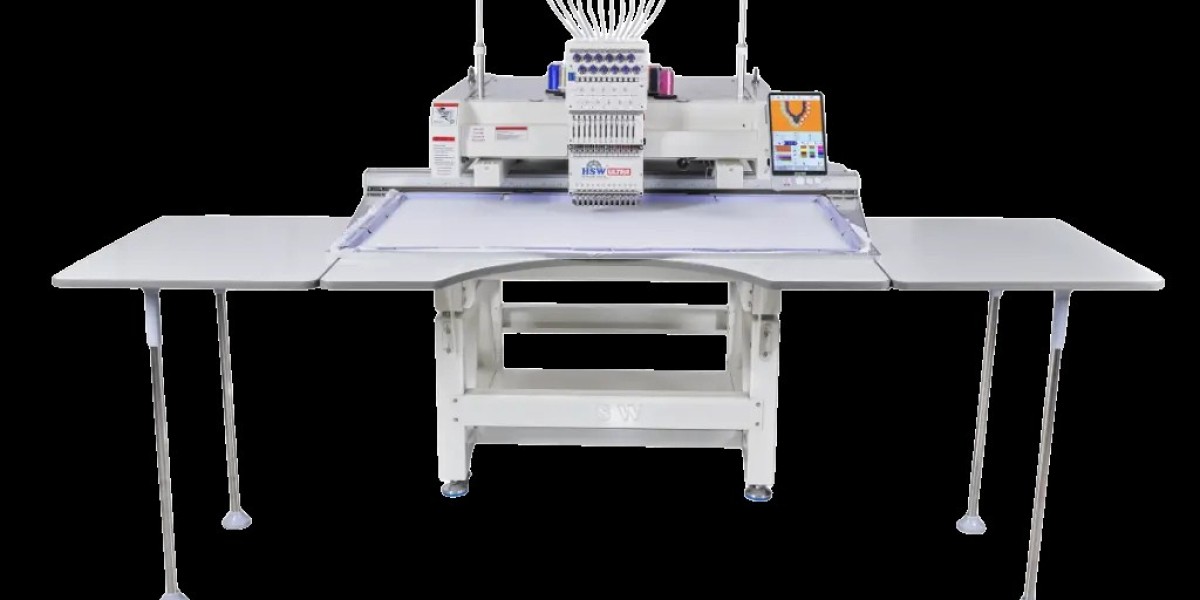


Buying an embroidery machine is only the first step; turning that investment into a sustainable business requires figuring out how to actually reach paying customers. Many new embropreneurs are skilled at the craft but unsure where to begin when it comes to marketing and sales. Here's a practical starting framework.
Start with a clear niche, not everything at once. Trying to serve every possible embroidery need garments, home decor, corporate branding, gifting all at once often dilutes marketing efforts. Beginners tend to see faster traction by starting with one or two focus areas, such as blouse and kurti embroidery for individual customers, or logo embroidery for local businesses, and expanding once that segment is generating consistent orders.
Build a simple, visual portfolio early. Embroidery is a highly visual craft, so photos and videos of your actual work matter more than lengthy descriptions. Even before securing paying clients, creating sample pieces specifically to photograph well can form the foundation of a portfolio used across social media, WhatsApp catalogs, or a simple website.
Leverage local networks first. Many successful embroidery businesses in India start by serving their immediate community local tailors, boutique owners, or individual customers through word of mouth before expanding into wider online markets. Local relationships often lead to repeat orders and referrals faster than cold online marketing, especially in the first few months.
Use WhatsApp Business as a low-cost sales channel. For many small embroidery businesses, WhatsApp Business has become a primary sales tool, sharing catalogs, taking custom order requests, and communicating pricing and timelines directly with customers. It's low-cost, familiar to most Indian customers, and well suited to the personalized nature of embroidery orders.
Social media for visibility, not just sales. Platforms like Instagram and Facebook work well for showcasing embroidery work visually and building brand recognition over time. Consistency matters more than frequency. Regularly posting finished work, behind-the-scenes production clips, or customer testimonials builds trust gradually, even if immediate sales don't follow every post.
Consider corporate and bulk order opportunities. Beyond individual customers, many embroidery businesses find steady income through corporate uniform embroidery, event merchandise, or institutional orders (schools, businesses, organizations). These orders tend to be larger and more predictable than individual retail orders, making them valuable for stabilizing monthly income.
Pricing confidently based on real costs. New embroidery business owners sometimes underprice their work out of uncertainty, which becomes unsustainable as the business grows. Calculating actual costs machine time, thread, stabilizer, digitizing, and your own time helps set pricing that's both competitive and genuinely profitable.
Reliable production is part of your marketing. Ultimately, consistent quality and on-time delivery are what turn first-time customers into repeat ones. A dependable single head embroidery machine that produces consistent results order after order becomes part of your business's reputation, not just a background tool customers notice and return when quality remains steady.
Marketing an embroidery business doesn't require a large budget to start it requires consistency, a clear niche, and genuinely good, reliable output that gives customers a reason to come back and refer others.






