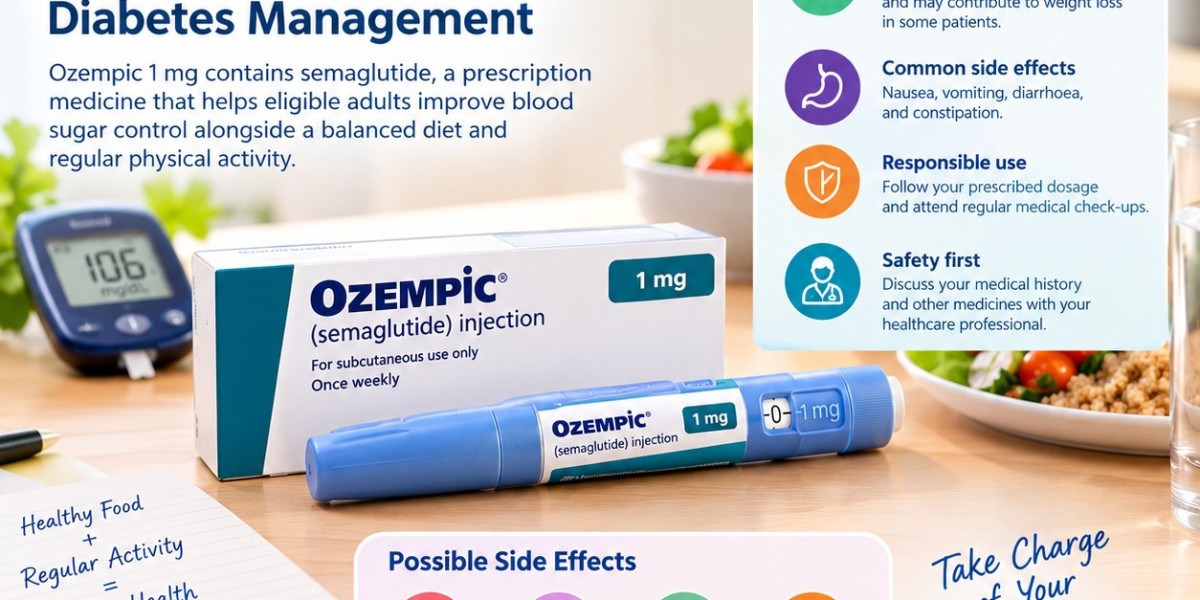


Ozempic 1 mg (semaglutide) is a prescription medicine used to help manage blood sugar levels in adults with type 2 diabetes, alongside diet and physical activity. Understanding how it works, how treatment is monitored, and which precautions matter can help patients have more informed conversations with their healthcare professionals.
What Is Ozempic 1 mg?
Ozempic contains semaglutide, a medicine belonging to a class called GLP-1 receptor agonists. It works by mimicking the action of a naturally occurring hormone involved in blood glucose regulation and appetite.
Ozempic is available in different doses, and 1 mg is one prescribed dose. The appropriate dose depends on an individual's treatment plan, response to the medicine, and tolerance. Patients should use it only as prescribed and should not increase their dose without medical advice.
How Does Ozempic 1 mg Work?
Semaglutide supports blood sugar management through several actions:
Supports insulin release: It helps the pancreas release insulin when blood glucose levels are elevated.
Reduces glucagon secretion: It can reduce the release of glucagon, a hormone that raises blood sugar.
Slows stomach emptying: It may slow the movement of food from the stomach, particularly during treatment.
Influences appetite: Some people experience reduced appetite or feel full sooner.
These effects can help improve blood glucose control when Ozempic is used as part of an appropriate diabetes management plan. Individual results vary.
What Should Patients Know About the 1 mg Dose?
Ozempic treatment usually begins at a lower dose, which is gradually adjusted when appropriate to help the body tolerate the medicine. The 1 mg dose may be prescribed when a healthcare professional determines that it is suitable for the patient's treatment goals.
Patients should not start directly at 1 mg or change their prescribed dose independently. If a dose causes troublesome side effects, a healthcare professional can advise whether the treatment plan needs to be reviewed.
Monitoring Progress During Treatment
Monitoring helps patients and healthcare professionals understand how well treatment is working and whether adjustments are needed.
Important areas to discuss include:
Blood glucose levels: Follow the monitoring schedule recommended by your healthcare professional. Your readings may help guide treatment decisions.
HbA1c: This blood test provides an overview of average blood glucose levels over approximately two to three months. Your clinician can advise when it should be checked.
Digestive symptoms: Nausea, vomiting, diarrhoea, constipation and abdominal discomfort can occur, particularly when starting treatment or increasing the dose.
Hydration and nutrition: Persistent vomiting or diarrhoea can lead to dehydration. Maintaining adequate fluid intake and discussing ongoing symptoms with a clinician are important.
Other medicines: If you also use insulin or a sulfonylurea, your risk of low blood sugar may increase. Your prescriber may need to review your treatment.
Possible Side Effects of Ozempic 1 mg
The most commonly reported side effects involve the digestive system. These may include:
Nausea
Vomiting
Diarrhoea
Constipation
Abdominal pain
Reduced appetite
Some symptoms improve as the body adjusts, but persistent or severe symptoms should be discussed with a healthcare professional.
Seek urgent medical attention for severe, persistent abdominal pain, especially if it spreads to the back, as this may indicate pancreatitis. Severe allergic reactions also require emergency care. Repeated vomiting, an inability to keep fluids down, or signs of dehydration need prompt medical assessment.
Important Precautions Before Using Ozempic
Ozempic may not be suitable for everyone. Before starting treatment, tell your healthcare professional about your medical history and all medicines you use.
Discuss the following in particular:
A history of pancreatitis or significant digestive problems.
Diabetic retinopathy or existing eye complications related to diabetes.
Kidney problems, especially if you are at risk of dehydration.
Pregnancy, plans to become pregnant, or breastfeeding.
Any history of serious allergic reactions to semaglutide or its ingredients.
Semaglutide is generally not recommended during pregnancy. People planning pregnancy should speak to their prescriber well in advance; product guidance generally recommends stopping semaglutide at least two months before a planned pregnancy. Follow the official product information and your clinician's advice.
Ozempic also carries a warning concerning thyroid C-cell tumours based on animal studies. It should not be used by people with a personal or family history of medullary thyroid carcinoma or by those with Multiple Endocrine Neoplasia syndrome type 2, according to US prescribing information. Check the applicable product leaflet and local prescribing guidance.
Using and Storing Ozempic Correctly
Ozempic is administered as a subcutaneous injection, usually once weekly, on the day and at the dose prescribed. Follow the instructions supplied with your specific pen and use a new needle as directed. Do not share injection pens, even if the needle is changed.
Storage requirements can vary by product presentation and country. Check the leaflet supplied with your pen for refrigeration, protection from heat and light, and how long the pen can be used after first use. Do not use a pen that has been stored incorrectly or whose appearance does not match the product instructions.
If you miss a dose, follow the instructions in the official leaflet or ask a pharmacist or prescriber what to do. Do not take an extra dose to make up for a missed one.
Ozempic 1 mg and Weight Management
Some people notice changes in appetite or body weight while taking semaglutide. However, Ozempic is a prescription medicine for type 2 diabetes, and it should not be used solely for weight loss without appropriate medical guidance. Eligibility for weight-management treatment depends on the medicine licensed for that purpose and the patient's individual circumstances.
A balanced diet, regular physical activity, sleep and ongoing clinical care remain important parts of long-term health management.
Learn More with Pills4Cure
Pills4Cure provides information about healthcare products to help readers make informed decisions. Anyone considering Ozempic 1 mg should consult a qualified healthcare professional to confirm whether the medicine is appropriate, understand possible risks, and receive instructions for safe use.
Always obtain prescription medicines through a legitimate, appropriately regulated pharmacy and use them only under medical supervision.
Conclusion
Ozempic 1 mg contains semaglutide, which can help adults with type 2 diabetes manage blood glucose as part of a broader treatment plan. Understanding the prescribed dose, monitoring progress, recognising possible side effects and following storage and injection instructions can support safer treatment. Individual needs differ, so regular communication with a healthcare professional is essential.
Medical disclaimer: This article is for educational purposes only and does not replace professional medical advice, diagnosis or treatment. Do not start, stop or change a prescription medicine without consulting your healthcare professional.






