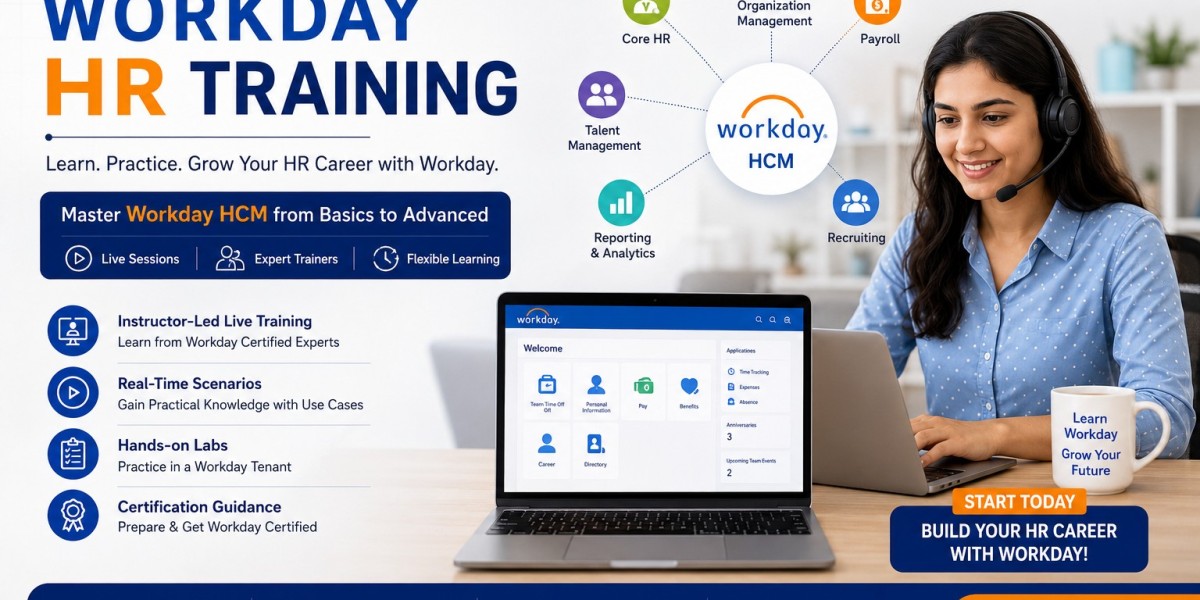


Workday HR training can introduce students to career paths that blend human resources and enterprise technology. Organisations use workday online training for employee information, recruiting, compensation, talent management, and other workforce processes. Professionals with an understanding of these functions may pursue careers in HR systems, application support, functional consulting, reporting and HR operations.
But the jobs available post training are dependent on the learner’s prior experience, practical skills, education and understanding of business processes. A course can ground you, but doesn’t instantly qualify one for every Workday-related job. Knowing what is expected from various roles can help learners choose a suitable career path.
HRIS analyst is one possible career path. HRIS is an acronym for Human Resources Information System. HRIS analysts manage HR technology, troubleshoot data issues, support users, and coordinate system-related enhancements. It may involve working with Workday or other HR platforms depending on the employer. Knowledge of employee data, business processes, reporting and HR operations would be beneficial for this role.
Workday application support is another option. Support professionals help users with system issues, understanding workflows, and identifying problems that require further investigation. They could log incidents, liaise with technical teams and assist with system testing. You can gain experience through entry-level support positions that will expose you to enterprise applications, but you may need some previous support experience or knowledge of certain Workday modules.
Learners with a background in HR operations may also be interested in HR systems coordinator or HR operations analyst positions. Such roles may involve data quality maintenance, employee lifecycle support, procedure documentation and helping HR teams use their systems effectively. If that’s the system an organization uses, familiarity with Workday can be an asset, but each employer has its own particular needs.
Workday functional consultant is anotherCareerOption especially for those professionals who gain thorough knowledge of business processes and system functionality. Functional consultants work with organisations to understand requirements and help design, implement, or improve HR processes. Their duties may include workshops, process documentation, configuration activities, testing, and user training. Many consulting jobs require implementation experience, specialised functional knowledge, or both, so they may not be immediate entry-level options.
Some learners might be interested in Workday reporting or HR data analysis. Organisations use workforce information to understand headcount, employee movement, recruitment trends, and organisational changes. Reporting roles may involve knowledge of data structures, report generation, spreadsheet analysis and business interpretation. Training on reporting concepts may be a useful starting point, but more advanced positions might necessitate substantial practical experience.
Another option for learners who are interested in talent acquisition is to support with recruitment systems. Depending on the organization and the Workday functionality it uses, experts may help manage recruiting workflows, coordinate user questions and support hiring-related processes. Similarly, compensation or talent management enthusiasts can look for roles in line with their functional areas once they get some knowledge on the platform.
Freshers have to be strategic about the job market. Instead of only applying for experienced Workday consultant jobs, they can also look for openings in HR operations, HRIS support, application support and junior analyst positions that match their current skill set. They can build their readiness by gaining a strong understanding of HR fundamentals, business process terminology, data quality and professional communication.
Experienced HR professionals may have an edge in positions needing knowledge of recruitment, employee services, compensation or workforce administration. Enterprise systems roles can be a good fit for IT professionals with existing application support, testing, or business analysis experience. The most appropriate route depends on the skills they already have.
Learners should review existing job descriptions and identify common requirements before signing up for Workday HR training. They should also ask training providers whether the course includes practical exercises, process demonstrations, interview preparation, or access to a real system. Independent verification of official certification and access arrangements should be carried out, where appropriate.
To summarise, Workday HR training can help the learners to explore various career paths like HRIS analysis, application support, HR operations, reporting, and functional consulting. The best result is to combine training with previous experience, learn practical knowledge, and apply for jobs that correspond to actual qualifications. In the end, Workday skills can be a useful addition to a professional profile, provided that learning is consistent and career planning is realistic.






