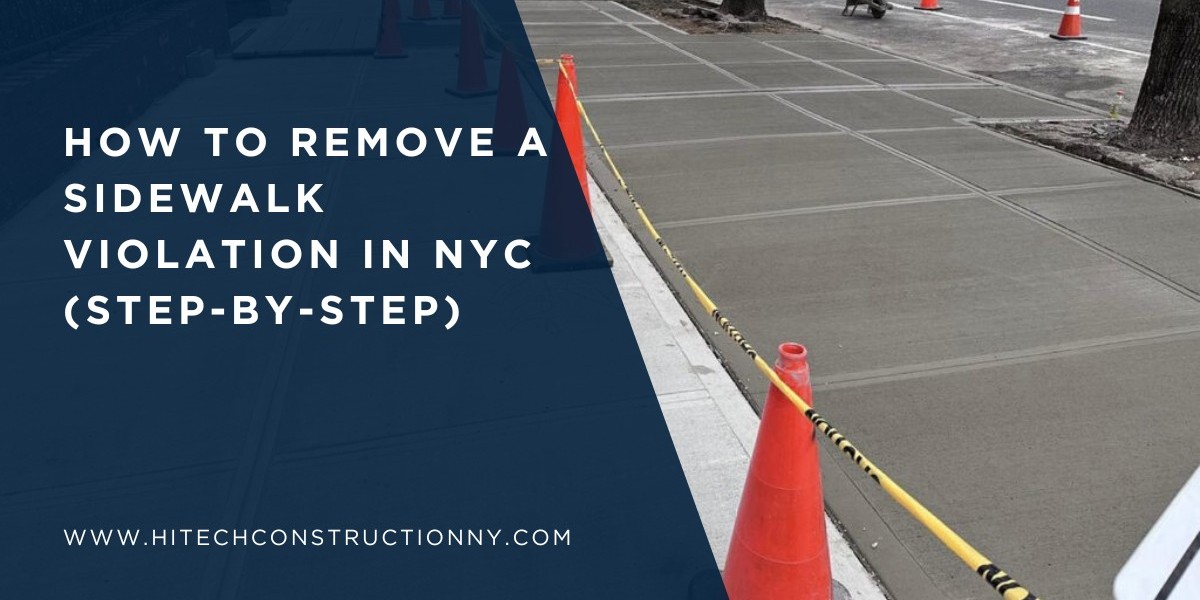


Sidewalks play an important role in maintaining safe and accessible pathways for pedestrians. Over time, exposure to changing weather, heavy foot traffic, tree roots, and ground movement can cause cracks and surface damage. These problems may appear minor at first, but they can become serious safety concerns if left untreated. Professional cracked sidewalk repair helps property owners restore damaged walkways, reduce tripping hazards, and maintain the appearance and functionality of their properties.
Whether you own a residential property, manage a commercial building, or oversee a public-facing business, understanding the causes of sidewalk damage and the available repair options can help you make informed decisions. In this article, we will explore common causes of sidewalk cracks, effective repair methods, maintenance tips, and the benefits of hiring experienced professionals.
What Causes Sidewalks to Crack?
Sidewalk cracks can develop for several reasons. Identifying the underlying cause is essential before choosing a suitable repair method.
1. Weather Changes
Temperature fluctuations can cause concrete to expand and contract. During freezing weather, water can enter small openings, freeze, and expand, placing pressure on the concrete. Repeated freeze-thaw cycles may eventually create larger cracks and surface deterioration.
2. Tree Roots
Tree roots growing beneath a sidewalk can push concrete slabs upward. This movement may produce cracks, uneven surfaces, and raised edges that create tripping hazards. In these situations, repairs should address the underlying cause rather than simply covering the visible damage.
3. Poor Installation
Incorrect concrete mixing, inadequate curing, insufficient reinforcement, or poor ground preparation can weaken a sidewalk. When the supporting soil is unstable, concrete may settle unevenly and develop cracks.
4. Heavy Loads and Ground Movement
Although sidewalks are generally designed for pedestrian use, vehicles, construction equipment, and other excessive loads can damage concrete. Soil erosion, drainage problems, and natural ground movement may also cause slabs to shift or crack.
Why Is Cracked Sidewalk Repair Important?
Repairing sidewalk damage promptly helps protect pedestrians and preserve the condition of the property. Small cracks can gradually become wider, allowing water and debris to enter the concrete. Over time, this can contribute to further deterioration and more expensive repairs.
One of the most important reasons to arrange cracked sidewalk repair is pedestrian safety. Uneven slabs, broken edges, and deteriorating surfaces may cause people to trip or fall. These hazards can be particularly concerning for older adults, children, people using wheelchairs, and individuals with limited mobility.
Timely repairs also improve the overall appearance of residential and commercial properties. Clean, even walkways create a better first impression for visitors, customers, tenants, and potential buyers.
Common Methods for Repairing a Cracked Sidewalk
The appropriate repair method depends on the size of the crack, the condition of the surrounding concrete, and the cause of the damage.
1. Concrete Crack Filling
For small, stable cracks, contractors may use a suitable concrete crack filler or sealant. This method helps limit water penetration and prevents debris from collecting inside the opening.
Crack filling is generally a practical option when the surrounding concrete remains structurally sound. However, it may not provide a lasting solution when the crack results from ongoing ground movement or a failing concrete slab.
2. Concrete Patching
Concrete patching can restore certain areas where the surface has chipped, broken, or deteriorated. Contractors remove loose material, prepare the damaged area, and apply an appropriate repair compound.
This technique may work well for localized surface damage, but deeper structural problems usually require a more comprehensive solution.
3. Slab Replacement
When a sidewalk slab has extensive cracking, significant settlement, or severe structural damage, replacement may be the most reliable option. The damaged concrete is removed, the base is inspected and prepared, and new concrete is installed.
Although replacement may involve greater upfront expense, it can provide a more durable result when the original slab cannot be repaired effectively.
4. Leveling Uneven Concrete
Sometimes, the primary problem is not the crack itself but the uneven position of the concrete slab. Depending on the condition of the sidewalk, contractors may recommend an appropriate concrete leveling method.
However, leveling is not suitable for every damaged sidewalk. A professional assessment can help determine whether lifting the slab, repairing the surface, or replacing the concrete is the better choice.
Benefits of Hiring Professional Sidewalk Contractors
While minor cosmetic damage may appear manageable, professional assessment is valuable when cracks are extensive, slabs are uneven, or the underlying soil has shifted.
Experienced contractors can identify the source of the damage and recommend a repair strategy suited to the property's needs. They also have access to appropriate equipment, concrete materials, and repair techniques that help achieve a consistent finish.
Professional cracked sidewalk repair can offer several benefits:
Improved safety: Repairing damaged and uneven surfaces helps reduce potential tripping hazards.
Long-term durability: Correct preparation and suitable materials can improve the lifespan of the repaired area.
Better appearance: Restored concrete creates a cleaner and more professional-looking walkway.
Reduced maintenance: Addressing underlying problems can help prevent recurring damage.
Efficient project completion: Skilled contractors can plan the work, manage debris, and minimize unnecessary disruption.
For commercial properties, choosing an experienced contractor may also help coordinate repairs around business hours and pedestrian access requirements.
How Much Does Sidewalk Repair Cost?
The cost of repairing a sidewalk depends on several factors, including the extent of the damage, the repair method, the size of the affected area, labor costs, material prices, and site accessibility.
Minor cracks may require only cleaning and sealing, while badly damaged slabs may need complete removal and replacement. Additional expenses can arise when contractors must address drainage issues, unstable soil, tree roots, or restricted access.
Local permit requirements and sidewalk regulations may also affect the total project cost. Property owners should request a detailed estimate that explains labor, materials, demolition, disposal, and any required permits.
Comparing estimates from qualified contractors can help you understand the available options. However, the lowest price is not always the best value if the proposed repair fails to address the cause of the damage.
Sidewalk Repair and Local Regulations
Sidewalk requirements vary by city and municipality. In some locations, property owners are responsible for maintaining the sidewalk adjoining their property. Local authorities may require repairs when a walkway becomes damaged, uneven, or unsafe.
Before starting a project, check whether permits, inspections, or specific construction standards apply. In New York City, for example, property owners should review applicable Department of Transportation sidewalk rules and requirements before arranging work.
If a sidewalk has received an official violation, property owners should confirm the required repair standards and applicable deadlines. Completing the work correctly and maintaining supporting documentation can help demonstrate compliance with relevant requirements.
Contractors familiar with local regulations can help property owners understand the repair process and avoid preventable delays.
Tips for Preventing Future Sidewalk Cracks
Although some concrete cracking is unavoidable, regular maintenance can reduce the risk of serious deterioration.
First, inspect sidewalks periodically for small cracks, loose sections, and areas where water collects. Addressing minor damage early may prevent it from developing into a more expensive problem.
Second, maintain proper drainage around the walkway. Standing water can weaken the supporting soil and contribute to concrete deterioration, especially in climates with freezing temperatures.
Third, consider tree growth when planning sidewalk installation or repairs. Appropriate landscaping and root-management strategies can reduce conflicts between trees and concrete surfaces.
Finally, make sure new concrete is installed over a properly prepared base and allowed to cure according to the material manufacturer's recommendations.
Conclusion
Sidewalk cracks can affect pedestrian safety, property appearance, and the long-term durability of concrete walkways. Understanding the cause of the damage is the first step toward selecting an effective solution, whether that involves crack sealing, patching, leveling, or complete slab replacement.
Professional cracked sidewalk repair helps property owners address visible damage while considering the underlying conditions that may cause future problems. By arranging timely inspections, maintaining proper drainage, and following local requirements, you can keep your sidewalks safer and in better condition for years to come.
If you notice a cracked sidewalk around your home or commercial property, consider having it assessed by a qualified contractor. Early action can help prevent further deterioration and make it easier to choose a practical, durable repair solution.
Frequently Asked Questions (FAQs)
1. What is the best way to repair a cracked sidewalk?
The best method depends on the severity of the damage. Small, stable cracks may be sealed, while extensive cracking, severe settlement, or structural deterioration may require slab replacement.
2. Can a cracked sidewalk be repaired without replacing the entire slab?
Yes. Minor cracks and localized surface damage can often be repaired with suitable sealants or patching materials. However, replacement may be necessary when the concrete is badly damaged or unstable.
3. How can I prevent sidewalk cracks from getting worse?
Inspect the sidewalk regularly, maintain proper drainage, seal suitable small cracks, and address soil movement or tree-root problems before they cause additional damage.
4. Is cracked sidewalk repair expensive?
Costs vary according to the size of the damaged area, the condition of the concrete, labor rates, materials, and the repair method. Obtaining multiple detailed estimates can help you compare options.
5. When should I hire a professional sidewalk contractor?
Contact a qualified contractor when cracks become wider, concrete slabs shift or sink, edges become raised, or damage creates a potential tripping hazard. Professional assessment can help determine the safest and most appropriate repair method.






