

An informative guide exploring the technical principles, structural requirements, and assembly processes of hull formwork in modern shipyards and maritime engineering.
The Fundamentals of Hull Formwork
In the complex world of maritime construction, the structural integrity of a vessel begins long before the first plate of steel is welded. One of the most critical elements in this process is hull formwork. Unlike traditional civil engineering, where forms are often used to cast concrete into rigid shapes, hull formwork refers to the complex temporary or permanent structures that support, shape, and align the curvature of a ship’s outer shell during assembly.
The Role of Geometry in Marine Design
A ship’s hull is rarely a simple geometric shape. It is a sophisticated, hydrodynamic surface designed to reduce drag and improve fuel efficiency. Achieving these exact curvatures requires highly specialized formwork. The primary purpose of this system is to maintain the precise spatial orientation of the structural frames and shell plating while they are joined. Without proper formwork, the thermal stress of welding could cause the metal to warp, leading to structural deviations that would compromise the vessel’s performance at sea.
Types of Support Systems
There are several approaches to the design and implementation of hull formwork, dictated by the size of the vessel and the method of construction (such as modular or block construction):
Adjustable Stanchion Systems: These are commonly used to support internal frames. They allow engineers to fine-tune the positioning of structural components to ensure the hull lines match the naval architect’s digital model exactly.
External Jigging: For more complex sections like the bow or stern, specialized external jigs act as a "cradle." These frames hold the shell plating in place, providing the rigid support necessary for heavy-duty welding processes.
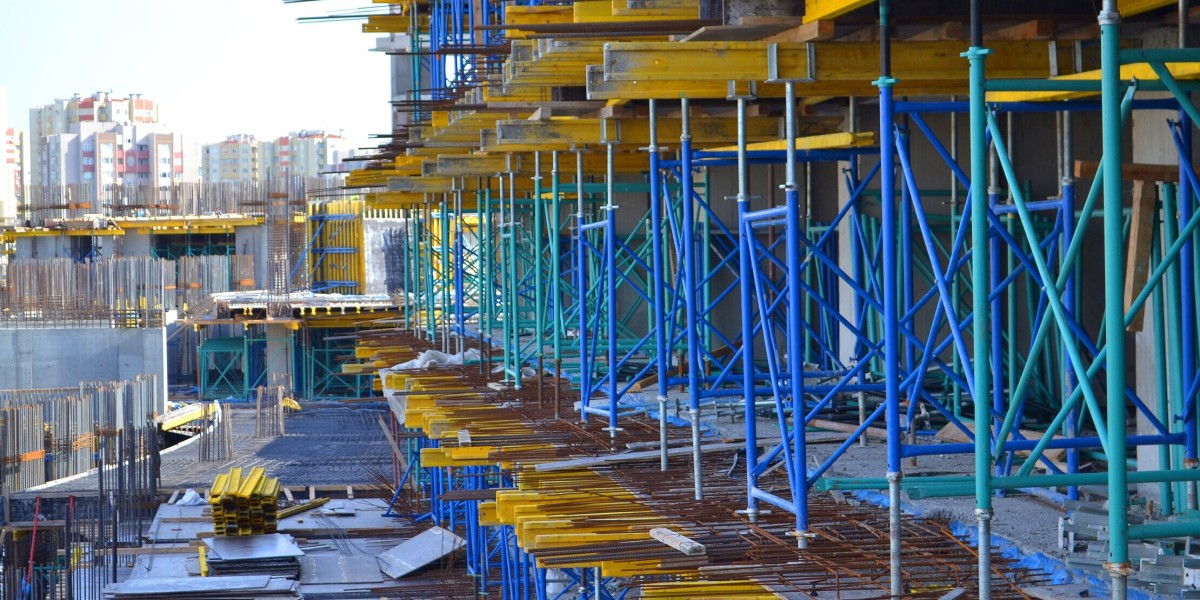
Scaffold-Integrated Formwork: In larger shipyard environments, formwork is often integrated into the scaffolding system. This allows workers to work on the outer shell while simultaneously using the framework to maintain the hull’s alignment.
The Engineering Process
The process of setting up hull formwork is a meticulous task. It begins with "lofting," where the 3D design is mapped into physical measurements. Engineers must account for the elastic nature of steel, predicting how much the material will expand or contract under the intense heat of shipyard welding. The formwork must be engineered to provide enough resistance to keep the plate in position, yet possess enough flexibility to allow for controlled thermal movement.
Precision and Safety
Modern advancements in laser scanning and computer-aided design (CAD) have transformed how formwork is utilized. By creating a temporary "virtual" skin, engineers can check for tolerance errors before any permanent bonds are made. This precision reduces the need for "fairing"—the time-consuming process of grinding and filling to fix surface irregularities.
Ultimately, hull formwork serves as the backbone of marine craftsmanship. It ensures that the theoretical beauty of a yacht or the industrial might of a cargo vessel is translated into a seaworthy reality, maintaining the structural tolerances necessary to withstand the immense pressures of the open ocean.








