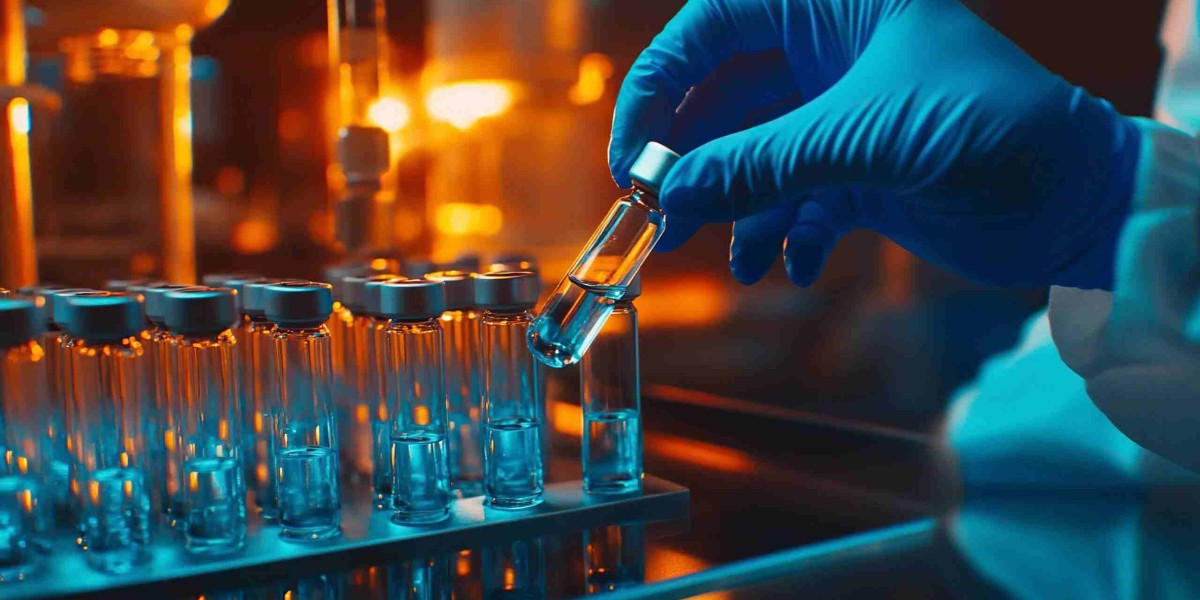


The production of injectable medicines requires specialized knowledge, suitable equipment, and careful quality management. An injection manufacturing company handles different stages of production, from preparing pharmaceutical formulations to filling and packaging finished products. These activities must follow established procedures to reduce contamination risks and maintain product consistency. For pharmaceutical businesses, understanding these processes can help when comparing manufacturers and planning the supply of injectable medicines.
Understanding the Injectable Product Range
Injectable medicines are available in different forms depending on their ingredients and intended use. Common examples include liquid injections, dry powder injections, and freeze-dried preparations. Liquid products contain medicines in a suitable solution or suspension, while certain powders require reconstitution before administration. Freeze-dried formulations are processed to remove water under controlled conditions to help improve the stability of suitable ingredients. Each form requires an appropriate production method.
Planning Before Manufacturing Starts
Good preparation helps ensure that manufacturing activities follow the product's specifications. Before production begins, the manufacturer reviews the formulation, raw materials, batch size, and packaging requirements. Materials must be checked according to approved procedures, and production equipment must be prepared for use. Clear instructions and accurate records help staff follow the correct process and maintain consistency between batches.
Equipment and Production Facilities
Injectable medicines require facilities and equipment suitable for their specific manufacturing needs. Depending on the product, production may involve mixing vessels, filtration systems, filling machines, sealing equipment, and inspection tools. Controlled environments help limit contamination risks during critical stages. Equipment qualification, cleaning, maintenance, and staff training are also important for keeping manufacturing operations under control.
Maintaining Quality During Production
Quality checks are essential because injectable medicines must meet strict product requirements. An injection manufacturing company should have effective quality management procedures and appropriate testing capabilities. Depending on the formulation, checks may cover sterility, bacterial endotoxins, particulate matter, product strength, and container closure integrity. Environmental monitoring and production records also help identify potential issues. Each batch must meet the applicable specifications and complete the required review before release.
How to Evaluate a Manufacturing Partner
Pharmaceutical businesses should review a manufacturer's production capacity, technical experience, quality systems, and ability to handle the required dosage form. Relevant manufacturing licences and regulatory compliance should be verified before an agreement is signed. Businesses should also ask about minimum order quantities, product testing, packaging choices, documentation, and delivery schedules. Comparing these details helps establish whether the manufacturer is suitable for the intended project.
Packaging and Distribution
Packaging protects injectable medicines from contamination and physical damage. Depending on the product, manufacturers may use ampoules, vials, or other appropriate containers. Packaging materials must be compatible with the formulation and meet applicable requirements. Labelling, storage conditions, and transportation arrangements should also follow the product's approved specifications to help preserve quality throughout distribution.
Benefits of Choosing an Experienced Manufacturer
Working with an experienced injection manufacturing company can help pharmaceutical businesses coordinate production, documentation, and delivery requirements. Clear communication about product specifications, testing responsibilities, and expected timelines can reduce avoidable delays. Businesses should still assess each supplier carefully to confirm that its capabilities match the product's needs.
Conclusion
Injectable medicine production depends on careful planning, suitable facilities, trained personnel, and consistent quality checks. Pharmaceutical businesses should consider technical expertise, manufacturing capacity, regulatory compliance, and packaging capabilities before choosing a supplier. Evaluating these factors helps identify a suitable partner and supports a more organized approach to injectable product manufacturing.






