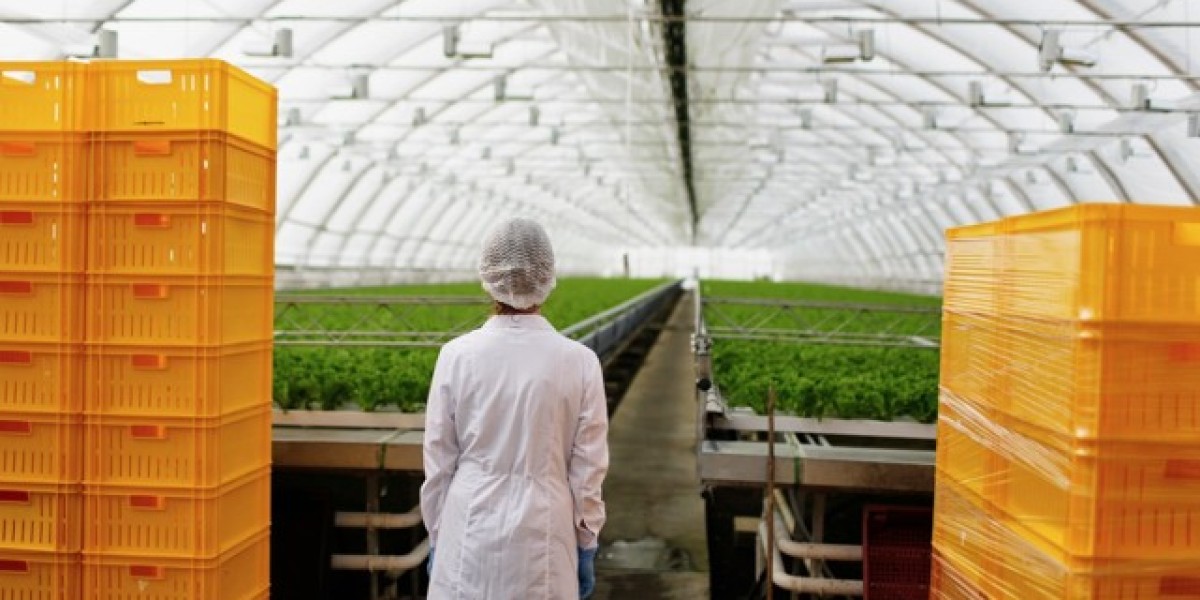


Modern food supply chains rarely stay within a single country's borders. Ingredients cross continents, products move through multiple processing stages, and a single safety failure anywhere along the chain can affect consumers in an entirely different part of the world. FSSC 22000 certification exists partly to give this global supply chain a common, internationally recognised language for food safety.
This article looks at how the certification supports confidence across complex supply chains, why buyers increasingly request it specifically, and what businesses operating within these chains should understand about maintaining it.
Why Global Supply Chains Need a Common Standard
When a food product passes through multiple businesses, from ingredient suppliers through to final packaging, before reaching a consumer, each link in the chain needs confidence that every other link is managing food safety properly. Without a shared, internationally recognised standard, this confidence would need to be established individually and repeatedly with every new supplier relationship.
Certification against a widely recognised scheme removes much of this friction, giving supply chain partners a common reference point rather than requiring bespoke evaluation of every new relationship.
How Major Buyers Use Certification in Supplier Selection
Streamlining Vendor Due Diligence
Large food companies and retailers managing hundreds of supplier relationships rely on recognised certification to streamline due diligence, focusing deeper scrutiny on higher-risk relationships rather than starting every evaluation from scratch.
Setting Baseline Expectations Across Regions
For buyers sourcing from suppliers across multiple countries, certification provides a consistent baseline expectation regardless of where a particular supplier is located, simplifying what would otherwise be a complex, region-by-region evaluation process.
What Certification Communicates to Supply Chain Partners
Holding this certification signals that a business has both the technical controls relevant to its specific category and the broader management discipline needed to sustain those controls consistently over time, rather than achieving compliance briefly before an audit and letting standards slip afterwards.
It also signals a willingness to be assessed independently on an ongoing basis, which many buyers view as a more reliable indicator than self-reported assurances alone.
Managing Certification Across Multiple Facilities
Businesses operating several production facilities, sometimes across different countries, face particular challenges maintaining consistent certification across every site. Building shared internal audit resources and consistent documentation templates across facilities helps maintain genuine consistency rather than allowing standards to drift between locations.
Regular communication between site quality teams, including sharing near misses and corrective actions, helps a lesson learned at one location prevent a similar problem at another.
How the Certification Process Works for Supply Chain-Focused Businesses
Businesses pursuing FSSC 22000 certification specifically to support supply chain relationships should consider how their certification timeline aligns with major buyer milestones, ensuring certification evidence is current when new supply agreements are being negotiated.
Ongoing surveillance reviews continue at regular intervals, and businesses maintaining strong supply chain relationships tend to communicate certification status proactively to key partners rather than waiting to be asked.
Common Challenges Within Complex Supply Chains
A frequent challenge is maintaining consistent standards when a business relies on multiple sub-suppliers or contract manufacturers, since the certified business's own food safety system is only as strong as the practices of the partners feeding into it.
Building supplier verification into a business's own certified system, rather than assuming upstream partners are automatically compliant, closes a gap that otherwise weakens the whole chain's credibility.
Traceability and Recall Readiness
Complex supply chains make traceability both harder and more important. Being able to identify quickly which batches contain a particular ingredient, and where those batches went, can make the difference between a contained incident and a widespread one.
Businesses should test their traceability and recall procedures periodically through mock exercises, since a process that has never been tried often reveals gaps only when it is needed for real.
Communicating Change Along the Chain
Changes in ingredients, suppliers, or processing methods can ripple through a supply chain in unexpected ways. Establishing clear channels for notifying partners about relevant changes, and asking for the same in return, helps keep every participant's hazard analysis current.
Verifying Suppliers Without Overloading Your Team
Businesses with many suppliers cannot examine each one in equal depth, so a risk-based approach makes sense. Higher-risk ingredients and suppliers with a history of problems warrant closer review, while long-standing, low-risk suppliers can be checked with lighter touch methods such as questionnaires and periodic document reviews.
Documenting the reasoning behind these decisions matters, because it shows that supplier controls are proportionate and deliberate rather than arbitrary. It also helps a business explain its approach clearly when a buyer asks how upstream risks are being managed within the framework of FSSC 22000 certification.
Preparing Your Team for Supply Chain Scrutiny
Buyers sometimes ask detailed questions about how a supplier handles specific hazards, and staff need to be able to answer confidently. Briefing the people who deal with customers, such as account managers and technical contacts, on the basics of the food safety system helps them respond accurately and consistently.
This preparation also reduces the risk of well-meaning but inaccurate answers, which can undermine confidence faster than an honest admission that a detail needs checking. A prepared team treats these conversations as an opportunity to demonstrate the strength of the system rather than a test to be endured.
Staying Ready Between Reviews
Certification works best when it shapes everyday habits rather than a flurry of activity before each review. Keeping records tidy, closing corrective actions promptly, and reviewing changes as they happen means the business is always ready to demonstrate its system. That steady readiness is a quiet strength of FSSC 22000 certification, and buyers tend to notice it.
A short monthly check of open actions, upcoming changes, and supplier updates is often enough to keep everything current without adding much workload.
Conclusion
For businesses operating within genuinely global, multi-stage food supply chains, FSSC 22000 certification provides a shared, internationally understood reference point that considerably simplifies how trust is established and maintained between supply chain partners.
Businesses serious about long-term supply chain relationships should view this certification as an ongoing commitment woven into daily operations, not a credential pursued once and then left unattended between review cycles.






