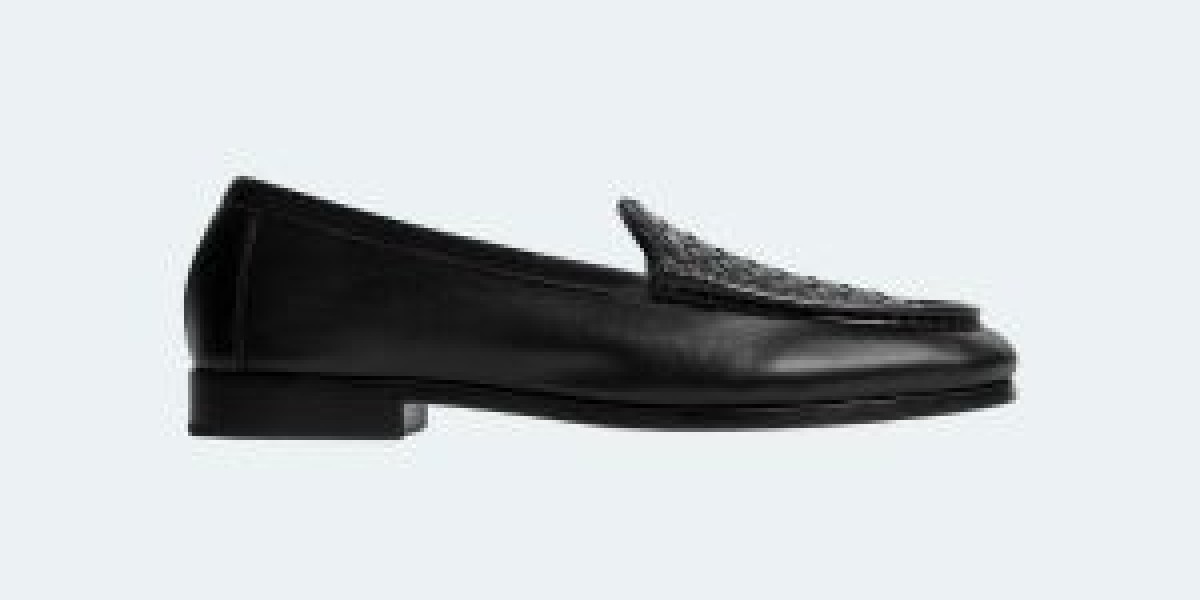


Decoding the magnetic charm of Bottega Veneta shoes requires understanding how a heritage Italian house transformed into an undisputed arbiter of global footwear style. Founded in Vicenza, Italy, in 1966, the brand built its reputation on discreet leather craftsmanship and an unwavering "no-logo" philosophy. Under modern creative direction—pioneered by Daniel Lee’s bold proportions and evolved through Matthieu Blazy’s "craft in motion" ethos—Bottega Veneta turned footwear into wearable sculpture. Examining hand-woven Intrecciato leathers, architectural silhouettes, stealth-wealth prestige, and secondary market demand reveals the exact elements driving its global obsession.
Master Intrecciato Weaving: Texture as the Ultimate Logo
At the core of Bottega Veneta's footwear bottegawear.com charm is the house’s signature Intrecciato technique. Rather than relying on overt monogram prints, metallic hardware, or heavy branding, Bottega uses hand-interlocked strips of ultra-soft lambskin and calfskin Nappa leather to signal identity. Crafting these woven mules, boots, and loafers requires master Italian artisans to manually cut, weave, and inspect every individual leather strand. This tactile, instantly recognizable texture functions as an exclusive "stealth-wealth" signature that speaks directly to discerning fashion insiders.
Radical Architectural Proportions and Trendsetting Toe Profiles
Bottega Veneta footwear commands the global fashion stage because its silhouettes continuously disrupt traditional footwear design rules. By introducing hyper-square toes, bulbous rubber profiles, and exaggerated lug platform soles, the house established new visual templates copied by retailers worldwide. Models like the Lido Mule, Tire Boot, and Puddle Boot proved that shoes can serve as dominant focal points of an outfit. Wearing Bottega shoes instantly converts a simple ensemble into a curated, runway-ready fashion statement.
Charm Decoding Matrix: Bottega Veneta Design Pillars
To understand how different elements of Bottega Veneta’s design philosophy create such powerful consumer desire, analyzing key structural pillars offers a technical breakdown.
| Design Pillar | Signature Technical Execution | Cultural & Aesthetic Impact | Secondary Market Appeal |
| Intrecciato Hand-Weave | Hand-interlocked Nappa lambskin strips | Timeless "quiet luxury"; no-logo brand signaling | Exceptionally high value retention on resale platforms |
| Sculptural Proportions | Exaggerated square toes & chunky platform soles | Sets global footwear trends; alters outfit silhouette | High demand among fashion collectors & editors |
| Molded Polymer Innovation | Biodegradable polymer rubber molding | Avant-garde waterproof street style | Strong resale demand for rare seasonal colorways |
| Retro Athletic Hybrid | Mesh, suede overlays & notched trail soles | Bridges high-fashion tailoring with casual streetwear | Continuous retail sell-outs across global boutiques |
Uncompromised Italian Tactility and Material Excellence
Beyond viral fashion aesthetics, the physical charm of Bottega Veneta footwear lies in its uncompromised material quality. Handmade in specialized Italian workshops, each shoe utilizes top-grade full-grain leathers that mold organically to the wearer's foot over time. The buttery softness of their Nappa linings, hand-painted leather edges, and precise welt stitching provide a luxury experience that synthetic, mass-produced designer shoes cannot replicate. This tactile authenticity justifies its high-fashion prestige.
The "Stealth Wealth" Power of Logo-Free Luxury
A major reason fashion enthusiasts fall in love with Bottega Veneta shoes is their alignment with the "quiet luxury" movement. In an era oversaturated with loud logo placements, Bottega’s refusal to use visible branding offers a sophisticated alternative. The charm stems from confident subtlety—the footwear relies entirely on superior proportions, artistic shapes, and material texture to communicate luxury. This allows owners to wear their shoes across multiple seasons without appearing tied to fleeting monogram trends.
High Resale Value and Secondary Market Supremacy
The charm of Bottega Veneta footwear extends beyond aesthetics into sound financial value. On luxury secondary platforms like The RealReal, Vestiaire Collective, and Grailed, well-maintained Bottega models command impressive price retention:
Timeless Leather Weaves: Classic Intrecciato mules and loafers retain 65% to 85% of their original retail value.
Statement Boots: Heavy-duty Tire and Lug Chelsea boots remain perennial favorites for fall and winter resale.
Collector Colorways: Iconic house shades—such as signature Parakeet green and deep fondant brown—fetch premium resale prices.
The True Essence of Bottega’s Charm
The charm of Bottega Veneta shoes lies in their rare ability to blend heritage Italian hand-craftsmanship with radical, forward-thinking fashion design. By choosing intricate hand-weaving over loud monograms, the house created a timeless visual language that feels both modern and deeply artistic. Whether you are drawn to their buttery Nappa leather mules, heavy lug boots, or modern runner silhouettes, investing in Bottega Veneta footwear means owning a piece of modern fashion history.
Frequently Asked Questions (FAQs)
Q1: What makes Bottega Veneta shoes so unique compared to other luxury brands?
Bottega Veneta shoes omit overt brand logos entirely. They use their signature hand-woven Intrecciato leather technique and bold architectural shapes as recognizable signatures instead of printed monograms.
Q2: Are Bottega Veneta shoes made by hand in Italy?
Yes. Authentic Bottega Veneta leather footwear is handcrafted by skilled artisans in Italy using full-grain Nappa lambskin, calfskin, and traditional shoemaking techniques.
Q3: How do I care for soft Intrecciato leather on Bottega shoes?
Clean gently with a dry microfiber cloth, apply delicate wax-free leather conditioner periodically, and store shoes in dust bags with cedar shoe trees to maintain their shape and prevent leather drying.






