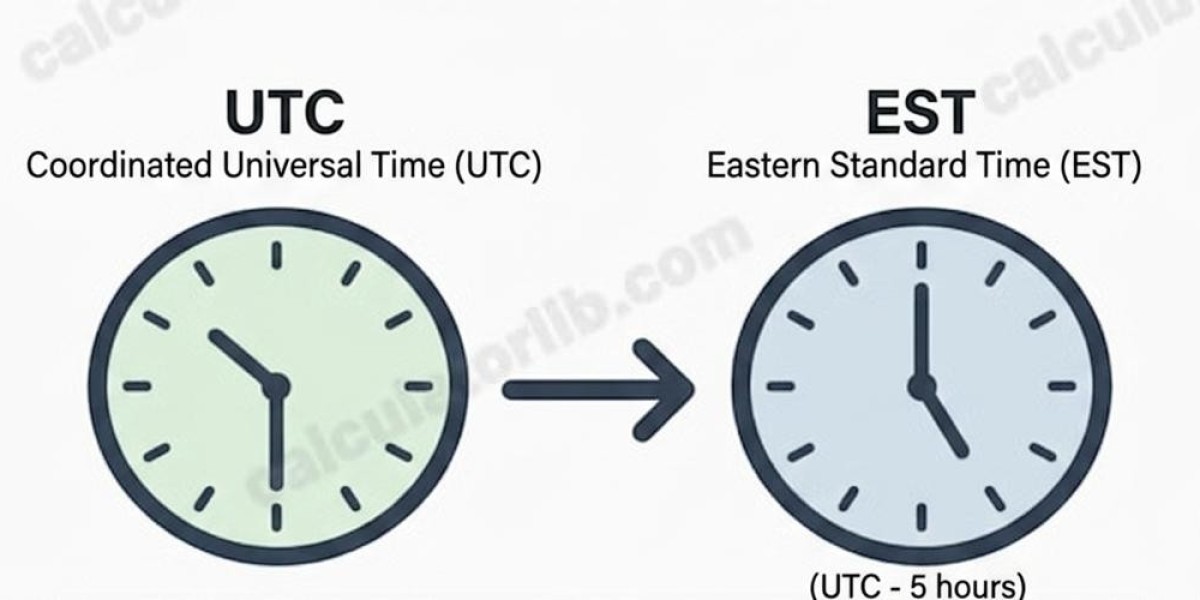


Converting UTC to EST trips up tons of folks, whether you're a developer debugging code at midnight or a business owner scheduling calls across coasts.
This guide cuts through the confusion. We'll cover everything from the basics to pro tips, so you nail that UTC to EST converter every single time. No fluff, just real talk that works.
Let's jump in.
What Exactly Are UTC and EST Anyway?
UTC stands for Coordinated Universal Time. Think of it as the world's baseline clock. It's what servers, satellites, and global systems use to stay synced. No daylight saving nonsense here – it's steady.
EST? That's Eastern Standard Time. It covers the East Coast of the US and parts of Canada. Normally, it's five hours behind UTC. So when it's noon in London (UTC), it's 7 AM in New York.
But here's where it gets tricky. During daylight saving months, EST flips to EDT – Eastern Daylight Time. That's only four hours behind. Miss that switch and your whole schedule goes sideways.
Bold truth: Most people mess this up because they treat time zones like simple math. They're not.
A Quick History Lesson (Yeah, It Matters)
Time zones didn't just appear. Back before railroads, every town ran on its own local sun time. Chaos. In 1883, US railroads standardized things into zones to avoid train wrecks – literally.
The Eastern Time Zone settled in, and DST came later for energy savings during wars. Today, DST kicks off the second Sunday in March and ends the first Sunday in November. Clocks spring forward at 2 AM and fall back.
Why care about this old stuff? Because ignoring the history leads to bad conversions. Real-world screw-ups happen when teams forget those dates.
Why Bother Getting UTC to EST Right?
Picture this. You're in tech support. A customer reports an issue at 3 PM their time. You pull the log – it's in UTC. Convert wrong and you hunt the bug at the wrong hour. Wasted time. Frustrated users.
Businesses lose big here. A 2023 survey showed time zone mix-ups cost companies hours weekly in missed meetings and errors. Programmers deal with it daily in logs and databases. Travelers book flights wrong. Even crypto traders watch UTC for market opens.
UTC to Eastern Time isn't just nice-to-know. It's a daily necessity if you work across borders or systems.
The Basic Math: Manual Conversion Without Tools
Want to do it by hand? Simple most days. Subtract 5 hours from UTC for standard EST.
Take 14:00 UTC. That's 9:00 AM EST. Easy.
During DST (March to November), subtract only 4 hours. 14:00 UTC becomes 10:00 AM EDT.
But dates matter. Check if your UTC time falls in DST period for that year. Rules can shift slightly by location too.
Pro move: Always note the date. Don't assume.
Short example: 00:00 UTC in winter = 7:00 PM previous day EST. Yeah, it crosses midnight often.
Online UTC to EST Converters That Actually Work
You don't always want manual. Good UTC to EST time converter tools save headaches.
Sites like World Time Buddy let you drag and drop times visually. See both zones side by side with color coding. Perfect for teams.
Others include Savvy Time or utctime.net. They handle DST automatically if you pick the right date.
I tested a bunch. The best ones show you the offset clearly and warn about DST. Pick one with history or shareable links for meetings.
Tip: Bookmark a reliable one. Or use your phone's world clock app – most handle convert UTC to EST now.
Handling DST Like a Pro
This is where beginners trip. EST isn't fixed.
From November to March, it's UTC-5. Rest of the year, UTC-4 for EDT.
Real story: A friend scheduled a client call using straight subtraction. Forgot DST. Showed up an hour late. Awkward.
How to check DST dates fast? Google "DST start 2026" or use a converter that bakes it in.
Some areas skip DST entirely, like parts of Arizona or Hawaii. But for core Eastern Zone? Follow the rules.
Real-World Use Cases That Hit Home
Freelancers on Upwork often get UTC deadlines. Convert wrong and you miss them.
Stock traders watch NYSE open at 9:30 AM EST. That's 14:30 UTC. Nail that for alerts.
Global teams in Slack or Zoom? Share UTC to EST calculator links in channels.
Travelers: Flight from Europe lands in NYC? Know local arrival to plan rides.
Even parents coordinating with family in different zones use it daily.
One stat I love: Remote workers report 30% fewer scheduling errors after adopting consistent converter habits. It's not magic – just better tools and awareness.
Common Pitfalls and How to Dodge Them
Assuming EST always means -5 hours. Nope.
Forgetting date changes. 23:00 UTC might be previous day in EST.
Ignoring server vs local time in apps. Logs are usually UTC. Your machine? Local.
Copy-paste errors from tools without verifying. Always double-check one example.
Bold callout: Test your conversion with a known time, like right now.
Building Your Own Simple UTC to EST Tool
Feel handy? Whip up a basic spreadsheet. Column A: UTC times. Column B: formula subtracting hours based on month.
Or a quick web page with JavaScript.
For teams, integrate into dashboards. Power BI or Excel can do custom functions for DST logic.
It doesn't need to be fancy. Functional beats perfect.
Stats and Trends in Time Conversion
People search for "UTC to EST" thousands of times monthly. Peaks around tax season, earnings calls, and back-to-school.
Why? Globalization. More remote work means more cross-zone chaos.
A quick look at trends shows programming-related searches rising fast. Devs handle timestamps constantly.
Imagine a chart: UTC times on x-axis, EST on y. Lines for standard vs DST. Visuals like that make it click instantly.
(Yeah, tools exist to generate those on the fly.)
Advanced Tips for Power Users
Use libraries that abstract everything. No more edge cases.
For logs, always store in UTC, convert on display. Best practice everywhere.
Mobile apps often have built-in converters now. Siri or Google Assistant can do "what's 15:00 UTC in New York?"
Watch for leap seconds rarely, but they exist in UTC. Rare enough not to sweat daily.
Comparing Popular Tools Side by Side
World Time Buddy: Great visuals, multiple zones.
Savvy Time: Clean tables, quick shares.
Native phone clocks: Zero extra apps needed.
Code editors with extensions: Instant for devs.
Pick based on your flow. I switch depending on device.
Why "The Right Way" Beats Quick Hacks
Quick hacks break. Proper methods scale.
You avoid missed deadlines, wrong reports, and frustrated colleagues.
It builds confidence. You own the clock instead of it owning you.
FAQ
What's the difference between UTC to EST and UTC to EDT?
EST is the winter/standard version, five hours behind. EDT is summer, four hours. Always check the season or use a smart tool.
Do I need special software for UTC to EST converter?
Nah. Free online ones work fine for most. But devs benefit from libraries in code.
How does daylight saving affect convert UTC to EST?
It shifts the offset by one hour. Spring forward means subtract less. Fall back, subtract more. Dates are predictable though.
Can my phone handle UTC time to EST automatically?
Yes. Most modern phones do it in world clock or with voice commands. Just set your local zone.
Is there a permanent fix for time zone headaches?
Store everything in UTC. Convert only when showing to users. That's the industry standard for a reason.
You've got the full playbook now. From manual math to code to tools, converting UTC to EST the right way doesn't have to suck.
Next time a timestamp stares back at you, smile. You know exactly what to do. Grab a converter, check DST, and move on with your day.








