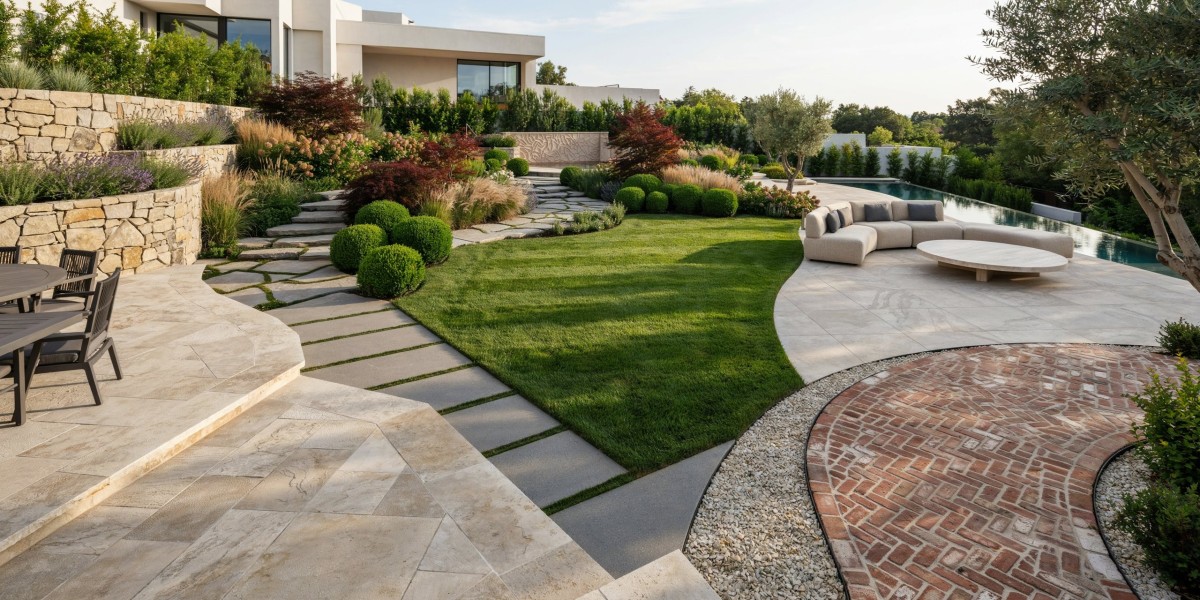


A well-designed backyard can become much more than an empty outdoor area. It can provide a relaxing place to unwind, a comfortable space for family gatherings, and a practical area for outdoor activities. Learning how to balance beauty, comfort and everyday usability helps you create an outdoor space that suits your lifestyle and makes better use of your property.
Start with a Clear Backyard Plan
Before choosing plants, furniture or paving materials, think about how you want to use your backyard. A clear plan helps you make practical decisions and avoid spending money on features that do not fit your needs.
Consider these questions before starting:
- Will you use the backyard for family gatherings or entertaining guests?
- Do you need an area for children or pets?
- Would you prefer a quiet garden, an outdoor dining space, or both?
- How much time can you spend on maintenance?
- What is your available budget?
Once you understand your priorities, divide the backyard into functional areas. For example, you could create a dining zone near the house, a seating area toward the garden, and a small open space for activities. This approach makes the yard feel organized without making it crowded.
Create Functional Zones for Different Activities
One of the most effective backyard design ideas is to give each area a clear purpose. Instead of placing everything in one open space, organize the layout around the activities you enjoy most.
Design a Comfortable Seating Area
A seating area can become the main gathering point in your backyard. Choose weather-resistant furniture that fits the available space and leave enough room for people to move around comfortably.
You can improve the area with outdoor cushions, shade umbrellas, pergolas, or subtle lighting. If you frequently entertain guests, consider arranging seating around a central feature, such as a coffee table or outdoor fireplace.
Add an Outdoor Dining Space
If you enjoy eating outside, create a dedicated dining area with a suitable table and comfortable chairs. Position it close to the kitchen or back door when possible, making it easier to carry food and drinks.
For smaller yards, foldable furniture or a compact dining set can provide functionality without taking up too much room.
Keep Open Space for Movement
A beautiful yard should not feel packed with furniture and decorations. Leave clear pathways between different zones and preserve some open space for children, pets or other activities.
A balanced layout makes the backyard easier to use and gives each feature enough room to stand out.
Choose the Right Landscaping and Hardscape Features
Plants, trees, pathways, and hard surfaces all contribute to the overall appearance and functionality of a backyard. The key is selecting features that complement one another and suit your property's conditions.
Functional backyard landscaping can include low-maintenance plants, trees for shade, garden beds, and ground cover that suits your local climate. Choose plants according to sunlight, soil conditions, available water and the amount of care you can provide.
Hard surfaces can help define outdoor areas and create stable places for walking, dining, and relaxing. For example, pavers can establish a patio, while stepping stones can connect a seating area to a garden.
For homeowners planning a more structured outdoor layout, hardscaping can introduce useful features such as patios, walkways, retaining walls and seating areas. You can explore Hardscaping services in san diego county to understand the options available for improving your outdoor space.
Select Materials That Match Your Lifestyle
The materials you choose affect the appearance, comfort, durability, and maintenance requirements of your backyard. Compare different options before making a final decision.
Common choices include:
- Concrete pavers: Suitable for patios, pathways and defined outdoor seating areas.
- Natural stone: Offers a distinctive appearance and can complement many landscape styles.
- Artificial turf: Provides a green surface with different maintenance requirements from natural grass.
- Gravel: Can work well for selected pathways, decorative areas and informal seating spaces.
- Wood or composite decking: Creates a raised or level outdoor platform, depending on the property's layout.
When choosing materials, consider the local weather, drainage, slip resistance, installation requirements and long-term upkeep. It is also important to select finishes that work well together instead of mixing too many competing colors and textures.
Plan Shade, Lighting and Privacy
Comfort is an important part of outdoor living space design. A backyard may look attractive during the day but become less practical if there is no shade, limited privacy or insufficient lighting.
Make the Space Comfortable in Different Weather
Pergolas, shade sails, umbrellas and strategically placed trees can help reduce direct sunlight. In cooler evenings, outdoor heaters or a suitable fire feature may make the space more comfortable, provided they are installed and used safely.
Choose shade solutions based on the direction of sunlight and the activities taking place in each area.
Improve Privacy Without Closing Off the Yard
Fencing, hedges, tall planters and carefully placed trees can provide privacy from neighboring properties. Combine these features with open views where possible so the backyard still feels spacious.
Use Lighting for Safety and Atmosphere
Outdoor lighting can make pathways easier to navigate and help seating areas remain usable after sunset. Consider pathway lights, wall-mounted fixtures and gentle lighting around dining or entertainment zones.
Use outdoor-rated fixtures and ensure electrical installations are suitable for exterior conditions.
Make Drainage and Maintenance Part of the Design
A practical backyard needs more than attractive features. Poor drainage, difficult access, and high-maintenance materials can create problems after installation.
Before building patios or planting garden beds, observe how rainwater moves through the property. Avoid directing runoff toward the house or neighboring land and seek professional advice if the yard has persistent waterlogging or significant slope issues.
To make maintenance easier:
- Choose plants suited to the local climate.
- Group plants with similar watering needs.
- Leave enough space to access garden beds and outdoor equipment.
- Select durable materials that match your maintenance preferences.
- Keep drainage routes and outdoor pathways clear.
For additional inspiration and project options, SD Home Turf offers outdoor improvement services that can help homeowners explore ways to make their yards more attractive and usable.
Backyard Design Mistakes to Avoid
Even a spacious backyard can become uncomfortable if the layout is not planned carefully. Avoid these common mistakes:
- Overcrowding the space: Too much furniture and too many decorative features can restrict movement.
- Ignoring the sun: A seating area exposed to intense sunlight may be uncomfortable during warmer months.
- Choosing plants without considering maintenance: Some plants require more pruning, watering, or seasonal care than homeowners expect.
- Forgetting drainage: Water collecting near patios or foundations can cause long-term issues.
- Using inconsistent materials: Too many competing styles may make the backyard feel visually disconnected.
- Planning without a budget: Prioritize essential improvements before adding optional features.
A thoughtful design focuses on the way the space will be used every day, not just how it looks in photographs.
Final Thoughts
A successful backyard combines attractive design with practical features that support your everyday lifestyle. Start with a clear plan, create dedicated activity zones, choose suitable materials, and consider shade, privacy, drainage and maintenance before beginning installation.
With thoughtful planning, you can create an outdoor area that feels welcoming, works efficiently, and remains enjoyable over time. Explore SD Home Turf to learn more about outdoor improvement options and contact the team to discuss a backyard project that fits your needs.
Frequently Asked Questions
1. What is the first step in designing a backyard?
Start by identifying your needs, budget, available space, and preferred activities. Then create a simple layout that places seating, dining, planting, and pathways where they will be most useful.
2. How can I make a small backyard look bigger?
Use a simple layout, appropriately sized furniture, clear pathways, and a limited selection of complementary materials. Vertical planting and carefully placed lighting can also make a compact yard feel more open.
3. Which features make a backyard more functional?
Patios, comfortable seating, practical pathways, shade, outdoor lighting, and suitable planting can improve everyday use. The best backyard design ideas depend on your space, lifestyle, budget, and maintenance preferences.
4. How can I reduce backyard maintenance?
Choose climate-appropriate plants, durable surfaces, and landscaping features that do not require constant attention. Planning irrigation and drainage properly can also reduce future maintenance problems.
5. Should landscaping and hardscape features be planned together?
Yes. Combining plants, lawns, patios, and walkways during the planning stage helps create a more balanced and usable outdoor space. It also makes it easier to coordinate materials, drainage, and movement between different areas.






