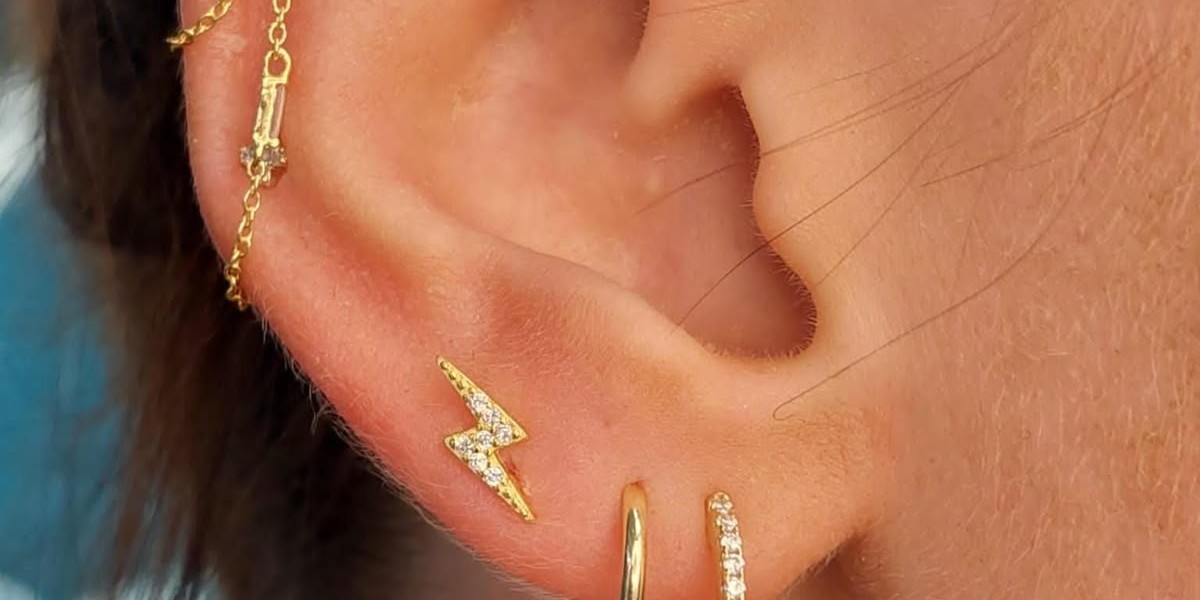


Getting an ear piercing is a personal decision that reflects your own taste and comfort. Some people choose a simple lobe piercing to mark a special occasion, while others enjoy creating a combination of different placements over time. No matter your reason, understanding where each piercing sits on the ear and how it heals can make the experience much more enjoyable.
Before booking an appointment, it's helpful to become familiar with the different areas of the ear, suitable jewelry sizes, and the healing process. Having this knowledge allows you to choose a piercing that not only looks appealing but also fits your everyday routine.
If you're comparing different placements, know more about the ear piercing chart before making your final decision.
Every Ear Has Its Own Shape
One of the biggest misconceptions is that every piercing suits every ear. In reality, ear anatomy varies from person to person. The thickness of the cartilage, the shape of the outer rim, and the size of the inner folds all influence which piercing locations are suitable.
A professional piercer will examine your ear before recommending the best placement. This personalized approach often produces a better result than copying someone else's piercing arrangement.
Many people begin by reviewing an ear piercing chart to understand where each piercing is located and how the different placements compare.
Understanding Popular Piercing Locations
The ear contains several areas that can be pierced, each offering a unique appearance and healing experience.
The lobe remains one of the most common choices because it usually heals faster than cartilage piercings. Moving upward, the helix follows the outer edge of the ear and is popular among people who enjoy wearing hoops or small studs.
Other cartilage options include the forward helix, flat, conch, rook, tragus, daith, and snug. Every location has its own characteristics, and some require more patience during the healing period than others.
Looking through an all ear piercing chart can help you compare these locations before deciding which one suits your style.
Why Jewelry Size Matters
Choosing attractive jewelry is exciting, but selecting the correct size is even more important. Jewelry that is too short can place pressure on a healing piercing, while oversized jewelry may move excessively and create irritation.
Piercers usually recommend different gauges and lengths depending on the location. Swelling during the first few weeks also affects which jewelry size is appropriate.
Reviewing an ear piercing size chart can help you understand the measurements commonly used for different piercings before purchasing replacement jewelry.
Building a Balanced Piercing Collection
Many people start with a single piercing and gradually add more over time. This approach allows every piercing to heal properly while giving you the opportunity to experiment with different combinations.
Some prefer a clean arrangement with multiple lobe piercings, while others combine cartilage placements to create more visual interest. The best result usually comes from selecting placements that complement the natural shape of your ear instead of filling every available space.
Browsing several ear piercing charts can provide ideas for combinations that look balanced without appearing overcrowded.
Healing Requires Patience
Healing is different for every piercing location. Lobe piercings generally recover sooner than cartilage piercings because cartilage receives less blood flow.
During healing, it's important to avoid unnecessary touching, sleep carefully to prevent pressure on the new piercing, and follow the cleaning instructions provided by your piercer. Rushing to change jewelry before the piercing has fully recovered may delay healing.
Giving your piercing enough time to settle is one of the simplest ways to enjoy long-lasting results.
Comparing Different Piercing Styles
Every piercing creates a different visual effect. Some people prefer minimal arrangements, while others enjoy combining several placements to create a layered appearance.
Before deciding, it's helpful to compare a types of ear piercing chart to understand how each placement differs. Seeing the full layout makes it easier to imagine how individual piercings may look together.
Whether you choose one piercing or several, planning ahead often leads to a more satisfying result.
Finding the Right Combination
There is no single arrangement that works for everyone. Ear shape, daily activities, and jewelry preferences all influence which piercings are practical.
Someone who regularly wears headphones may avoid certain cartilage placements, while another person may prioritize symmetry across both ears. Personal comfort should always be considered alongside appearance.
An ear chart for piercings offers a helpful overview of available placements, making conversations with a professional piercer much easier.
Learning Before You Commit
Taking time to research before getting pierced can prevent disappointment later. Understanding healing times, jewelry sizes, and placement options gives you realistic expectations throughout the process.
Many experienced piercing enthusiasts recommend reviewing an all ear piercings chart before scheduling an appointment because it provides a clear picture of how each location fits within the overall ear.
Educational resources from Antiquecut are often explored by people who want to learn more before choosing their next piercing. With a little preparation and proper aftercare, you can enjoy a piercing that feels right from the very beginning.
Final Thoughts
A new ear piercing is something you'll wear every day, so it's worth making an informed decision. Understanding placement options, jewelry sizing, and the healing process can help you choose a piercing that fits both your lifestyle and your personal preference.
Researching beforehand also makes conversations with your piercer more productive, allowing you to ask better questions and understand the recommendations you receive.








