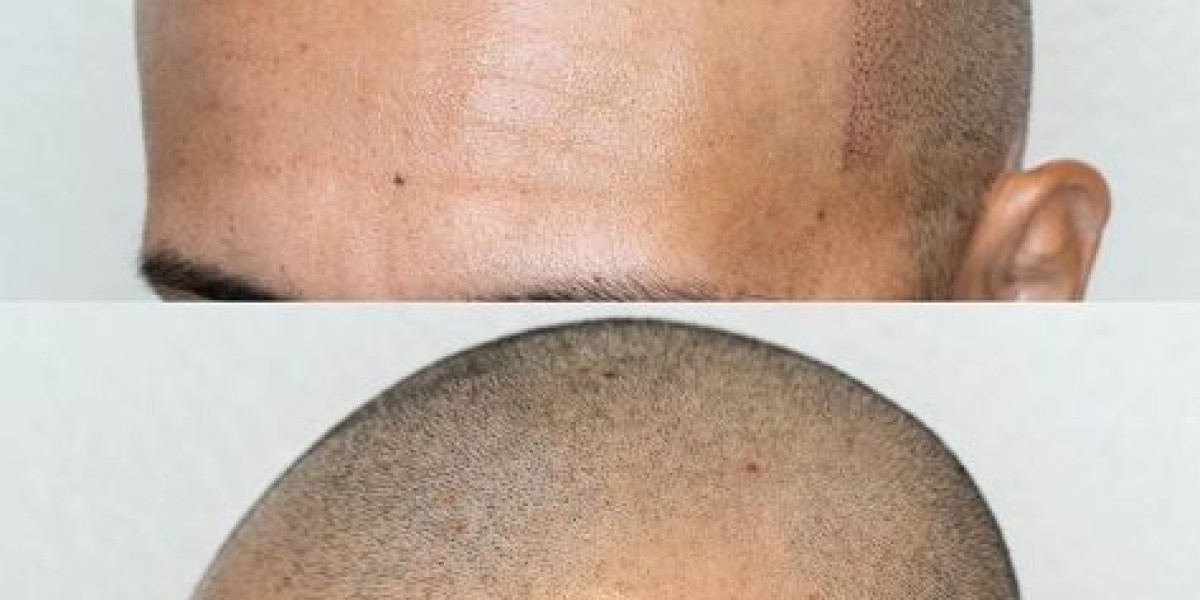


Hair transplant procedures can help restore the appearance of hair, but some people are left with visible scars after surgery. These marks may be noticeable when the hair is cut short or the scalp is exposed. Fortunately, cosmetic treatments can help improve the appearance of certain scars. Scalp Micropigmentation in Islamabad is one option people may consider to make hair transplant scars less noticeable by creating the appearance of tiny hair follicles around the affected area.
Scalp micropigmentation (SMP) involves applying specialized pigments to the scalp using fine needles. When performed by a trained practitioner, it can blend the scarred area with the surrounding scalp and create a more consistent appearance. However, results depend on the scar's size, colour, texture, and location.
Understanding Hair Transplant Scars
Hair transplant scars can develop after different surgical techniques. Follicular Unit Transplantation (FUT) typically leaves a linear scar where a strip of scalp tissue is removed. Follicular Unit Extraction (FUE) usually produces multiple small, dot-like scars at the donor site.
The visibility of these scars varies from person to person. Factors such as skin type, healing ability, surgical technique, and hair length can influence their appearance. Some scars remain difficult to notice beneath longer hair, while others become more apparent with short hairstyles or shaved heads.
Understanding the type of scar is an important first step when exploring cosmetic camouflage options.
How Scalp Micropigmentation Works
Scalp micropigmentation uses small pigment deposits to imitate the appearance of hair follicles. The practitioner carefully places these impressions across selected areas of the scalp to create a balanced, natural-looking effect.
When treating a transplant scar, the goal is to reduce the contrast between the scar and the surrounding skin. Pigment may be placed within or around suitable scar tissue, depending on its condition and the treatment plan.
Scalp Micropigmentation in Islamabad may be an option for people who want to camouflage visible FUE dots or certain linear FUT scars. However, scar tissue can respond differently from normal scalp skin, so the pigment may not settle evenly. A consultation is essential to determine whether the technique is appropriate.
Benefits of Scalp Micropigmentation for Scar Camouflage
One potential benefit of SMP is that it can reduce the visual contrast of scars without requiring another hair transplant. It may help people feel more comfortable wearing shorter hairstyles or exposing the donor area.
Other potential benefits include:
A more uniform scalp appearance: Carefully placed pigment can help blend selected scars with nearby skin.
A non-surgical cosmetic option: SMP does not require the removal or transplantation of hair follicles.
Personalized treatment planning: Pigment placement can be adapted to the scar's shape, size, and surrounding hair pattern.
Potentially lasting results: Pigments can remain visible for years, although fading and colour changes may occur.
The degree of improvement varies. SMP does not remove scar tissue, restore hair growth within a scar, or guarantee that the scar will become invisible.
What Happens During the Treatment?
Treatment usually begins with a consultation. The practitioner examines the scalp, assesses the scar's condition, discusses expectations, and considers skin tone and surrounding hair colour. Photographs may help with treatment planning.
During the procedure, the practitioner uses specialized equipment to deposit tiny amounts of pigment into selected areas. More than one session may be necessary to build up the desired effect gradually and assess how the skin responds.
Some discomfort, redness, swelling, or sensitivity may occur. The practitioner should explain the expected recovery process and provide clear aftercare instructions. Treatment should only be performed using appropriate hygiene practices and equipment.
Who May Be Suitable for Scar Camouflage?
SMP may be suitable for adults with stable, fully healed hair transplant scars who want to reduce their visibility. Suitability depends on the scar's texture, depth, colour, and location.
Raised, uneven, or unusually sensitive scars may require additional assessment because pigment alone may not create an even result. People with a history of abnormal scarring, active scalp conditions, or previous pigment reactions should discuss these factors with an appropriate healthcare professional before treatment.
It is also important to wait until the surgical area has healed completely. Anyone with a recent transplant should consult their transplant surgeon before considering a cosmetic procedure on the scalp.
Aftercare and Long-Term Maintenance
Following aftercare instructions helps protect the treated skin while it heals. Your practitioner may recommend keeping the area clean, avoiding unnecessary touching, and temporarily limiting activities that cause excessive sweating. Sun exposure and certain hair or skincare products may also need to be restricted for a period.
Once healing is complete, protecting the scalp from excessive sunlight may help maintain pigment quality. Over time, fading can occur, and a touch-up may be recommended. Follow-up appointments allow the practitioner to evaluate the colour and determine whether additional work is appropriate.
Choosing a Qualified SMP Practitioner
The practitioner's experience is particularly important when working with scar tissue. Ask to see clear before-and-after photographs of previous scar camouflage cases, including scars similar to yours. Discuss hygiene standards, pigment selection, expected limitations, pricing, and possible complications.
A responsible practitioner should explain that results vary and avoid promising complete scar removal. If a scar is painful, changing, inflamed, or unusually raised, seek medical assessment before pursuing cosmetic camouflage.
Conclusion
Scalp micropigmentation can help camouflage some hair transplant scars by creating the appearance of small hair follicles and reducing the contrast between the scar and surrounding scalp. However, it cannot eliminate the scar or guarantee a perfect colour match. A professional assessment can help determine whether Scalp Micropigmentation in Islamabad fits your needs and whether alternative approaches should be considered.
Frequently Asked Questions
1. Can Scalp Micropigmentation in Islamabad completely remove hair transplant scars?
No. Scalp Micropigmentation in Islamabad can help make suitable scars less noticeable by blending their appearance with the surrounding scalp, but it does not remove scar tissue or guarantee complete concealment.
2. Is Scalp Micropigmentation in Islamabad suitable for both FUE and FUT scars?
It may help camouflage certain FUE dot scars and FUT linear scars. However, Scalp Micropigmentation in Islamabad is not suitable for every scar, so a practitioner should assess its size, texture, and healing before recommending treatment.
3. How many sessions of Scalp Micropigmentation in Islamabad are needed for scar camouflage?
The number of sessions depends on the scar's characteristics, the skin's response to pigment, and the desired result. Scalp Micropigmentation in Islamabad may require multiple appointments to build colour gradually and evaluate the outcome.
4. How long do Scalp Micropigmentation in Islamabad results last?
Results can last for several years, but pigment may gradually fade or change in appearance. Scalp Micropigmentation in Islamabad may require occasional touch-ups, depending on skin characteristics, sun exposure, and the original treatment.
For more information visit
Enfield royal clinic in islamabad







