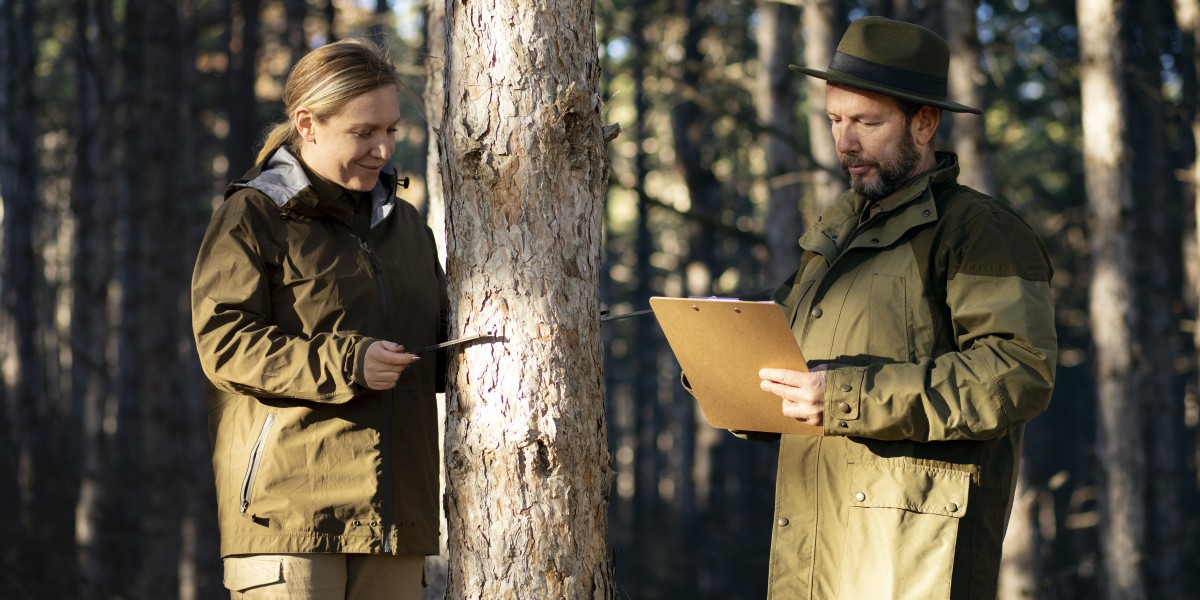


Discover how professional Vermont timber management services help landowners balance ecological health, forest productivity, and long-term conservation for future generations.
The Importance of Forestry Stewardship
Vermont’s landscape is defined by its sprawling, lush forests. From the Green Mountains to the rolling hills of the Northeast Kingdom, these woodlands are more than just scenery; they are vital ecosystems that support biodiversity, protect water quality, and provide essential resources. For private landowners, maintaining these forests is a significant responsibility. This is where professional Vermont timber management services become essential, offering the expertise required to navigate the complex balance between harvesting, conservation, and ecological resilience.
What Does Timber Management Entail?
Effective timber management is not merely about logging; it is a long-term strategy designed to improve the health and vigor of a forest. At its core, the practice involves detailed planning, inventory, and periodic intervention.
When landowners engage professional services, the process typically begins with a forest management plan. This document acts as a roadmap for the property, outlining the current state of the timber, identifying invasive species, assessing wildlife habitats, and setting clear goals. Whether the objective is to improve sugarbush yield, promote timber quality, or enhance recreational trails, a management plan ensures that every action taken on the land serves a long-term purpose.
Sustainable Harvesting Practices
A primary component of Vermont timber management services is the implementation of silviculture—the art and science of controlling the establishment, growth, composition, and quality of forest vegetation. Through techniques such as thinning, which removes weaker or crowded trees to allow sunlight and nutrients to reach stronger specimens, foresters can significantly accelerate the growth of high-quality timber.
Sustainability is the cornerstone of these practices. By focusing on selective harvesting rather than clear-cutting, managed forests can continue to produce wood products while maintaining their function as a carbon sink and a home for native wildlife. These services prioritize the preservation of the forest floor, protecting soil integrity and ensuring that the watershed remains clean and functional.
Navigating Regulations and Incentives
Managing a woodland tract in New England involves complying with complex state regulations, including the Current Use program (Use Value Appraisal). This program offers significant property tax savings for landowners who commit to keeping their forestland in production and following a management plan approved by the state.
Engaging professional timber management services provides landowners with the technical knowledge to navigate these administrative requirements. Professionals help ensure that all harvesting operations adhere to Vermont’s "Acceptable Management Practices" (AMPs) for water quality, which are designed to mitigate erosion and runoff. By staying compliant, landowners not only protect themselves legally but also contribute to the broader state goals of forest health and sustainable land stewardship.
The Long-Term Vision
Ultimately, the goal of timber management is to ensure that the forest remains resilient in the face of climate change, pests, and disease. A well-managed woodland is better equipped to withstand extreme weather events and recover from disturbances.
By utilizing Vermont timber management services, landowners act as stewards, passing on a healthier, more productive, and more diverse landscape to the next generation. Whether the forest is intended for personal legacy, habitat enhancement, or periodic economic return, the principles of professional management provide the framework necessary to ensure the land thrives for decades to come. Through careful planning and science-backed interventions, the beauty and utility of Vermont’s iconic forests are safeguarded, ensuring they remain the heart of the state’s natural heritage.








