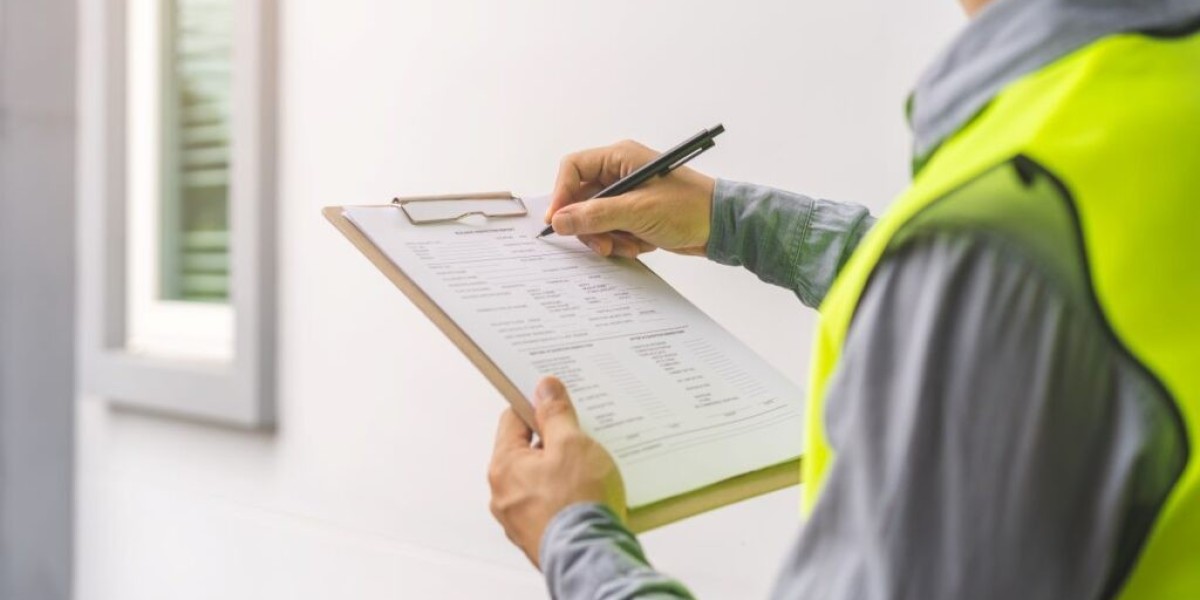


Buying, selling, or maintaining a property involves important decisions that can affect your finances and long-term plans. A building may look attractive during a viewing, but hidden damage, aging materials, or maintenance issues can create problems after a purchase. A property inspection helps identify visible concerns and gives owners, buyers, and sellers a clearer understanding of a building's current condition.
From checking roofing materials to reviewing accessible plumbing and structural components, an inspection provides useful information about the property. It can also help owners plan repairs, understand maintenance needs, and make informed decisions before investing in real estate. Knowing what an inspection includes and when to arrange one can help protect your investment.
Why Property Inspections Are Important
Every building experiences wear and tear over time. Weather exposure, moisture, regular use, and aging materials can affect its structure and major systems. Some issues are easy to notice, while others may remain hidden until they cause visible damage.
A property inspection in Port St Joe helps identify signs of deterioration, water intrusion, damaged surfaces, and other concerns that may need attention. This information allows owners to address maintenance problems before they become more expensive to repair. It can also help buyers understand the condition of a property before completing a transaction.
An inspection does not guarantee that a building is free from defects. Inspectors generally assess accessible areas within an agreed scope, and certain problems may require specialized testing. However, a clear report can reduce uncertainty and provide a useful starting point for further investigation or repair planning.
What Does a Property Inspection Cover
The inspection process depends on the building's type, age, purpose, and condition. A general assessment may include accessible interior spaces, exterior surfaces, roofing components, windows, doors, floors, walls, and ceilings. The inspector looks for visible signs of damage, deterioration, or incomplete maintenance.
Other areas may include accessible plumbing fixtures, electrical components, ventilation features, and heating or cooling equipment. Inspectors may document water stains, damaged materials, unusual movement, poor drainage, and signs of moisture intrusion. The exact checks depend on the service and the inspector's qualifications.
Some components may be concealed behind walls, beneath flooring, or inside finished ceilings. A standard inspection may not reveal defects in these locations. If a concern suggests a hidden problem, additional testing or an assessment by a qualified specialist may be necessary.
Residential Property Inspection for Homeowners
Homeowners can benefit from inspections at different stages of property ownership. Before buying a house, a buyer may want to understand the condition of the roof, foundation, visible plumbing, windows, and other important components. The findings can help the buyer plan future maintenance and decide whether further evaluation is needed.
For existing homeowners, inspections can help identify concerns before they develop into larger problems. Cracked surfaces, recurring leaks, damaged flooring, and unusual changes around doors or windows may indicate issues that deserve attention. An inspection can document these conditions and suggest where additional investigation may be useful.
Sellers may also arrange an inspection before putting a property on the market. Learning about visible defects in advance gives them time to consider repairs and prepare accurate information about the building's condition. Keeping records of completed work can also help explain the property's maintenance history.
Commercial Property Inspection Needs
Commercial buildings often have different inspection requirements from residential properties. Offices, retail spaces, warehouses, and industrial facilities may contain larger mechanical systems, specialized equipment, and areas designed for specific business activities.
A commercial inspection can help owners identify visible problems affecting the building's condition and use. Examples include roof deterioration, damaged flooring, water intrusion, drainage concerns, worn exterior materials, and issues with accessible building components. Addressing these concerns may help reduce interruptions and support long-term maintenance planning.
The inspection scope should reflect the property's use and the owner's needs. A warehouse may require attention to different features than an office or retail building. Additional evaluations may be necessary for fire protection systems, structural components, electrical installations, or specialized equipment. Required safety checks and inspections under local regulations must also be handled separately when applicable.
Common Problems Found During Inspections
Water damage is one of the most common concerns in buildings. Stains on ceilings, peeling paint, damp walls, and musty odors may indicate leaks or moisture intrusion. If the source is not addressed, moisture can damage building materials and contribute to further deterioration.
Structural warning signs may include cracks in walls or foundations, uneven floors, sagging sections, and doors that suddenly become difficult to open or close. These conditions can have several causes, and not every crack indicates a serious structural problem. Their location, size, pattern, and changes over time help determine whether a specialist should investigate further.
Inspectors may also identify damaged roofing materials, loose railings, deteriorating window frames, poor drainage, and signs of inadequate ventilation. The inspection report records visible observations so property owners can understand the concerns and decide what action may be appropriate.
When Should You Schedule an Inspection?
The most common time to arrange an inspection is before buying a property. A pre-purchase assessment helps buyers learn about visible defects and possible maintenance expenses before finalizing the transaction. If significant concerns are found, the buyer may seek specialist advice before making a decision.
Inspections are also useful when selling a property, planning major renovations, managing a rental building, or investigating signs of damage. Owners may schedule an assessment after severe weather or when recurring leaks, unusual movement, or other warning signs appear.
Older buildings and properties with a history of maintenance problems may need closer attention. The right schedule depends on the building's age, condition, use, and local requirements. If an immediate safety concern appears, restrict access to the affected area and arrange an appropriate professional assessment rather than waiting for a routine inspection.
How to Prepare for a Property Inspection
Preparation helps the inspector access important areas and observe visible conditions. Move stored items away from accessible utility spaces, provide entry to rooms included in the inspection, and clear pathways around relevant building components. Exterior areas should also be accessible where practical and safe.
Gather any available records about previous repairs, renovations, roof work, plumbing problems, and recurring maintenance issues. Sharing this information can help the inspector understand the property's history and recognize areas that may need closer attention.
Before the appointment, confirm the inspection scope and ask which areas or systems are excluded. If you have concerns about a specific component, mention them beforehand. You should also ask whether the final report will include photographs, descriptions of findings, and recommendations for further evaluation.
Understanding the Inspection Report
After the assessment, the report provides a record of the conditions observed during the inspection. Depending on the service, it may include photographs, notes about visible defects, descriptions of maintenance concerns, and recommendations for additional evaluation.
Not every finding requires the same response. Some issues may involve routine upkeep, while others may need prompt repairs or specialist attention. Reviewing the report carefully helps owners understand the difference and decide which concerns should be addressed first.
If the report identifies a possible structural defect, electrical hazard, or significant moisture problem, a qualified specialist may need to investigate further. Property owners should ask questions when a finding is unclear and obtain repair estimates when appropriate. An inspection report is a useful decision-making tool, but it is not a guarantee against future problems.
Choosing the Right Inspection Professional
Selecting an inspector starts with identifying the purpose of the assessment. A homebuyer may need a general residential inspection, while a commercial property owner may require someone familiar with larger buildings and their systems. A property with suspected structural damage may need a specialist rather than a general inspector.
Ask about relevant qualifications, licensing requirements in your area, experience with similar properties, inspection procedures, and reporting methods. Confirm the areas included in the service and whether specialized testing can be arranged if necessary.
Clear communication is important throughout the process. A suitable inspector should explain the scope, document findings accurately, and identify when another professional is needed. Comparing these details can help you choose an inspection that fits the property's needs and provides useful information for your next steps.
Protect Your Investment With Regular Inspections
Understanding a building's condition can help reduce uncertainty when buying, selling, or maintaining real estate. A thorough property inspection identifies visible concerns, supports repair planning, and helps owners make informed decisions about maintenance and future expenses.
Choosing the right inspection, preparing the building, and reviewing the report carefully can make the process more useful. When combined with timely repairs and regular maintenance, inspections can help preserve a property's condition and long-term value. The goal is not simply to identify problems, but to understand them early enough to make sensible decisions about the building's care.







