

Here's a household chore almost nobody has on their list, and it's genuinely one of the few that's a fire safety issue: cleaning out your dryer vent. Not the lint trap, that little screen you empty between loads. The vent is the line running from the back of your dryer out through the wall to the outside. That's the part that quietly fills up over the years and turns into a real hazard, and most people have never cleaned it once. If that's you, this is worth five minutes.
Start with why it matters so much, because "lint" doesn't sound dangerous until you understand what's happening. The lint trap catches a lot, but not everything. Fine lint slips past it every load and rides down the vent line, and over time it packs into the duct, especially around bends and in long runs. Lint is extremely flammable. As it builds, airflow drops, the dryer runs hotter trying to push moisture out, and you've got heat and highly combustible material sitting together. That's the recipe for a dryer fire, and it's not rare. Dryer fires cause thousands of house fires a year in the U.S. It's actually one of the more common reasons people book Air duct cleaning in Baltimore at the same time, since a crew that's already out for the ducts can knock out the vent on the same visit. Around Cockeysville, Towson, and the older Baltimore homes with long or winding vent runs, this comes up a lot.
The frustrating thing is that the warning signs are easy to miss because they creep in slowly. The clearest one is drying time. If your dryer used to finish a load in one cycle and now needs two, that's restricted airflow, almost always the vent. A laundry room that gets noticeably hot and humid while the dryer runs is another tell that heat and moisture should be venting outside, and if it's not, it's backing up. Clothes coming out hotter than they used to, a burning smell, or lint piling up around the outside vent hood are all signs the line needs clearing.
More than just the fire risk
The fire hazard is the headline and reason enough on its own, but a clogged vent costs you in other ways too.
A restricted vent makes the dryer work harder and run longer, which means more energy and higher bills, plus more wear on the machine itself. Dryers die younger when they're fighting a blocked vent every load. There's also a moisture angle: if the vent isn't exhausting properly, that damp air has to go somewhere, and it can end up in the laundry room, contributing to humidity and even mold over time, which in a Baltimore basement laundry setup is the last thing you need.
How often should you clean it? For most homes, once a year is the sensible baseline. Bump it up if you've got a big household running the dryer constantly, or if your vent line is long or has a lot of turns, both of which trap lint faster. And if you honestly can't remember ever having it done, don't wait for the once-a-year mark; just get it handled, because "never" means there's likely years of buildup in there right now.
The reason this one deserves real attention over all the other home maintenance that competes for it is simple: most of those other chores, if you skip them, cost you money or comfort. Skip this one long enough, and the downside is a house fire. That's a different category of risk, and it's completely preventable with a cleaning most people never think to schedule.
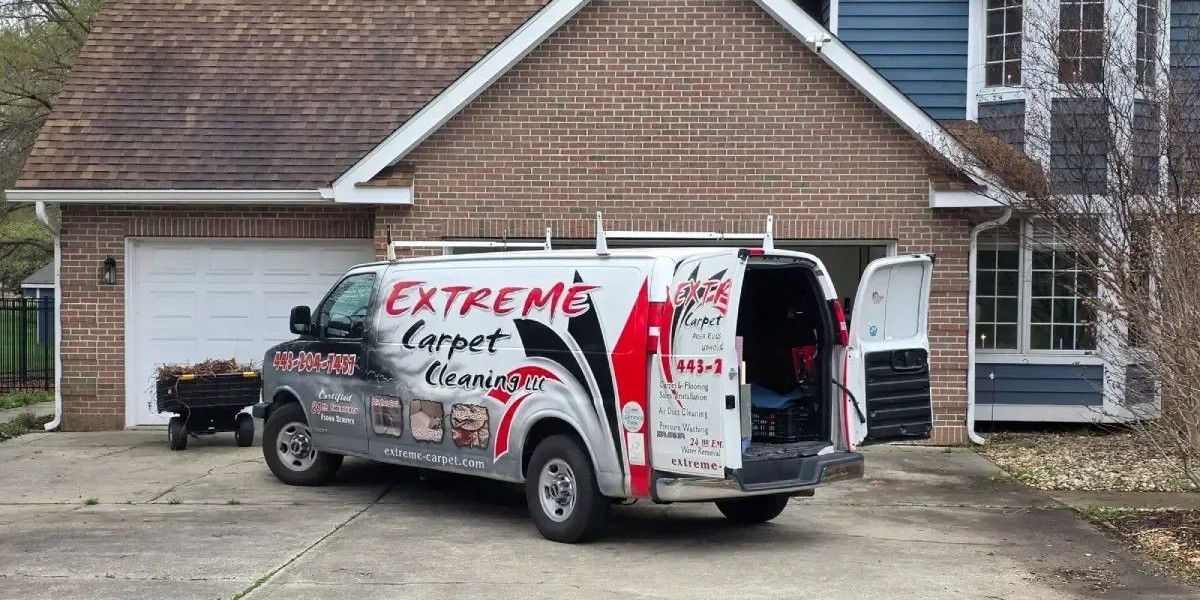
If your dryer's taking two cycles, running hot, or you just can't remember when the vent was last cleaned, Extreme Carpet Cleaning handles dryer vent and air duct cleaning across Baltimore County, including Cockeysville, Towson, and Hunt Valley. Call (410) 666-6600 to get it cleared.