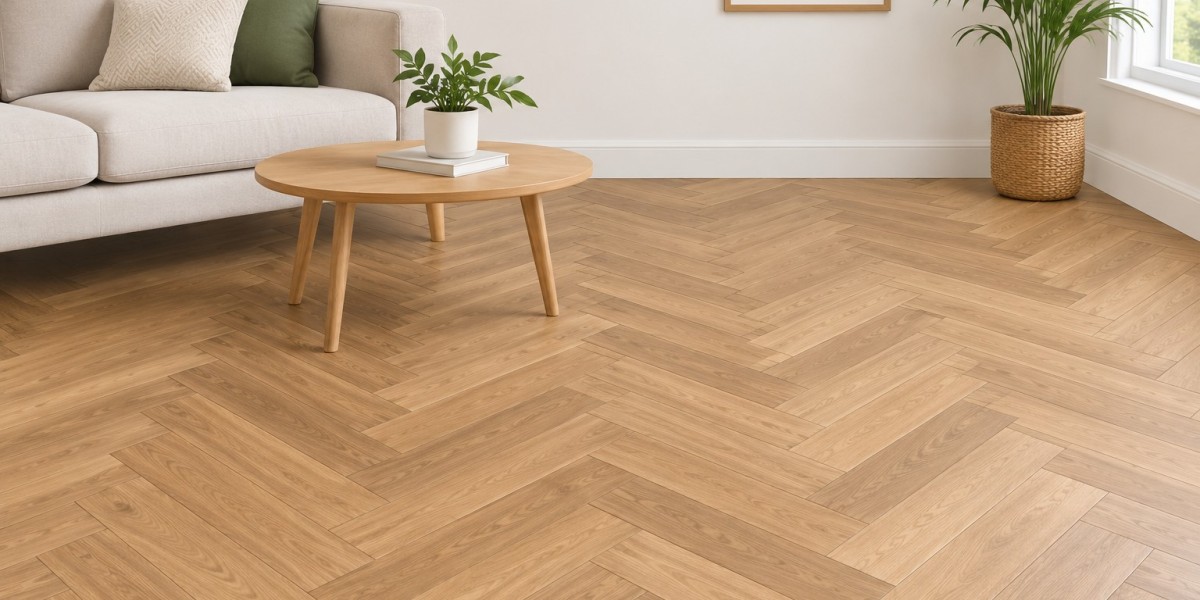


Engineered Wood Flooring
Engineered wood flooring is a popular choice for UK homeowners who want the natural beauty of real wood combined with practical performance. It offers an attractive finish for living rooms, bedrooms, dining areas, and other interior spaces. Available in different wood species, colours, finishes, and plank sizes, engineered flooring suits both traditional and modern interiors. Its layered construction helps provide greater dimensional stability than many solid wood boards, making it a practical option for a variety of residential settings. With the right product selection and proper installation, engineered wood flooring can enhance the appearance, comfort, and value of a home.
2. What Is Engineered Wood Flooring?
Engineered wood flooring is made from multiple layers of wood-based material, with a top layer of genuine hardwood that provides its natural appearance. Beneath the surface, supporting layers are arranged to help improve stability and reduce the effects of normal changes in temperature and humidity. Unlike laminate flooring, engineered wood has a real wood veneer, giving each board its distinctive grain and character. Depending on the product, it may be suitable for different installation methods, including floating, glue-down, or nail-down installation. Always check the manufacturer's specifications to confirm the recommended fitting method and compatibility with your subfloor.
3. Key Benefits of Engineered Wood Flooring
Engineered wood flooring offers several advantages for homeowners looking for an attractive and practical floor covering.
Natural wood appearance: A genuine hardwood surface provides authentic grain patterns and natural character.
Improved stability: Its layered construction helps minimise movement caused by changes in indoor conditions.
Versatile designs: Different finishes, colours, plank widths, and wood species make it easier to match various interior styles.
Underfloor heating compatibility: Many products are suitable for underfloor heating when installed according to the manufacturer's guidance.
Long-lasting appeal: With appropriate care and maintenance, engineered wood flooring can remain attractive for many years.
The exact performance, durability, and refinishing potential depend on the product's construction, hardwood wear-layer thickness, and maintenance requirements.
4. Popular Types of Engineered Wood Flooring
Engineered wood flooring is available in a range of styles to suit different rooms and design preferences. Oak engineered wood flooring is particularly popular because of its versatile grain and range of natural finishes. Light oak can help create a bright, spacious feel, while darker finishes can add warmth and depth to a room. Herringbone engineered wood flooring is another attractive option, featuring a distinctive pattern that works well in both classic and contemporary interiors. Wide-plank boards can create a clean, spacious appearance, while brushed and matt finishes offer a more textured, understated look. Choosing the right style depends on your room size, furniture, lighting, and overall interior design.
5. How to Choose the Right Engineered Wood Flooring
Before purchasing engineered wood flooring, consider the practical requirements of your home alongside the appearance you want to achieve. Think about the room's foot traffic, exposure to moisture, subfloor condition, and whether underfloor heating is installed. Compare the hardwood wear layer, total board thickness, surface finish, and locking or fitting system. Lighter shades can work well in smaller rooms, while natural oak and darker tones can complement larger spaces and traditional interiors. It is also important to check the manufacturer's cleaning instructions, warranty, and installation requirements. Ordering samples can help you compare colours under your home's natural and artificial lighting before making a final decision.
6. Engineered Wood Flooring vs. Solid Wood Flooring
Engineered and solid wood flooring both offer the natural appeal of real timber, but their construction differs. Solid wood boards are made from a single piece of wood, while engineered boards combine a real hardwood surface with supporting layers. This layered construction often makes engineered flooring more dimensionally stable in changing indoor conditions. Solid wood flooring can generally be sanded and refinished multiple times, depending on its thickness and condition. Engineered flooring may also be refinished, but this depends on the thickness of its real wood wear layer. The best option depends on your budget, preferred appearance, installation conditions, and long-term maintenance expectations.
7. Tips for Installing and Maintaining Engineered Wood Flooring
Proper installation and routine care help protect engineered wood flooring and maintain its appearance. Before installation, ensure the subfloor meets the manufacturer's requirements for flatness and moisture levels, and allow the flooring to acclimatise if instructed. Use the recommended underlay or adhesive and follow the specified expansion-gap requirements. For everyday cleaning, remove dust and loose dirt with a suitable vacuum or soft brush. Wipe up spills promptly and use a wood-floor cleaner recommended by the manufacturer. Avoid excessive water, steam cleaning unless specifically approved, and harsh cleaning chemicals. Maintaining stable indoor humidity and using protective pads beneath furniture can also help reduce the risk of damage.
8. Why Choose Wood Floors 4 U for Engineered Wood Flooring?
When searching for engineered wood flooring in the UK, it is important to choose flooring that matches your design preferences, room requirements, and budget. Wood Floors 4 U offers a dedicated range of engineered wood flooring options for homeowners looking to improve their interiors with the natural character of real timber. Explore different finishes, board styles, and flooring designs to find an option that complements your home. You can browse the available collection and review individual product specifications to compare construction, dimensions, fitting requirements, and care instructions before purchasing.
9. Conclusion
Engineered wood flooring combines the natural beauty of real hardwood with a layered construction designed to improve dimensional stability. Its range of colours, finishes, and patterns makes it suitable for many UK homes, from traditional properties to modern apartments. By comparing product specifications, selecting the right finish, and following suitable installation and maintenance practices, homeowners can choose flooring that meets their practical needs and design goals. Explore the engineered wood flooring collection at Wood Floors 4 U to find a style that complements your living space.