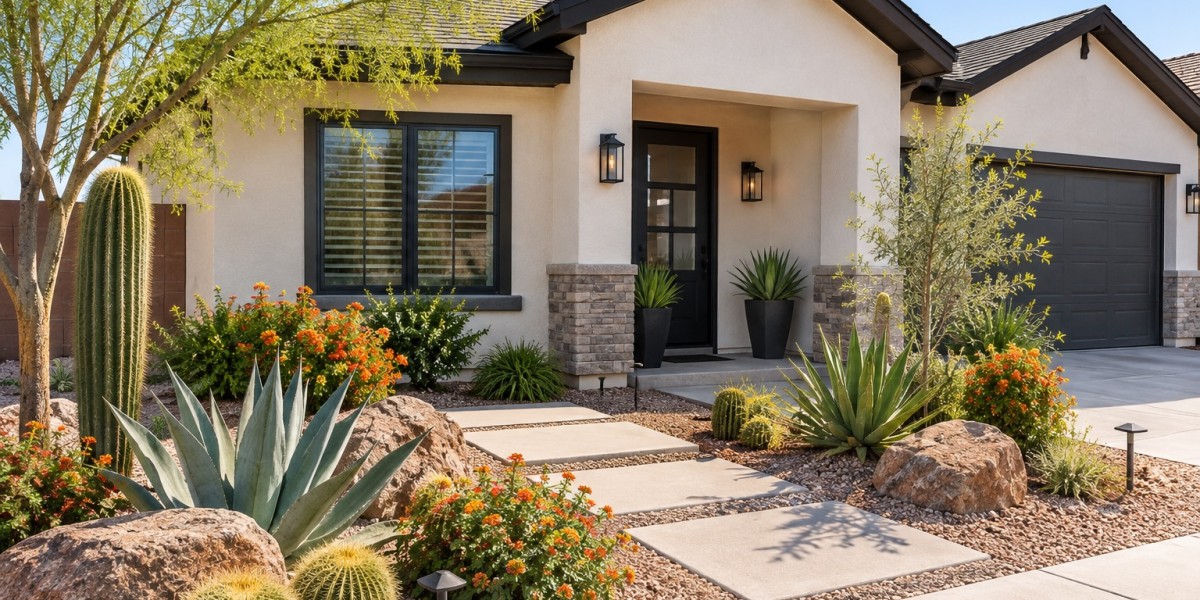


A beautiful garden does not always need a large lawn, frequent watering, or hours of weekly maintenance. With a suitable layout and carefully selected plants, homeowners can create an outdoor space that looks attractive while requiring less attention.
This approach is particularly useful in areas with hot summers, limited rainfall, or water restrictions. Instead of relying on plants that need constant moisture, a garden can use climate-appropriate varieties, decorative stones, mulch, and practical pathways.
The goal is to create a balanced outdoor environment that works with local conditions and remains enjoyable throughout the year.
Plan the Garden Around Its Conditions
Before choosing plants or materials, examine the garden carefully. Notice which sections receive direct sunlight, where shade is available, and how water moves across the ground after rainfall.
Soil conditions also influence the layout. Sandy soil may drain quickly, while heavier soil can retain moisture. Understanding these differences helps you select plants that are more likely to thrive.
Consider how the garden will be used. A front yard may need a clear pathway to the entrance, while a backyard might include seating and space for outdoor activities.
Create a simple drawing showing the main planting areas, pathways, existing trees, and any features you want to keep. A clear plan helps avoid unnecessary purchases and makes it easier to estimate the materials required.
Select Plants That Suit Dry Conditions
Choosing suitable plants is one of the most effective ways to reduce garden maintenance. Many native and drought-tolerant species can survive periods of limited rainfall once they are established.
Succulents, ornamental grasses, suitable shrubs, and certain flowering plants can provide different textures and colors. The best options depend on your local climate, soil, and seasonal temperatures.
A desert landscape front yard can combine sculptural plants, decorative gravel, natural stones, and carefully positioned shrubs. This arrangement can create visual interest without depending on a large area of thirsty grass.
Choose plants according to their mature size. A small shrub may eventually become too large for a narrow planting bed, while some ground covers can spread beyond their intended area.
Leave enough space between plants for healthy growth and airflow. Overcrowding often leads to additional pruning and maintenance.
Replace Difficult Lawn Areas With Alternatives
Traditional lawns can require frequent watering and mowing, particularly in hot climates. If a large grass area is difficult to maintain, consider replacing selected sections with more suitable materials or planting arrangements.
Gravel and decorative stones can cover areas where grass struggles to grow. Ground-cover plants may also provide a softer surface in locations where their growth requirements are suitable.
Another option is to reduce the lawn rather than remove it completely. Keeping a smaller green section can provide space for children, pets, or outdoor activities while making the rest of the garden easier to maintain.
Consider how the replacement surface will feel and perform. Stone can become hot in direct sunlight, while some ground covers may still require regular trimming or watering.
Use Gravel and Natural Stone
Decorative stone is useful for creating structure and separating different garden areas. Gravel can form pathways, surround planting beds, or cover selected sections where grass would be difficult to maintain.
Choose colors that complement your home. Beige, gray, and natural brown shades often work well with neutral exterior walls and green foliage.
Larger rocks can create focal points and provide contrast against smaller gravel. Repeating similar materials throughout the garden helps the design feel consistent.
Prepare the ground before installing stone. Remove unwanted weeds, create a stable base where necessary, and ensure the finished surface does not block natural drainage.
Avoid covering every available area with gravel. A mixture of stones, plants, and open space usually creates a more balanced appearance.
Add Mulch to Reduce Water Loss
Mulch helps protect the soil from direct sunlight and may reduce moisture loss. It can also limit weed growth and make planting beds look more organized.
Organic materials such as bark, wood chips, and suitable compost gradually break down and contribute organic matter to the soil.
Mineral mulch, including gravel and decorative stones, may be appropriate for certain dry-climate gardens. It lasts longer but can increase surface temperatures in exposed locations.
Choose mulch according to the plants and soil conditions. Keep it away from stems and tree trunks, and avoid applying it too deeply.
Organize the Garden With Clear Pathways
Pathways make outdoor spaces easier to navigate and help connect different areas. Gravel, paving stones, and natural stone can all provide useful surfaces.
Create routes between the entrance, seating area, and main planting beds. Leave enough room for comfortable movement and avoid allowing plants to spread across walking surfaces.
Stepping stones can be useful in smaller gardens, while a continuous path may suit areas with frequent foot traffic.
Make sure the surface is stable and does not become slippery during wet weather. Good preparation and suitable drainage will help reduce future repairs.
Use Efficient Irrigation
A low-maintenance garden still needs water, particularly when plants are newly installed. Drip irrigation can deliver moisture close to plant roots and may reduce waste compared with some overhead watering methods.
Group plants according to their water requirements. This makes it easier to provide suitable amounts of moisture without overwatering certain areas.
Watering early in the morning can help reduce evaporation during hot weather. However, the correct schedule depends on the soil, weather, and plant species.
Inspect irrigation lines regularly for leaks or blockages. A damaged connection can waste water and leave plants without enough moisture.
Create Comfortable Outdoor Areas
A garden should remain useful as well as attractive. A small seating area can provide a place to relax without requiring a large patio.
Choose durable outdoor furniture and position it where suitable shade is available. A pergola or shade sail may improve comfort in exposed areas, provided the structure is appropriate for local weather conditions.
Add a few carefully selected planters or outdoor lights to complete the space. Avoid unnecessary decorations that increase cleaning and maintenance.
Keep the Design Easy to Maintain
Choose plants that match the amount of time you can realistically spend caring for them. Remove weeds regularly, prune when necessary, and check for damaged irrigation equipment.
Inspect pathways and planting borders to ensure materials remain in place. Replace dead plants with suitable alternatives rather than repeatedly choosing varieties that struggle in the same location.
Build a Garden That Lasts
A stylish low-maintenance garden comes from selecting suitable plants, using materials carefully, and organizing the space around everyday needs.
Reduce difficult lawn areas, introduce practical pathways, and use efficient irrigation to support healthy growth. With thoughtful planning and regular basic care, you can create an attractive outdoor space that uses less water and requires less upkeep.







