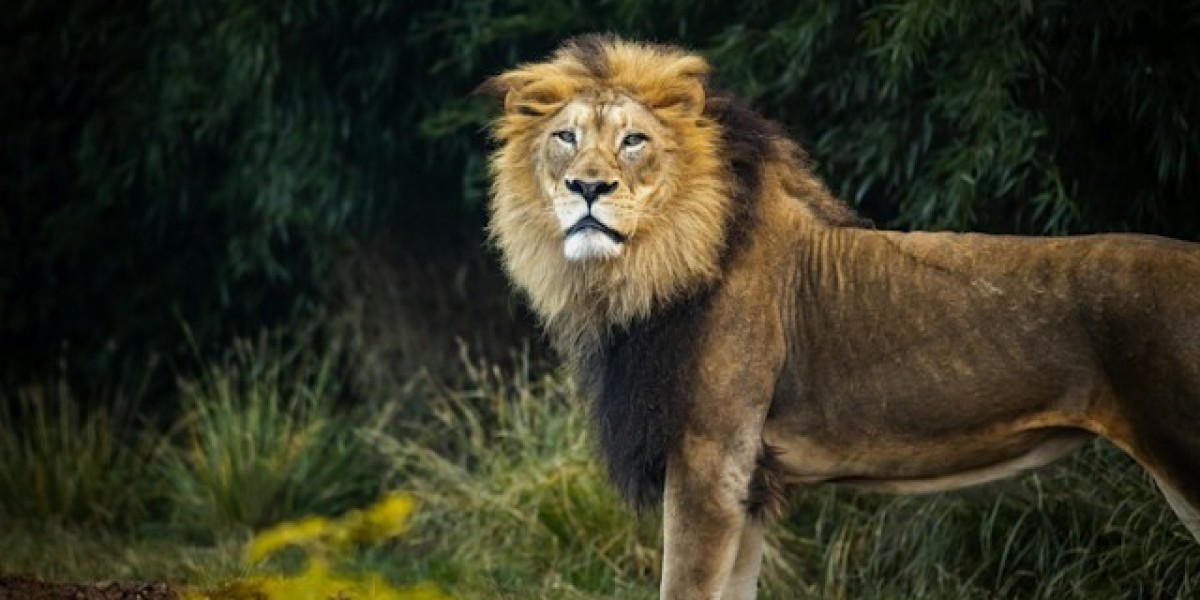


Hunting is a key survival skill for lions, leopards and cheetahs. Each species has different hunting methods based on their strength, habitat and prey.
Ultimately African Big Cats have developed amazing ways to survive. By understanding their hunting methods we can really understand more about how they live their daily lives.
Lions - Teamwork
Lions are the only big feline to live and hunt in groups known as prides. Teamwork can allow for them to successfully chase larger animals. Although the can hunt individually they can team up to come closer to and overwhelm their prey.
Together they typically can hunt. Typically the lionesses will pick apart their prey and lead the hunt. They will often divide up to come from different sides of their prey. Some will creep up on the prey while others will wait within a suitable position. Once they spot an opportunity to strike they'll work as a pack to take their prey down.
They often hunt zebra, wildebeest, buffalo and antelope. They have strong bodies which enable them to hold onto larger prey with ease. However they will not always have a successful hunt as prey can often sense danger, run away quickly or defend itself with their physical features such as horns and strong kicking.
Also lions rely on their environment. Long grass, bushes and dusk will help to hide the lions as they can get closer to their prey. Often it's down to how well timed their attack is.
Leopards - Stealthy Hunters
Leopards' hunting strategy is quite different to that of lions. They mostly hunt alone relying on patience and stealth. They have spots which aid them blending into their environment.
They will often creep around their territory looking for an appropriate prey animal. They will use trees, rocks and bush to hide within. Leopard will try to get as close to the prey as possible before striking.
They are strong climbers and can carry their prize to the trees. This hides their food from scavengers and bigger predators such as lions and hyenas. They can have their meal without often having to fight for their food.
They mainly hunt Antelope, monkeys, rodents, birds and other small animals. Leopards are opportunistic and can adapt to any environment as they don't rely on just one prey.
They are able to remain hidden which is one of their main advantages for surviving. They can get close to other animals without being seen.
Cheetahs - Fast Attackers
Cheetahs rely on speed and timing with their hunting strategy. They are the fastest animal on land and can sprint at incredible speeds. However they are not able to run quickly for very long so have to plan their chase.
Typically cheetahs will watch their prey and sneak upto them. Often they will also target prey which is young, weak or alone. Once they're close enough they'll pounce.
Their long legs, agile spines and powerful muscles allow for them to have quick acceleration and turn quickly. Their tail helps to keep them balanced.
They commonly hunt Gazelle, Impala and other small-medium sized Antelope. Unlike lions they won't usually team hunt.
They also suffer from their speed. A lot of energy is used when they run after their prey and their body temperature can rise very quickly. They need to rest after a successful hunt and often their prey can be stolen by other predators so need to eat quickly.
Prey Selection
Hunting isn't as simple as seeing an animal and going for them. African Big Cats need to think about their prey in relation to their size, speed and behaviour.
Often predators will aim to pick out animals which are straying away from their group or are easily distracted. Young animals or those injured/older can find themselves being targeted. However if the animal senses danger quickly they may be able to escape.
The habitat can also affect their choice. If they're in open plains there is less opportunity to hide however woodland and bush can provide great hiding places. Lions can utilise long grass to sneak up on their prey while Leopards benefit from thick bush and rocks.
Water holes and grazing areas can attract animals. Predators can often wait in these areas for the perfect opportunity. Patience will become key.
Stealth, Senses & Patience
All African Big Cats have features to help them during their hunts. Good eyesight, hearing and sense of smell will help them locate their prey.
Lions have strong bodies and forward facing eyes to help judge distance. Leopards have spotted fur to help hide within mixed bush and uneven terrain. Cheetahs have amazing eyesight to spot prey from far away on the plains.
Patience is also important. Predators can often sit and watch the animal for a long period of time before deciding to attack. If you go in too soon your prey will know you're there and you've wasted energy. Waiting for the perfect time often makes the difference between success.
These skills are developed with experience. Young big cats will watch adults hunt and practise their movements.
Competition Within Africa
Living in Africa can be competitive. Lions, Leopards and Cheetahs often share some of the same habitats. Hyenas and Wild Dogs also play an important role.
Lions often dominate other large carnivores due to their size and numbers. Leopards will often try to stay out of confrontation, sometimes taking their kills to trees. Cheetahs are generally not as confident as larger predators.
This often means Cheetahs will eat quickly while stronger predators arrive, Leopards often take their food somewhere safer.
Importance of Hunting Skills within Conservation
Having successful hunting skills allow big cats to survive, reproduce and maintain healthy populations. They are also an important part of their ecosystems as they impact the hunting of their prey.
However African big cats are now facing more problems. Habitat loss, low prey numbers, human and wildlife conflict and poaching are threatening their lives. Due to natural habitats becoming smaller or broken up predators may not have enough to eat.
Conservation efforts aim to protect their habitats, keep natural wildlife corridors and reduce human and predator conflict. Responsible eco-tourism can help conserve these animals if done responsibly within the parks.
African Big Cats Safaris allow people to see lions, leopards and cheetahs in their natural habitats. Also giving understanding into the importance of keeping them safe. Remember they rely on hunting as an essential part of their life however there is no guarantee that you will see them hunting or at all.
Conclusion
Overall each African big cat has adapted to their environment with their unique hunting methods. Lions rely on teamwork and strength, Leopards are stealthy hunters and Cheetahs rely on speed and accurate timing.
Despite their differences they all require patience, energy and careful decision making. Overall they are amazing animals and an important part of the wilderness. Keeping them in their natural habitats and hunting their natural preys is important to ensure future generations can see them.







