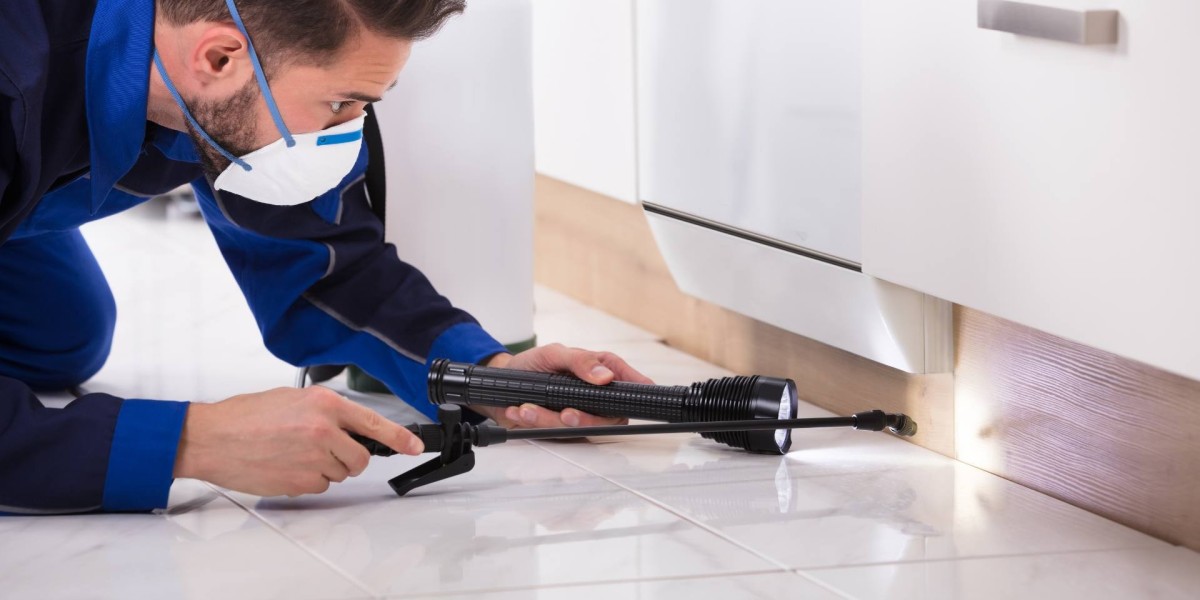


Pests can create serious problems for homes and commercial buildings when they enter living or working spaces. Insects and rodents may damage furniture, contaminate food, affect stored materials, and create unhealthy conditions. Some infestations develop gradually, making them difficult to notice until visible damage or pest activity becomes more obvious. A regular pest inspection helps identify signs of unwanted pests, locate possible entry points, and determine whether treatment or preventive measures are needed.
Every property has different conditions that may attract pests. Food storage, moisture, poor drainage, clutter, damaged screens, and small openings around doors or foundations can provide suitable places for insects and rodents. Identifying these conditions early can help property owners address problems before they become more difficult to manage. Understanding what an inspection involves and what to expect from the process makes it easier to protect a building.
Why Pest Inspections Are Important
Pests can affect more than the appearance of a property. Rodents may chew electrical wiring, damage insulation, and contaminate food storage areas. Termites can weaken wooden structures, while cockroaches and other insects may spread bacteria through surfaces and food preparation spaces. Certain pests can also trigger allergic reactions or cause discomfort through bites and stings.
A professional inspection helps identify pest activity that may otherwise go unnoticed. Inspectors look for droppings, damaged materials, nests, insect remains, unusual odors, and other signs that suggest an infestation. They may also examine conditions that make a property attractive to pests, such as standing water, uncovered waste, and gaps in exterior walls.
Scheduling a pest inspection in West Jefferson is useful even when there are no obvious signs of infestation. Preventive checks can reveal minor problems before they develop into larger concerns. This is particularly important for properties with basements, crawl spaces, storage rooms, gardens, or areas that are difficult to access regularly.
Common Pests Found During Inspections
Different pests create different types of problems, so identifying the species is an important part of the inspection process. Ants often enter buildings while searching for food and water. Cockroaches commonly hide in kitchens, bathrooms, drains, and other warm, humid areas. Their presence may indicate sanitation or moisture issues that need attention.
Rodents such as rats and mice can enter through small openings around foundations, pipes, vents, and doors. Inspectors may look for droppings, gnaw marks, nesting materials, and greasy marks along walls. These signs can help reveal where rodents are traveling and where they may be entering the building.
Termites and other wood-damaging insects require special attention because their activity may remain hidden inside wooden structures. Mud tubes, hollow-sounding timber, discarded wings, and damaged wood can indicate possible termite activity. A detailed pest inspection helps determine whether further evaluation or treatment is necessary.
Areas That Need Careful Inspection
A complete inspection should consider both the interior and exterior of a property. Inside the building, kitchens, bathrooms, utility rooms, basements, attics, and storage spaces often require close attention. These areas may provide food, moisture, shelter, or hiding places for different pests.
Inspectors may examine cabinets, appliances, wall openings, plumbing connections, floor edges, and areas behind stored belongings. They also look for leaks, condensation, damaged seals, and other conditions that can attract insects. Checking these locations helps identify both active pest problems and environmental factors that may contribute to future infestations.
The exterior of the property is equally important. Foundations, roof edges, drainage systems, garden areas, garbage storage locations, and entry points around utility lines can provide access to pests. A pest inspection may also include checking tree branches and vegetation that touch the building, as these can create routes for insects and rodents to reach the structure.
Signs That Your Property May Have a Pest Problem
Some pest problems become visible through everyday activity. Droppings, damaged food packaging, scratching sounds, unusual odors, and insect sightings may indicate that pests are present. Small holes in walls, gnaw marks on furniture, and damaged insulation can also suggest rodent activity.
Other signs are less obvious. Termites may damage wood internally, while bed bugs can hide in mattress seams, furniture joints, and small cracks. Ants may establish nests behind walls or beneath floors, making it difficult to locate the source of the activity. Repeated sightings in the same area can be a reason to arrange a closer inspection.
It is important not to ignore small warning signs. A single insect does not always indicate a major infestation, but repeated activity or unexplained damage deserves attention. A qualified inspector can assess the evidence and help determine whether the problem requires treatment, monitoring, or simple preventive changes.
How a Professional Pest Inspection Works
The inspection usually begins with a discussion about the property's history and any pest activity noticed by the owner or occupants. The inspector may ask when pests were first seen, which rooms are affected, and whether previous treatments have been carried out. This information helps identify areas that may require additional attention.
The inspector then examines accessible parts of the property for visible pests, damage, entry points, and conditions that encourage infestation. Depending on the building and the suspected pest, this may involve checking wall openings, wooden structures, roof spaces, basements, plumbing areas, and outdoor surroundings. Specialized tools may be used when necessary to investigate areas that are difficult to examine directly.
After completing the assessment, the inspector explains the findings and may provide a written report. The report can describe the pests identified, signs of activity, affected areas, and recommended next steps. A thorough pest inspection should distinguish between confirmed activity, possible evidence, and general conditions that could attract pests.
Choosing the Right Pest Inspection Company
Selecting a suitable inspection provider is important for receiving accurate information. Look for a company with experience identifying the types of pests common in your area and the ability to inspect different parts of residential or commercial properties. Appropriate licensing, certification, or training may also be required depending on local regulations.
Before booking, ask what the inspection includes. Some providers focus on general pest activity, while others offer specialized assessments for termites, rodents, bed bugs, or wood-damaging insects. Confirm whether the service covers both indoor and outdoor areas and whether a written report is included.
It is also useful to ask about the inspector's recommendations if pests are found. Inspection and treatment are different services, and not every provider includes both in one appointment. A clear explanation of the findings, treatment options, estimated costs, and follow-up requirements can help you make an informed decision.
Preventing Future Pest Infestations
Preventive maintenance can reduce the chances of pests entering a property. Keep food in sealed containers, clean spills promptly, and avoid leaving uncovered waste indoors or outdoors. Regularly empty rubbish bins and keep food preparation areas free from crumbs and standing water.
Moisture control is another important step. Repair leaking taps and pipes, improve drainage, and address areas where water collects around the building. Bathrooms, kitchens, basements, and laundry areas should have suitable ventilation to reduce excess moisture that may attract certain insects.
Inspect the exterior for cracks and openings around doors, windows, foundations, and utility lines. Seal suitable gaps, repair damaged screens, and keep vegetation trimmed away from the structure. These simple measures can limit access and remove some of the conditions that allow pests to establish themselves.
Pest Inspection for Homes and Commercial Buildings
Residential properties and commercial buildings can face different pest-related challenges. Homes may require attention to kitchens, bedrooms, garages, gardens, and areas where pets are kept. Families may also want to check for pests that can affect stored food, furniture, or sleeping areas.
Commercial properties often have additional responsibilities. Restaurants, warehouses, hotels, offices, and retail spaces may need regular monitoring because pest activity can affect employees, customers, stored products, and daily operations. Food-related businesses must pay particular attention to sanitation, waste management, storage conditions, and applicable health requirements.
A planned pest inspection schedule can help property managers identify concerns and maintain records of inspection findings. The frequency should depend on the building's use, previous pest activity, local conditions, and any relevant regulations. Consistent monitoring can help businesses respond to problems before they interrupt normal operations.
Understanding Inspection Costs
The cost of an inspection can vary depending on the property size, building layout, type of pests being investigated, and amount of work required. A small apartment may need less inspection time than a large commercial building with several storage areas and multiple floors. Specialized assessments may also cost more than a general inspection.
Additional charges may apply for follow-up visits, difficult-to-access areas, specialized equipment, or detailed reports. Treatment costs are usually separate unless the provider offers a combined package. Before confirming an appointment, request a clear estimate and ask which areas and services are included.
Comparing providers based only on price may not give you the full picture. Consider the inspection scope, qualifications, reporting process, and clarity of recommendations. A detailed assessment can help identify the actual problem and reduce the risk of spending money on unnecessary treatments.
Keep Your Property Protected With Regular Inspections
Pest problems can affect property conditions, stored belongings, building materials, and everyday comfort. Many infestations begin in hidden areas, which makes early identification especially valuable. Regular inspections help property owners understand what is happening inside and around their buildings while identifying conditions that may encourage pest activity.
Arranging a professional pest inspection is a practical way to check for insects, rodents, termites, and other unwanted pests. Choose a qualified provider, discuss any signs you have noticed, and review the inspection findings carefully. If treatment is necessary, follow the recommended steps and address the conditions that allowed pests to enter.
Every property requires a different level of attention, but consistent maintenance and timely inspections can reduce many common pest risks. By identifying problems early and taking preventive measures, homeowners and business owners can maintain cleaner, safer, and more comfortable spaces.







