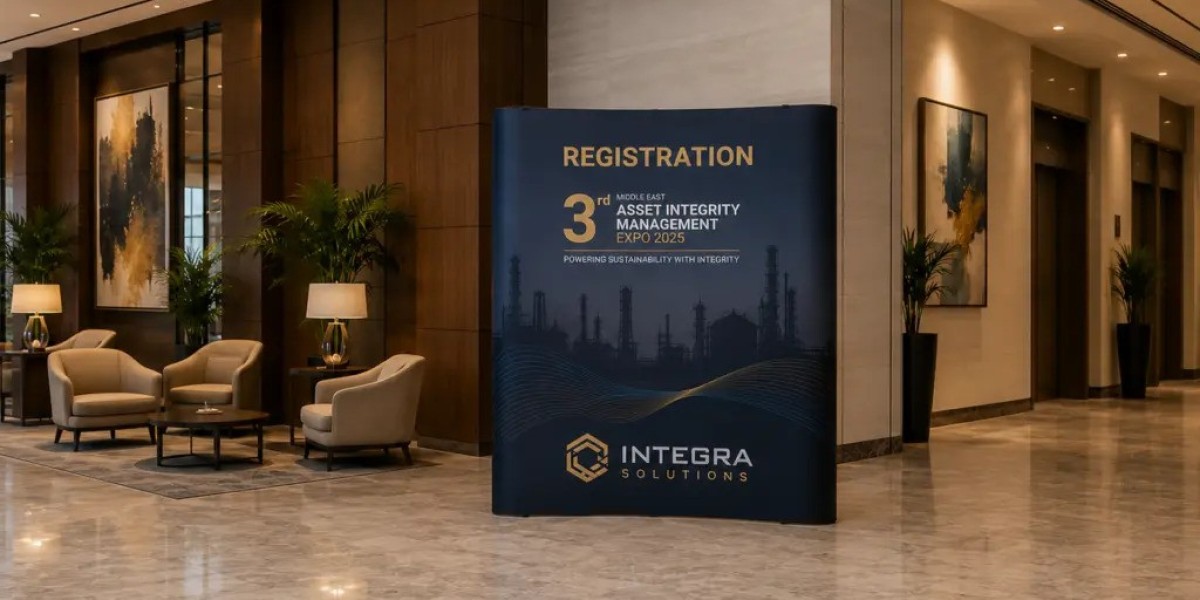


Exhibitions, trade shows, conferences, and promotional events give businesses a chance to introduce their products and communicate with potential customers. However, presenting information in a limited space requires careful planning. A pop up banner stand provides a simple way to display important messages, product images, and business information without needing a large or complicated structure. Its portable design and vertical layout make it useful for different indoor environments.
From small retail promotions to large exhibition booths, banner stands are available in several styles, sizes, and materials. Some feature retractable graphics, while others use lightweight frames that hold printed banners in place. Choosing the right display involves understanding its construction, printing quality, intended use, and available space. With proper planning, businesses can create an organised display that communicates information clearly and makes good use of the event area.
1. Understanding the Purpose of a Pop Up Banner Stand
A banner stand is a portable display system designed to hold a printed graphic in an upright position. It usually consists of a supporting base, a vertical pole or frame, and a printed banner. The structure keeps the graphic visible while allowing it to be moved between different locations.
These displays are commonly used at exhibitions, shopping centres, conferences, product launches, and business meetings. Their vertical shape makes them suitable for areas where floor space is limited. Unlike large exhibition structures, most banner stands do not require complicated installation or additional equipment.
For example, a small business attending a local trade exhibition can place a banner near its display counter. The graphic might contain the business name, product photographs, and a short description of its services. Visitors can understand the purpose of the display before approaching the staff.
Main Components of a Banner Stand
Although construction varies between models, most banner stands contain several basic parts:
Base: Supports the structure and helps it remain upright.
Support pole: Holds the graphic at the required height.
Printed banner: Displays text, photographs, illustrations, and other information.
Top support: Keeps the upper section of the graphic in position.
Carrying case: Protects the components during transportation and storage.
Understanding these components helps buyers compare different designs and identify which structure is suitable for their requirements.
2. Different Types of Banner Stands Available
Banner stands are available in different designs because each event has its own space and display requirements. Some businesses need a simple promotional graphic, while others require a larger backdrop that can be used repeatedly.
Retractable Banner Stands
Retractable displays are among the most common options for indoor promotions. Their printed graphics roll into a base when the display is not being used. During installation, the banner is pulled upward and connected to a supporting pole.
This design makes transportation and storage easier. For instance, a company attending several conferences throughout the year can keep its banner protected inside the base between events.
Retractable systems are particularly useful when quick installation and removal are important.
X-Shaped Banner Stands
An X-shaped banner stand uses a lightweight frame with supporting arms arranged behind the printed material. The banner is usually attached through small holes or hooks at its corners.
These displays are often used for temporary promotions, retail advertisements, and small indoor events. Their simple construction makes them easy to assemble and pack away.
L-Shaped Banner Stands
L-shaped displays use a support structure that holds the graphic from the bottom and one side. They provide a simple appearance and are commonly found in reception areas, offices, and promotional spaces.
Double-Sided Banner Stands
Double-sided displays show printed graphics on both sides of the structure. They are useful in places where people approach from different directions, such as shopping centre walkways, exhibition entrances, and conference halls.
The choice between these styles depends on the location, expected audience movement, and amount of information that needs to be displayed.
3. Benefits of Using Portable Banner Displays
Portable displays offer several practical advantages for businesses that participate in different events. Their simple construction and flexible placement make them suitable for both occasional promotions and regular exhibition activities.
One major advantage is convenient transportation. Many models can be packed into compact carrying bags, allowing staff members to move them between venues. Their lightweight construction also makes installation easier.
Another benefit is the ability to reuse the supporting structure. When the printed message changes, some models allow the graphic to be replaced without purchasing an entirely new frame.
Other important benefits include:
Space-saving design: Vertical displays use less floor space than many large exhibition systems.
Quick setup: Most models can be installed without specialist equipment.
Flexible positioning: They can be placed beside counters, entrances, or product demonstration areas.
Reusable construction: Suitable frames can be used for multiple events.
Clear presentation: Large printed graphics help communicate important information.
Easy storage: Many designs can be packed into protective cases after use.
For example, a clothing retailer may use a banner to introduce a seasonal collection at a shopping event. The same display structure can later be used with a different printed graphic for another promotion.
4. Selecting the Right Material for Banner Printing
The printing material affects the appearance, durability, weight, and overall quality of a banner. Different materials are available, and the right choice depends on where the display will be used.
PVC and Vinyl
PVC and vinyl are widely used for promotional graphics. They support colourful printing and can display photographs, text, and illustrations clearly.
These materials are available in different thicknesses and finishes. A glossy finish can make colours appear more vibrant under suitable lighting, while a matte surface helps reduce reflections.
Fabric Graphics
Fabric banners are commonly used with modern exhibition display systems. They provide a softer appearance and can be suitable for repeated indoor use.
Fabric materials are often lightweight and easier to handle. However, their appearance depends on the fabric quality, printing method, and finishing process.
Choosing Material According to Location
Indoor and outdoor displays have different requirements. Indoor banners are generally protected from direct sunlight, wind, and rain. Outdoor displays may need stronger supporting structures and materials designed for changing weather conditions.
Before selecting a material, businesses should consider the expected environment, frequency of use, and transportation requirements.
5. Creating an Effective Banner Design
A good banner design should communicate its message quickly. Visitors at exhibitions often walk past displays without stopping, so the most important information needs to be visible and easy to understand.
A crowded layout can make even a high-quality printed banner difficult to read. Therefore, designers should focus on a clear headline, suitable images, readable text, and a balanced arrangement.
Use a Clear Main Heading
The main heading should explain what the display is about. Short and meaningful wording is generally more effective than a long paragraph.
For example, a company providing printing services might use the heading "Complete Printing Solutions" followed by a few important services. Visitors can understand the subject without reading unnecessary details.
Select Suitable Colours
Colours influence how people notice and understand a display. A consistent colour combination can make the design look organised, while too many contrasting shades may create confusion.
Text should always have enough contrast with the background. Dark text on a light background or light text on a dark background can improve readability.
Choose High-Quality Images
Images should relate directly to the product, service, or subject being presented. Low-resolution photographs may appear unclear when printed at a large size.
For example, a furniture business should use clear photographs of its products rather than unrelated decorative images. This helps visitors understand what the company offers.
Arrange Information Carefully
The layout should guide the viewer's attention from the main heading to the supporting information. Important details should not be placed too close to the edges.
Before printing, designers should review the artwork at its actual dimensions. This makes it easier to identify small text, poor image quality, and spacing problems.
6. Where Banner Stands Can Be Used
Banner stands are suitable for many environments because they are portable and do not require a large installation area. Their use is not limited to exhibitions or trade shows.
Trade Shows and Exhibition Halls
Businesses use banner displays to introduce their products, explain services, and provide information about their activities. A stand placed beside an exhibition counter can support conversations between visitors and company representatives.
Retail Stores and Shopping Centres
Retail shops often use banners to communicate seasonal offers, product launches, and special announcements. Placing a display near an entrance can help customers notice important information before entering the store.
Conferences and Corporate Events
At conferences, banner stands can identify registration desks, meeting rooms, and presentation areas. They may also display the names of participating organisations or the subjects of different sessions.
Educational Events
Schools, colleges, and training centres can use these displays during admission campaigns, career fairs, workshops, and student activities. Course information and event schedules can be presented in a simple format.
Product Launches
During a product launch, a banner can introduce a new item and explain its main features. When positioned near a demonstration area, it gives visitors useful information while they explore the product.
7. Factors to Consider Before Buying a Banner Stand
Choosing a suitable banner stand requires attention to several details. Price is one consideration, but the structure, printing quality, size, and intended use are equally important.
The following factors can help businesses make a suitable choice:
Available space: Measure the display area before selecting the banner dimensions.
Frame strength: Check the base, connecting parts, and support poles.
Printing quality: Look for sharp images, clear text, and accurate colours.
Portability: Consider the weight and whether a carrying case is provided.
Installation: Choose a structure that can be assembled without unnecessary difficulty.
Graphic replacement: Check whether the printed material can be changed when required.
Storage: Make sure the packed display can be stored safely between events.
Businesses researching exhibition equipment in the UAE may also find suppliers such as Pop Up Stands Dubai while comparing different display options. Looking at available materials, printing methods, and frame designs can help buyers understand the differences between products.
8. Maintenance and Storage for Long-Term Use
Proper maintenance helps keep a banner stand in good condition. Dust, dirt, and small marks can affect the appearance of printed graphics, particularly when the display is used frequently.
After an event, the banner should be cleaned according to the manufacturer's instructions. Suitable cleaning methods depend on whether the graphic is made from vinyl, PVC, or fabric. Strong chemicals and rough cleaning materials should be avoided unless specifically recommended.
Retractable graphics should be rolled into their bases slowly and evenly. Pulling the banner too quickly or allowing it to roll unevenly may cause damage.
The frame should also be inspected before storage. Loose connections, damaged support poles, or bent components can affect stability during future use.
Common Mistakes to Avoid
Some mistakes can reduce the effectiveness and lifespan of a display:
Using too much information in a limited space.
Selecting low-quality images for large printing.
Choosing colours that make text difficult to read.
Ignoring the viewing distance.
Placing important information near the edges.
Storing banners while they are wet or dirty.
Using an indoor display in unsuitable outdoor conditions.
Taking a little time to inspect and pack the display properly can prevent many common problems.
Conclusion
Banner stands provide a simple and practical way to present information at exhibitions, conferences, retail stores, and promotional events. Their portable structures, easy installation, and flexible designs make them useful for businesses with different display requirements.
Selecting the right type involves considering the available space, frame quality, printing material, graphic design, and frequency of use. Proper maintenance and careful storage can also help extend the life of the display. By focusing on clear communication and suitable construction, businesses can create organised exhibition displays that share important information without requiring complicated structures.







