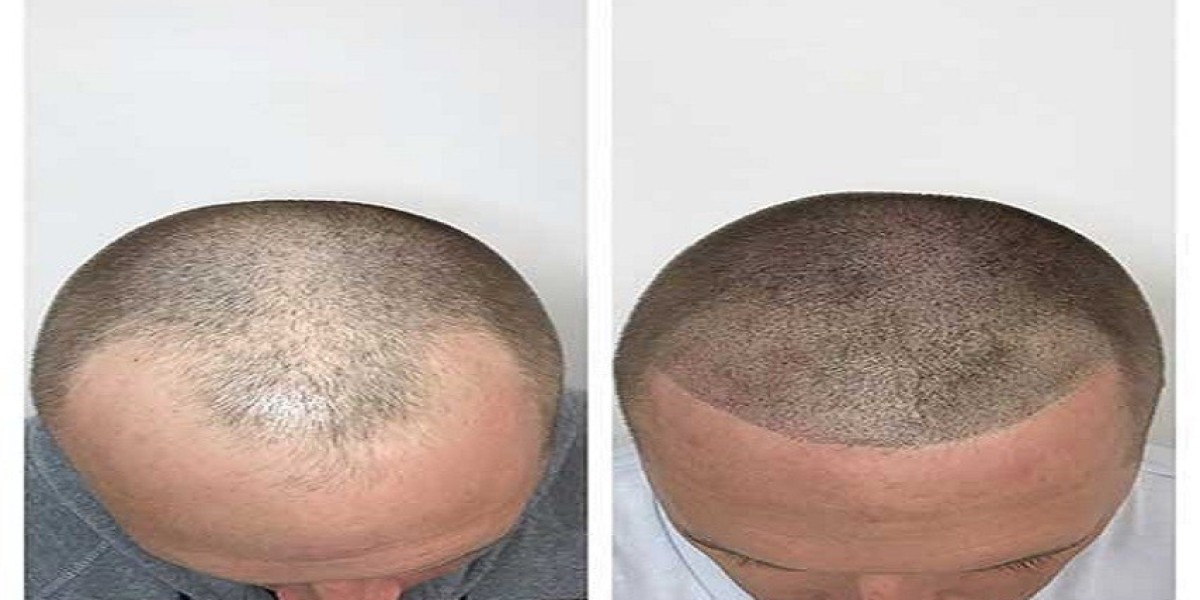


Hair loss does not have a single cause, which means there is no one-size-fits-all treatment. Genetics, hormonal changes, nutritional deficiencies, stress, scalp conditions, medications, and lifestyle factors can all influence hair growth. Non-surgical hair treatments offer targeted approaches that can help reduce hair fall, improve scalp health, and support healthier-looking hair without requiring a surgical procedure.
Understanding Different Types of Hair Loss
The first step in effective non-surgical treatment is understanding why hair is thinning. Androgenetic alopecia, commonly known as pattern hair loss, is strongly influenced by genetics and hormones. It may appear as a receding hairline, thinning crown, or gradual reduction in overall density.
Telogen effluvium is another common type, often associated with significant stress, illness, rapid weight changes, nutritional deficiencies, or hormonal fluctuations. In this condition, more hairs than usual enter the shedding phase, resulting in noticeable hair fall.
Some people experience alopecia areata, an autoimmune condition that can cause sudden, patchy hair loss. Others may have thinning related to scalp inflammation, poor nutrition, or damage caused by excessive styling. Because the underlying causes differ, treatment should be selected according to individual needs.
How Non-Surgical Hair Treatments Work
Non-surgical hair treatments generally focus on creating a healthier environment for existing hair follicles. Depending on the cause and severity of hair loss, treatment may involve topical applications, oral medications, platelet-based therapies, laser or light-based treatments, scalp therapies, or customized combinations.
For pattern hair loss, certain clinically used medications may help slow further thinning and support the growth cycle of susceptible follicles. These treatments are typically more effective when started early, before significant follicle miniaturization occurs.
For temporary shedding such as telogen effluvium, the focus may be different. Identifying and addressing the underlying trigger—such as nutritional imbalance, prolonged stress, or hormonal changes—is often more important than simply treating the visible hair fall. Once the contributing factor is managed, the natural growth cycle may gradually recover.
The Role of Scalp and Follicle Health
Healthy hair growth begins at the scalp. Excess oil, buildup, inflammation, or certain scalp conditions can affect the hair-growth environment. Non-surgical scalp treatments can help improve scalp cleanliness and support overall follicle health when used appropriately.
Some advanced treatments are designed to stimulate the scalp and potentially improve blood flow around hair follicles. Platelet-rich plasma (PRP) therapy, for example, uses components derived from a person's own blood and is used in some hair-restoration protocols to support existing follicles. Results can vary depending on the type and stage of hair loss.
Light-based therapies are another non-surgical option. Low-level light treatments are designed to stimulate cellular activity around hair follicles and may be considered for certain forms of pattern hair loss. They generally require repeated sessions and consistent use.
Why Personalization Matters
The same treatment may not produce the same results for every person. Age, gender, medical history, family history, hormonal status, nutritional factors, scalp condition, and the stage of hair loss can all influence treatment decisions.
A professional hair and scalp evaluation can help determine whether the hair follicles are still active, whether excessive shedding is temporary, and what factors may be contributing to the problem. In some cases, blood tests or additional assessments may also be recommended to identify underlying deficiencies or medical conditions.
Supporting Long-Term Hair Health
Non-surgical treatment works best when combined with healthy hair-care habits. A balanced diet containing adequate protein, vitamins, and minerals, along with gentle scalp care and reduced exposure to excessive heat or harsh chemical treatments, can help support the overall condition of the hair.
Most importantly, hair restoration is a gradual process. Hair grows in cycles, so visible improvement generally requires patience and consistency. Early evaluation can also be beneficial because some treatments work better when thinning is identified before extensive follicle damage occurs.
Conclusion
Non-surgical hair treatment works by addressing the specific factors contributing to hair loss while supporting the health and function of existing follicles. From pattern thinning and temporary shedding to scalp-related problems, different conditions require different approaches. With an accurate assessment and a personalized treatment plan, non-surgical options can become an important part of a comprehensive strategy for managing hair loss and maintaining healthier-looking hair.
Why Is My Hair Turning White So Early? Common Causes Explained







