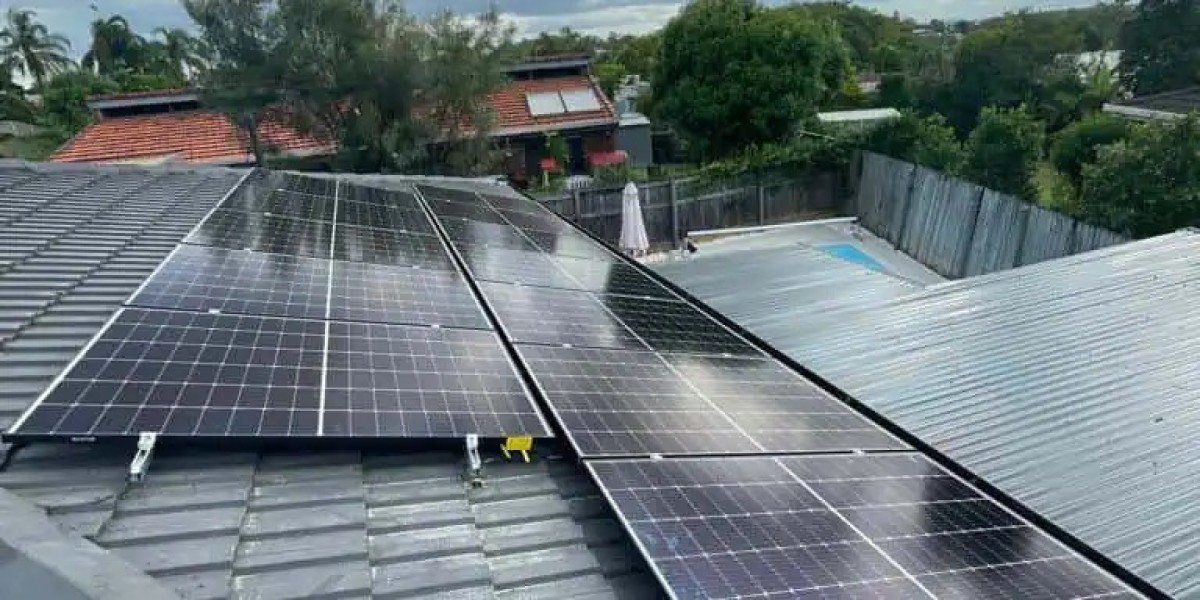


One of the most common questions homeowners ask before installing solar is, “Do solar panels work during the rainy season?” The simple answer is yes. Solar panels continue generating electricity when it rains, although their output is usually lower than it is on bright, sunny days.
Rainy weather does not stop a solar system from working. Modern photovoltaic panels can generate electricity from both direct and indirect sunlight. Understanding how weather affects solar production can help homeowners set realistic expectations and make better decisions about residential solar.
How Do Solar Panels Generate Electricity?
Solar panels contain photovoltaic cells that convert sunlight into direct-current (DC) electricity. An inverter then converts this electricity into alternating-current (AC) power that can be used by household appliances.
Solar panels do not require intense sunshine to produce electricity. They respond to available light, which means they can continue generating power under cloudy and overcast conditions.
However, the amount of electricity produced depends on how much sunlight reaches the panels. Heavy clouds and rainfall reduce available solar radiation, so the system's output will generally decrease.
Do Solar Panels Work During Rain?
Yes, solar panels work during rain. However, their electricity generation can be significantly lower during heavy rainfall or dense cloud cover.
Light rain accompanied by bright or partially cloudy conditions may still allow reasonable generation. During a severe storm with thick clouds, output may fall considerably.
This variation is normal and does not necessarily indicate a problem with the solar system.
The important point is that rain reduces solar output; it does not automatically shut the system down.
What Happens to Solar Production on Cloudy Days?
Clouds block and scatter sunlight before it reaches the solar panels. As a result, panels receive less solar energy than they would under clear skies.
Solar production can therefore fluctuate throughout a rainy day. For example, output may increase when clouds temporarily clear and decrease again when heavier clouds arrive.
The actual reduction depends on factors such as:
- Cloud thickness
- Rainfall intensity
- Time of day
- Panel orientation
- Location
- Season
- Solar system size
- Shading around the property
A cloudy day can still contribute to the household's overall solar generation.
Can Rain Help Solar Panels?
Rain can actually provide an indirect maintenance benefit. Water running over the surface of solar panels can help wash away some dust, pollen, and loose dirt.
Cleaner panels can receive sunlight more effectively than heavily soiled panels.
However, rain should not be considered a complete substitute for professional inspection or cleaning. Bird droppings, stubborn dirt, leaves, and other debris may remain on the panels even after rainfall.
Does Rain Affect Solar Savings?
Rainy weather can reduce the amount of electricity generated by a residential solar system, which may affect daily savings. However, homeowners should evaluate solar performance over a longer period rather than judging the system based on individual rainy days.
Solar systems are designed to generate electricity throughout the year. Strong production during sunnier periods can help compensate for lower generation during extended cloudy or rainy weather.
The financial benefit of residential solar depends on several factors, including system size, electricity consumption, electricity prices, solar generation, and how much generated electricity the household uses directly.
What About Battery Storage During Rainy Weather?
Battery storage can provide additional flexibility during periods of lower solar production.
On sunny days, excess solar electricity can potentially be stored in a battery instead of being exported to the grid. The stored electricity can then be used later when solar generation is low or unavailable.
During rainy periods, a battery may help reduce the amount of electricity a household needs to purchase from the grid.
However, battery capacity is not unlimited. During prolonged periods of low solar generation, the battery may eventually need to be supplemented by grid electricity.
How to Maximise Residential Solar Savings
Homeowners can take several steps to improve the value of their solar system throughout the year.
Use Solar Electricity During the Day
Running appliances when the solar system is producing electricity can increase solar self-consumption. Activities such as washing clothes, running dishwashers, heating water, or charging an electric vehicle can often be scheduled during daylight hours where practical.
Monitor Solar Performance
Solar monitoring allows homeowners to see how much electricity their system generates. Monitoring can help distinguish normal weather-related fluctuations from unexpected performance problems.
Keep Panels Clear
Regularly checking panels for leaves, heavy dirt, bird droppings, or other obstructions can help maintain generation.
Consider Battery Storage
For households with suitable energy-use patterns, battery storage may help make greater use of solar electricity after sunset or during periods of reduced solar production.
Should You Avoid Solar Because of Rain?
No. Rainy weather should not be a reason to automatically rule out residential solar.
Solar systems are designed to operate in changing weather conditions, and Australia receives substantial solar resources across the year. While rainy and cloudy periods can reduce generation, they are only one part of the system's overall annual performance.
A professional solar assessment can estimate expected generation for a particular property using its location, roof characteristics, system size, orientation, and other relevant factors.
Conclusion
So, do solar panels work during the rainy season? Yes, they do. Solar panels can generate electricity from available daylight even when skies are cloudy or rain is falling, although their output will generally be lower than on clear, sunny days.
Rain can temporarily reduce solar generation, but it does not eliminate the long-term benefits of residential solar. With appropriate system sizing, efficient energy usage, regular monitoring, and optional battery storage, homeowners can continue to benefit from solar electricity throughout changing weather conditions.
The best way to assess potential savings is to look at expected annual solar generation and household energy consumption rather than focusing on individual rainy days.
Understanding Energy Consumption Requirements
How Manufacturing Businesses in Australia Cut Carbon Emissions with Commercial Solar







