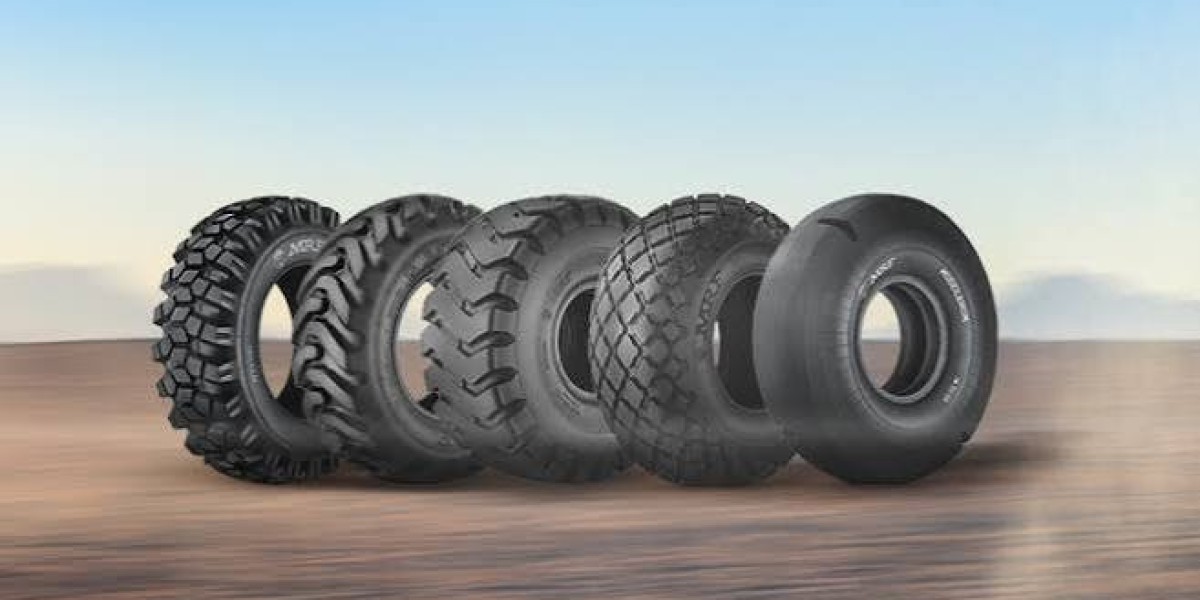


Maintaining a vehicle in Dubai involves making practical decisions about safety, performance, and long-term running costs. Tyres deserve particular attention because they directly influence braking, steering response, fuel efficiency, and driving comfort. With different manufacturers, specifications, and tread designs available, comparing suitable products before making a purchase can save both time and money. For motorists researching where to buy tyres online dubai, understanding the benefits of digital tyre shopping alongside essential technical considerations can make the entire process more convenient and informed.
Why Choosing the Right Tyres Matters in Dubai
Dubai presents a distinctive driving environment. High summer temperatures, extended highway journeys, busy urban roads, and occasional rainfall all influence tyre performance.
Heat is particularly important. Tyres experience continuous friction as they move across road surfaces, and elevated temperatures can increase thermal stress. Incorrect inflation, excessive vehicle loading, and worn tread patterns can make these conditions more challenging.
The right tyre should match the vehicle's specifications and typical driving requirements. A family sedan used for daily commuting may benefit from a comfortable touring tyre, whereas an SUV regularly travelling across different surfaces may require a more versatile design.
Choosing based on actual usage rather than appearance or price alone is a sensible approach.
How Online Tyre Shopping Makes the Process Easier
Digital shopping has changed how motorists research and compare automotive products. Instead of visiting multiple physical stores to identify suitable options, customers can explore available products and specifications through online platforms.
Convenient Product Comparisons
One advantage of online shopping is the ability to compare different manufacturers and models in one place.
Drivers can evaluate important characteristics such as:
Tyre dimensions and compatibility.
Manufacturer and product range.
Tread design and intended application.
Load capacity and speed ratings.
Available pricing and product options.
Having these details accessible makes it easier to understand the differences between products before committing to a purchase.
Better Access to Technical Information
Tyres contain several specifications that influence their suitability for individual vehicles. Online product listings can help customers research these details without relying entirely on sales recommendations.
However, shoppers should always verify that the listed specifications match their vehicle's requirements. A visually similar tyre is not necessarily an appropriate replacement.
Saving Time During Vehicle Maintenance
Traditional shopping can involve travelling between different retailers, checking stock, and comparing quotations. Online research allows drivers to complete much of this work from home.
This is particularly useful for busy professionals and vehicle owners managing multiple maintenance responsibilities.
Understanding Tyre Specifications Before Ordering
A convenient purchasing process is only valuable when the selected product is technically suitable. Understanding basic tyre specifications helps prevent costly mistakes.
Tyre Width and Aspect Ratio
A typical tyre marking might read 225/55 R18.
Each section represents a specific measurement:
225 indicates the tyre's width in millimetres.
55 represents the sidewall height as a percentage of its width.
R indicates radial construction.
18 represents the wheel rim diameter in inches.
These measurements determine whether a tyre is compatible with the vehicle's wheels and approved fitment specifications.
Load Index and Speed Rating
The load index indicates the maximum weight a tyre can support under specified conditions. The speed rating identifies the maximum speed category for which the tyre is approved.
Both specifications are important for maintaining safe operating conditions. Drivers should follow the recommendations provided by their vehicle manufacturers rather than selecting lower-rated alternatives simply because they cost less.
Tread Design and Driving Conditions
Tread patterns influence grip, water evacuation, road noise, and handling characteristics.
Touring tyres generally focus on comfort and balanced everyday performance. Performance tyres prioritise handling response and grip, while all-terrain products are developed for vehicles that regularly encounter mixed road surfaces.
The best option depends on how and where the vehicle is driven.
Choosing Tyres for Different Vehicle Categories
Different vehicles place different demands on their tyres, making product selection an important consideration.
Family Sedans and Hatchbacks
Passenger cars commonly require tyres that provide comfortable handling, predictable braking, and controlled road noise.
For daily commuting, a balanced touring tyre can be a practical choice. Fuel efficiency and expected tread life may also influence the purchasing decision.
SUVs and Crossovers
SUVs generally have higher weight requirements and different handling characteristics. Their tyres should provide appropriate load capacity, stability, and traction.
Drivers who mostly travel on paved roads may prefer highway-oriented tyres, while those occasionally exploring gravel or desert environments may consider suitable all-terrain options.
Sports and Luxury Vehicles
Performance-oriented vehicles often require tyres designed for stronger cornering response, braking consistency, and higher operating demands.
In these cases, choosing the correct specification is especially important because tyre characteristics can significantly influence the vehicle's handling behaviour.
Common Mistakes to Avoid When Purchasing Tyres Online
Online convenience should not replace careful product evaluation. Several common mistakes can lead to unsuitable purchases.
Ignoring manufacturer specifications
Always confirm the approved tyre dimensions, load index, and speed rating before ordering.
Choosing exclusively by price
An unusually inexpensive option may not provide the performance characteristics or expected service life required for your vehicle.
Overlooking manufacturing age
Tyres gradually age even when unused. Check manufacturing information and storage conditions when evaluating products.
Failing to confirm installation arrangements
A tyre purchase should include a clear understanding of fitting, balancing, and any additional services required.
Ignoring warranty information
Review the applicable warranty terms, coverage limitations, and procedures for handling manufacturing defects.
Maintaining Your Tyres After Installation
Purchasing suitable tyres is only the beginning. Regular maintenance helps preserve performance and identify potential problems before they become serious.
Check inflation pressure monthly and before long journeys. Always use the pressure recommended by the vehicle manufacturer and take readings when tyres are cold.
Inspect tread depth regularly, especially before extended highway travel. Uneven wear may indicate alignment or suspension problems that require professional attention.
Wheel balancing and periodic tyre rotation can also help maintain consistent performance. Additionally, inspect sidewalls for cuts, cracks, and bulges.
In Dubai's hot climate, these simple checks are particularly valuable for reducing unnecessary tyre deterioration.
Frequently Asked Questions
1. Is purchasing tyres online convenient?
Yes. Online platforms allow motorists to compare products, specifications, and prices without visiting multiple physical retailers.
2. How can I identify the correct tyre size?
Check the vehicle owner's manual or the tyre information label, commonly located inside the driver's door area.
3. Should I replace all four tyres together?
Replacing all four can provide consistent handling characteristics. If replacing only two, they should generally be fitted to the rear axle, subject to vehicle manufacturer recommendations.
4. How often should tyres be inspected?
Check tyre pressure monthly and inspect tread condition and sidewalls regularly. Additional checks are advisable before long journeys.
5. Does tyre quality affect fuel consumption?
Yes. Rolling resistance influences how much energy a vehicle needs to maintain movement. Tyres with suitable efficiency characteristics can help reduce fuel consumption.
Conclusion
Choosing replacement tyres requires attention to compatibility, performance, durability, and driving conditions. Digital shopping makes product research and comparison more accessible, but motorists should still verify every important specification before completing an order. By understanding tyre dimensions, evaluating different tread designs, and maintaining proper inflation, drivers can make more informed decisions and enjoy a safer, more comfortable driving experience across Dubai's roads.







