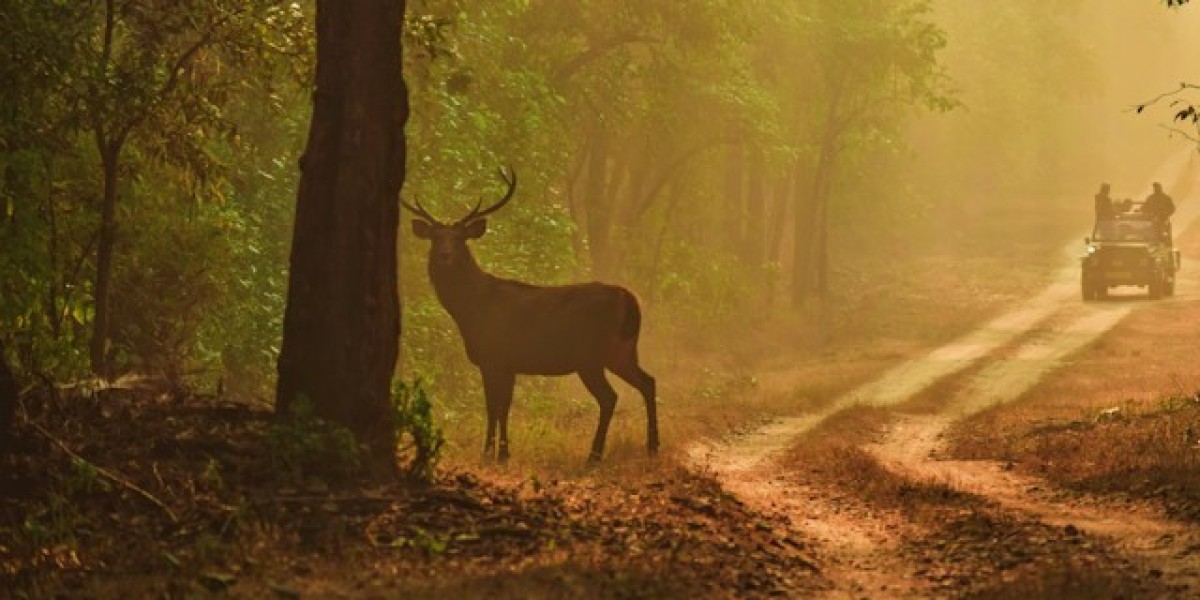


Understanding Deer Behaviour on a Jungle Safari
During a jungle safari, you will often come across deer. They often move around forests, grasslands and open spaces in search of food and water. Observing deer in the wild helps you understand how wildlife reacts to its surroundings.
Depending on the species, many deer live in large groups, whilst others prefer to be solitary. You can learn a lot from observing deer behaviour, including their movement, sounds and body language.
By observing deer, you can learn more about the ecosystem within the forest. You can learn about how they behave when feeding, their alarm calls and how they react to predators.
Why Deer Play an Important Role in the Forest Ecosystem
Deer play an important role in keeping the forest ecosystem healthy. They often graze on grasses, leaves, fruits and other plants. This affects the growth of plants in the area and maintains the natural balance within the forest environment.
Deer are also an important food source for predators such as tigers and leopards. This helps keep larger animals alive.
During your safari, you may spot deer grazing or walking around in open areas and along forest tracks.
Common Species of Deer in Indian Forests
There are many species of deer found in Indian forests. Some common species include:
Spotted Deer (Chital): These can easily be recognised by their white speckles. They are often found in groups and feed in open grasslands and forest areas.
Sambar Deer: This is one of the largest species of deer in India. They often favour thick forested areas and are quite active during early mornings and evenings.
Barasingha: Also known as swamp deer, they are often found in grasslands and wet environments. They mainly eat grasses and aquatic plants.
Barking Deer: Also known as the Indian muntjac, this is a smaller species of deer often found in thick forested areas. They prefer living alone and make a loud barking sound when alarmed.
Each species behaves differently, and observing them can make wildlife spotting more exciting.
Deer Behaviour on a Jungle Safari
During a jungle safari, you will see deer exhibit natural behaviours. Their behaviour varies depending on the food they are eating, the weather, whether they are in groups and whether there are any predators around.
Grazing
One of the most common behaviours you will see is deer feeding. They spend several hours searching for food such as grasses, leaves, shoots and fallen fruits.
Spotted deer often graze in open areas so they can watch their surroundings. Sambar deer often feed close to the edge of the forest or near water sources.
Barasingha mainly eat grasses from grassland areas. They vary their feeding depending on the availability of fresh grass throughout the seasons.
Being Alert
Deer have excellent senses and constantly use their hearing, smell and sight to stay aware of danger.
If they sense anything unusual, they may pause their feeding and lift their heads. They may stare into the distance or move their ears to locate the source of the noise.
You can notice these small behavioural changes to understand when they are feeling unsettled.
Living in Groups
Many species of deer live in groups to help protect themselves. They often stay together to remain alert to any dangers.
Spotted deer are often seen in groups. These can include females, young deer and males. If one deer spots danger, the others may quickly react.
Sambar deer are generally quite solitary, but females and young often group together. Barasingha can also be found living in groups in suitable grassland areas.
Alarm Calls
Many deer make noises to communicate with other animals. Barking deer make a loud barking noise when they sense danger. Sambar deer also make loud alarm calls when they sense a potential threat.
These calls can sometimes alert other animals in the forest. Your guide will often be very attentive when listening for alarm calls, as they may indicate predator movement.
However, this does not always mean a tiger or leopard is nearby. The deer may be reacting to other animals, people or unusual noises.
Taking Breaks
Deer do not spend all their time feeding and moving around. They take breaks in shaded areas to avoid the heat and conserve energy.
During hot afternoons, sambar deer often rest in thick forested areas. Spotted deer may take breaks in shaded areas close to feeding grounds.
The best times to spot them are often during early mornings and late afternoons.
How Deer Behave Around Tigers and Leopards
Deer are an important prey species for many large predators in India. Their behaviour often changes if they spot a tiger or leopard.
They may stop feeding, become unusually quiet or move to safer areas. Some deer make alarm calls to warn others.
Spotted deer often rely on group behaviour to increase their chances of spotting danger. Sambar deer can also make loud alarm calls if they sense a predator.
Your guide will be experienced and will look out for behavioural changes. However, just because deer are behaving differently does not mean you will see a predator.
Observing this natural behaviour helps you understand the predator and prey relationship.
Observing Deer in Their Natural Habitat
Deer can be found in many areas of the forest. Open areas such as meadows, water sources and forest edges attract deer looking for food and shelter.
For example, Kanha National Park is famous for having a large population of hard-ground barasingha. They need suitable grassland areas to feed.
You may spot spotted deer grazing in open areas and sambar deer in shady parts of the forest. Depending on the safari zone, season and wildlife activity, you may see different species.
Tips for Spotting Deer on a Jungle Safari
With a little patience, you can enjoy spotting deer. Here are some simple tips:
Be Quiet: Try to avoid making too much noise or sudden movements.
Watch Their Body Language: Look out for deer lifting their heads, moving their ears and changing their feeding behaviour.
Listen for Alarm Calls: Different alarm calls can give you useful clues about activity in the forest.
Keep Your Distance: Do not ask your driver to get too close to the animals.
Choose the Best Times: Early mornings and late afternoons are often good times to spot deer.
Listen to Your Guide: An experienced guide can help you understand animal behaviour and identify different types of deer.
Responsible wildlife watching allows animals to continue their natural behaviours.
Why Understanding Deer Behaviour Will Improve Your Safari
Whilst on a jungle safari, you may be looking for tigers and leopards. However, smaller wildlife can give you useful insights into the animals living within the forest.
Deer are an interesting species to observe. They can help you understand animal communication, feeding behaviours and predator-prey relationships. You can also notice changes in the surrounding environment by observing their movements and alarm calls.
By taking your time to observe deer, you can learn more about the natural balance of India's forests. This often makes your jungle safari more meaningful.
Frequently Asked Questions
What Do Deer Usually Eat?
Deer mainly eat grasses, leaves, shoots, fruits and other plants. Their diet depends on the deer species and its natural habitat.
Why Do Deer Lift Their Heads When Feeding?
They lift their heads to stay aware of their surroundings while feeding.
Why Do Deer Make Alarm Calls?
They make alarm calls when they sense potential danger. This can help alert other animals to predators or unusual activity.
Are All Deer Social Animals?
Not all deer are social. Spotted deer are often seen in groups, whereas barking deer are more likely to be seen alone.
What Is the Best Time to Spot Deer?
The best times to spot deer are often early mornings and late afternoons. This depends on the weather, season and wildlife activity.







