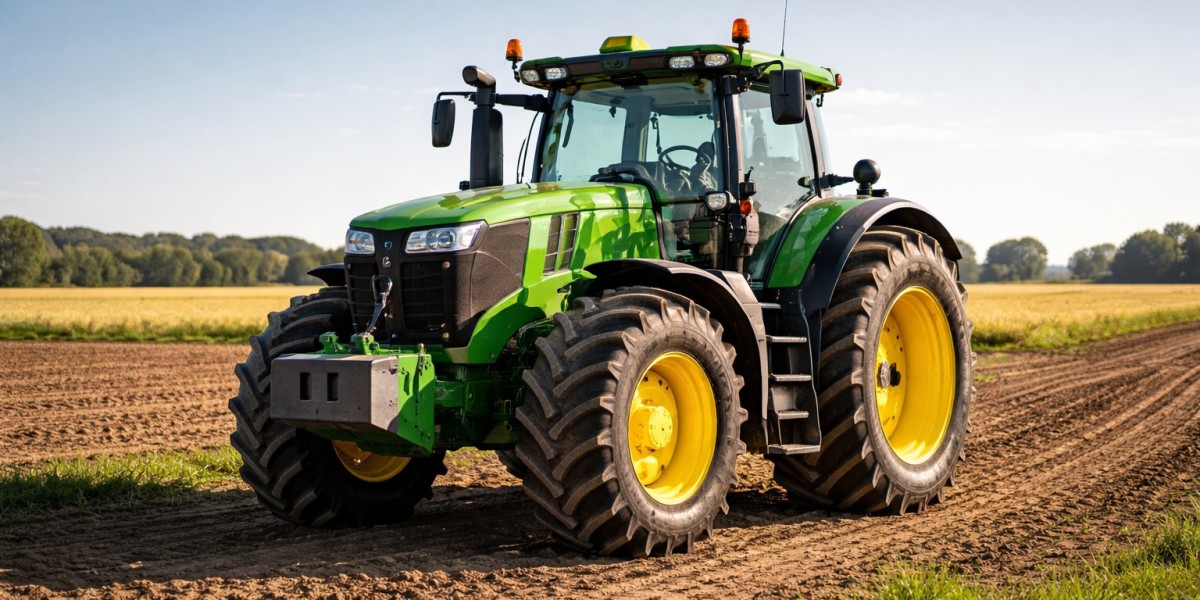


Choosing a suitable tractor is an important decision for farmers because it affects everyday fieldwork, operating expenses, and farm productivity. Swaraj is a well-known tractor brand in India, offering models designed for different agricultural requirements. Farmers can explore its range according to their land size, crop type, and the equipment they use.
Before buying a Swaraj tractor, it is useful to compare the available models rather than choosing one based only on price or engine power. Understanding the machine's specifications and intended applications can help buyers find an option that fits their farming needs.
Overview of Swaraj Tractors
Swaraj tractors are used for various agricultural activities, including soil preparation, cultivation, sowing, and material transportation. Different models offer different power levels and features, allowing farmers to consider machines for small farms as well as more demanding operations.
The right choice depends on the type of work performed throughout the farming season. A farmer who mainly uses light implements may have different requirements from someone who regularly handles heavier equipment. Buyers should therefore assess their daily workload before selecting a model.
Important Features to Compare
Engine Power
Horsepower gives buyers an initial idea of a tractor's working capability. However, the required power depends on the implements, soil conditions, and type of operation. Farmers should choose an engine capacity that meets their actual workload without paying extra for power they may rarely need.
Transmission and Gears
The transmission helps the operator select suitable speeds for different jobs. When comparing Swaraj models, check the number of forward and reverse gears and consider whether the available speed options suit activities such as cultivation, field preparation, and transportation.
Hydraulic Lifting Capacity
The hydraulic system raises and lowers compatible implements. Its capacity is particularly important for farmers who use equipment that requires lifting or adjustment during fieldwork. Always check the manufacturer's specifications and make sure the tractor can safely handle the intended implement.
Two-Wheel Drive and Four-Wheel Drive
Swaraj models may be available with different drive configurations, depending on the model. A two-wheel-drive tractor may suit many routine farming tasks under appropriate field conditions. Four-wheel drive can provide additional traction where the terrain or soil conditions demand it.
Buyers should compare the available configurations based on their land, workload, and budget.
Agricultural Applications of Swaraj Tractors
A suitable Swaraj tractor can support a range of farm operations when matched with the correct implements. These may include ploughing, cultivating, preparing seedbeds, transporting harvested crops, and operating compatible agricultural equipment.
The specific tasks a tractor can perform depend on its power, hydraulic system, transmission, and implement compatibility. Farmers should follow the manufacturer's operating guidelines to avoid overloading the machine or using unsuitable attachments.
For mixed farming, it is helpful to identify the tasks that occur most frequently. This makes it easier to select a model that remains useful throughout the year rather than only during one stage of cultivation.
How to Select a Swaraj Tractor for Your Farm
Before making a purchase, evaluate the following points:
Farm size: Consider the area you cultivate and the time available for completing fieldwork.
Soil type: Assess whether your fields have loose soil, hard ground, wet patches, or uneven sections.
Crop requirements: Identify the operations needed for your crops during different seasons.
Implement compatibility: Check whether the tractor can operate your existing equipment safely.
Budget: Include the purchase price, financing charges, fuel, servicing, and replacement parts.
Service support: Find out whether authorised servicing and spare parts are accessible in your area.
Comparing these factors can help you choose a model that fits your farm rather than relying on general recommendations.
Swaraj Tractor Price and Ownership Expenses
The cost of a Swaraj tractor varies by model, horsepower, configuration, location, and applicable taxes. Optional equipment and dealer charges may also affect the final amount. For this reason, buyers should obtain a current quotation before making a decision.
The purchase price is not the only expense to consider. Fuel consumption, scheduled maintenance, tyres, repairs, and insurance contribute to the overall cost of ownership. Actual running expenses depend on how often the tractor is used and the type of work it performs.
Farmers should compare the total expected expenses of shortlisted models. A tractor that meets their requirements and remains manageable to maintain may offer better value over time than a model selected on the basis of its initial price alone.
Maintenance Tips for Better Performance
Regular maintenance helps keep a tractor in suitable working condition. Owners should follow the service schedule provided by the manufacturer and check important components before starting work.
Inspect the engine oil, coolant, tyres, brakes, lights, and other essential parts according to the operator's manual. Keep air filters clean and examine hydraulic connections for signs of leakage. Any unusual noise, vibration, or change in performance should be investigated promptly.
After working in muddy or dusty fields, clean the tractor as recommended and pay attention to areas where soil and debris may collect. Use the correct replacement parts and approved fluids to support reliable operation.
Conclusion
Swaraj tractors offer farmers options for a variety of agricultural tasks, but the most suitable model depends on individual farm requirements. Engine power, transmission, hydraulic capacity, drive type, and implement compatibility should all be considered before purchasing.
Farmers should also compare current prices, maintenance expenses, warranty conditions, and local service availability. By checking these details carefully, buyers can select a Swaraj tractor that fits their workload and supports their farming activities over the long term.







