

The Future of Sustainable Materials in Modern Fashion
A New Direction for the Fashion Industry
The fashion industry is experiencing a major transformation as designers and manufacturers reconsider the materials used in everyday products. Environmental responsibility, animal welfare, durability, and production efficiency have become important factors in material selection. As a result, innovative alternatives to traditional leather are attracting attention from brands looking to combine quality with more responsible manufacturing practices.
Plant-based biomaterials offer an interesting direction for this transition. Instead of relying entirely on animal hides or conventional synthetic materials, these solutions use renewable biological resources and advanced material engineering. Grain-derived components, plant polymers, and specialized coatings can be combined to create surfaces suitable for a wide range of fashion applications.
Combining Design and Material Innovation
Modern alternatives must deliver more than an environmentally conscious story. They need to provide an attractive appearance, reliable performance, and compatibility with established manufacturing processes. Designers expect materials that can be cut, stitched, embossed, and shaped without compromising the finished product.
This is where companies such as UNCAGED Innovations are contributing to the development of new material technologies. Its approach explores how grain-based proteins can reproduce important structural characteristics associated with traditional leather. More information about this direction is available at https://uncagedinnovations.com/.
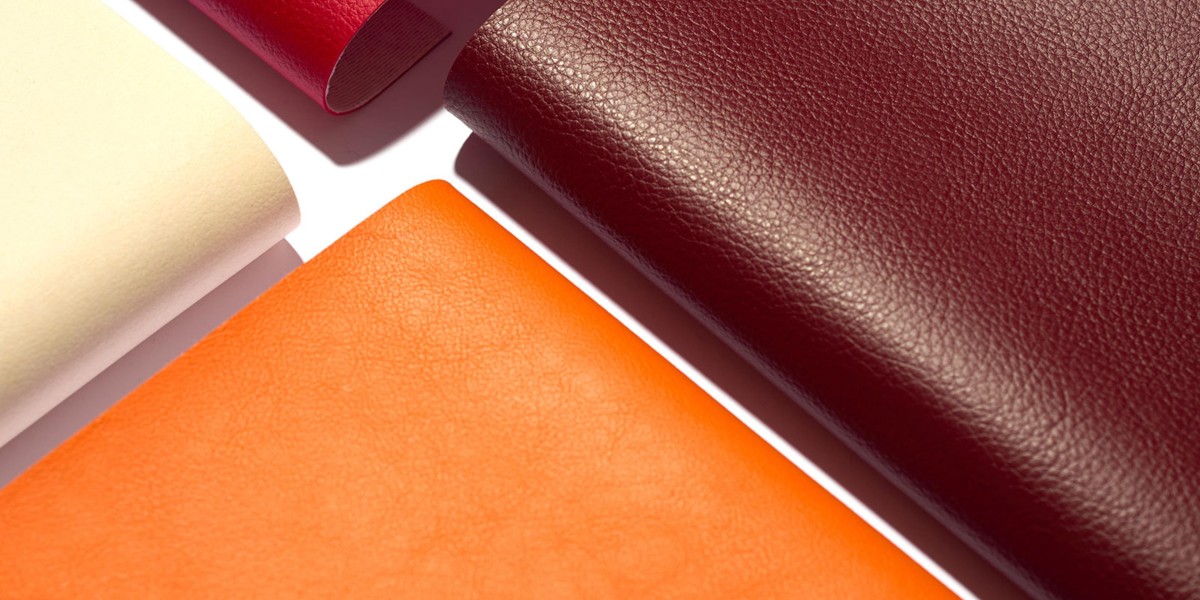
The resulting ELEVATE material is designed for brands that want to explore new possibilities in accessories, apparel, and other creative categories. Its customizable finishes allow product developers to consider different textures, colors, thicknesses, and flexibility requirements.
Why Sustainable Alternatives Matter
Material decisions influence the entire product lifecycle, from raw material sourcing to manufacturing and consumer use. Choosing a suitable alternative can help companies reconsider resource consumption while maintaining the visual identity of their collections.
However, successful innovation also depends on consistency and commercial scalability. Manufacturers need materials that can be supplied in predictable quantities and integrated into existing production systems.







