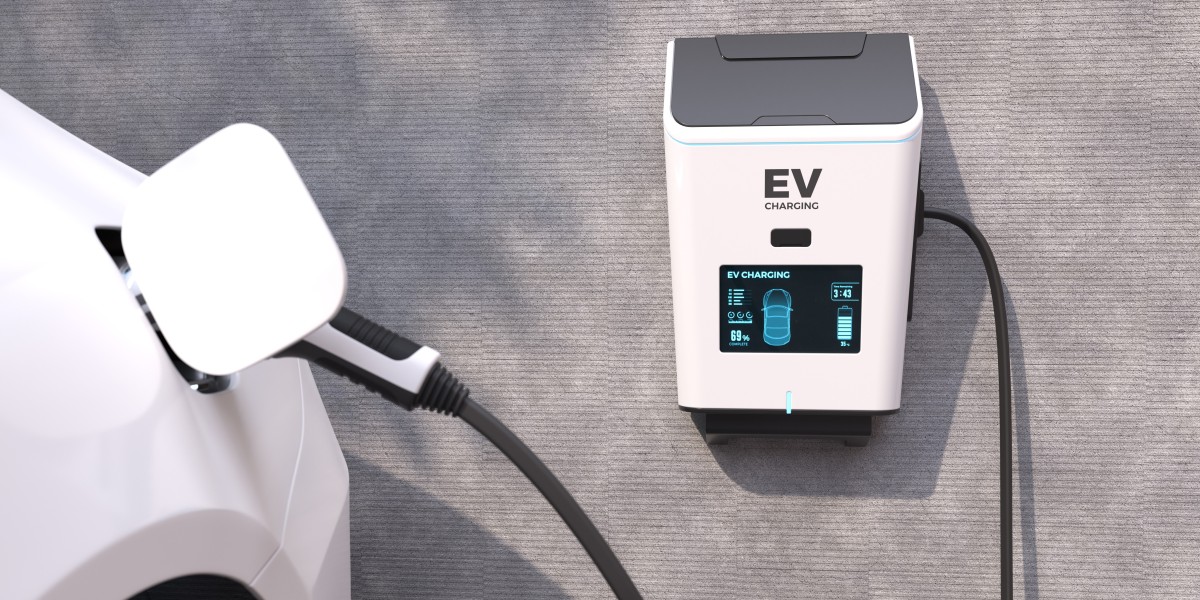


As electric vehicles continue to grow in popularity, more homeowners are considering the benefits of installing a home EV charging station. Convenience, time savings, and reduced reliance on public charging networks are all benefits of charging your car at home.To make sure your charging arrangement is safe, effective, and compatible with your home's electrical system, there are some important points to take into account before proceeding with installation.
Understanding what is involved ahead of time can help you make informed decisions and avoid unexpected costs or complications.
Why Install a Home Charging Station?
While most electric vehicles can be charged using a standard household outlet, this method is often slow and may not provide enough charging capacity for daily driving needs. A dedicated charging station delivers faster charging speeds and greater convenience.
With a professionally installed charging system, you can plug in your vehicle overnight and wake up to a fully charged battery each morning. For many EV owners, this convenience is one of the biggest advantages of owning an electric vehicle.
Evaluate Your Electrical System
Before installing a charger, the first step is assessing your home’s electrical capacity. Not every electrical panel can support the extra load that EV charging equipment requires.
To find out whether your existing system can securely support the charger, a certified electrician may examine your panel, circuits, and entire electrical infrastructure. A panel upgrade could be required in specific circumstances in order to maintain electrical code compliance and supply sufficient power.
Electrical safety is always the first priority at Platinum Electric KC. Overloaded circuits, electrical dangers, and future performance problems can be avoided with proper evaluation.
Choose the Right Charging Level
EV chargers are generally available in two common levels:
Level 1 Charging
Level 1 chargers use a standard 120-volt outlet and require minimal setup. However, charging times can be quite slow, often adding only a few miles of driving range per hour.
Level 2 Charging
Level 2 chargers operate on a 240-volt circuit and provide significantly faster charging. Most homeowners prefer this option because it can fully charge many electric vehicles overnight.
A professional EV charger installation ensures the charger is properly connected, safely wired, and optimized for your vehicle’s charging requirements.
Consider Charger Placement
The location of your charging station plays a major role in convenience and functionality. Most homeowners install chargers inside garages, but outdoor installations are also possible when weather-rated equipment is used.
When selecting a location, consider:
Distance from the electrical panel
Parking habits and vehicle positioning
Cable length requirements
Accessibility for future vehicles
Protection from weather and physical damage
Strategic placement can minimize installation costs while providing easy access for everyday use.
Think About Future EV Needs
Many households are transitioning to multiple electric vehicles. Even if you only have one EV right now, it might be a good idea to budget for future charging demands.
Electricians can assess whether your electrical system can support more chargers in the future during installation. Making advance plans can lower the cost of future upgrades and increase the appeal of your house to potential buyers.
As transportation technology advances, investing in infrastructure now can yield long-term benefits and flexibility.
Energy Usage and Utility Costs
Household electricity consumption rises when an electric vehicle is being charged. You can estimate monthly charges by being aware of your utility rates.
Many utility providers offer time-of-use plans that reduce rates during off-peak hours. Homeowners can optimize savings by programming smart chargers to charge during these lower-cost times.
An electrician can assist in outlining how your charging station will affect energy consumption and offer suggestions for solutions that promote effective operation.
Benefits of Professional Installation
The fact that every property has different electrical considerations surprises a lot of homeowners. Based on your home's layout, electrical capacity, and vehicle needs, an expert evaluation assists in determining the best option.
When you install electric car charger equipment through a trusted electrical contractor, you gain access to expert guidance, code-compliant workmanship, and ongoing support if future upgrades become necessary.
In order to preserve charger performance and warranty coverage, professional installation also guarantees that manufacturer standards are appropriately followed.
Trust Experienced Electrical Professionals
A home EV charging station installation is an investment in efficiency, convenience, and the future of mobility. You may have a secure and dependable charging experience at home by assessing your electrical system, choosing the appropriate charger, comprehending code requirements, and collaborating with trained experts.
Every project at Platinum Electric KC is handled with the same dedication to quality, safety, and truthful service that has won the respect of Kansas City area homeowners. Their crew is committed to completing tasks correctly the first time, whether you require panel updates, electrical enhancements, or EV charging solutions.
As electric vehicles become increasingly common, a professionally installed charging station can help keep your home ready for the road ahead.








