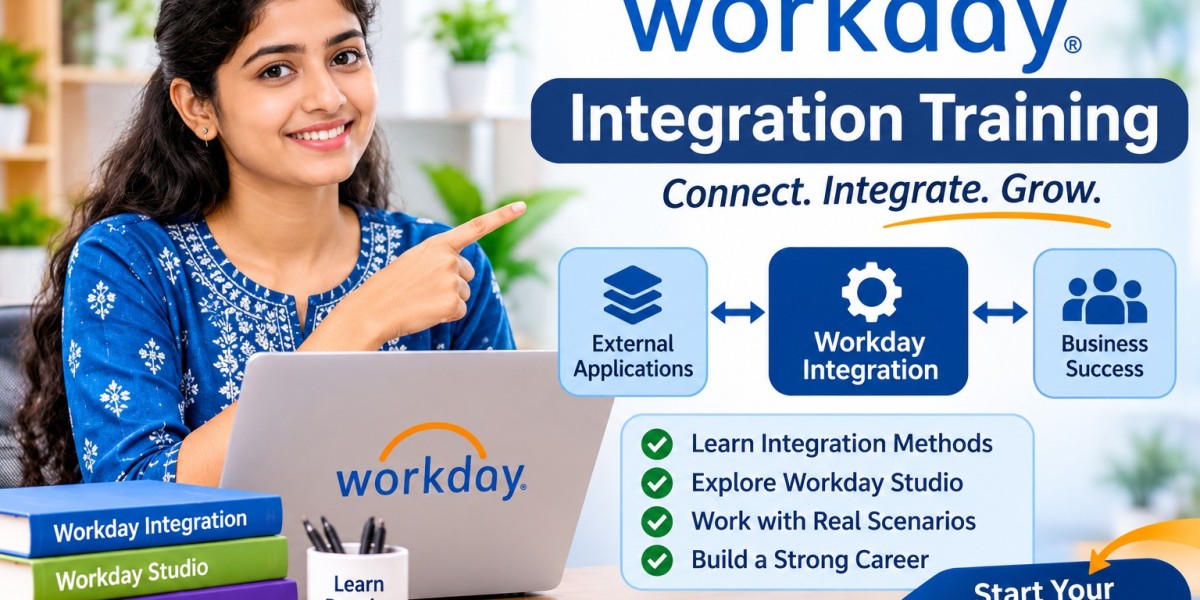


Today, organisations employ a range of software applications to manage employee information, payroll, finance, recruitment and other daily functions. Sharing information separately with each of these systems is cumbersome and time consuming. This could lead to errors and delays as staff will now have to key the same information into different systems. Companies are looking for solutions to these problems that allow their business applications to communicate seamlessly with each other. “The process needs to be slicker, more reliable and a Workday integration is the way forward.
Organisations use it for human resource, finance and workforce information. Many companies also have some of their business processes supported by external applications. Workday integrates with these applications so there’s no interruption in the flow of information. For example, when a new employee is hired, information about him must be sent to payroll, identity management and other internal systems. Better integration process. No re-keying of data. The difference is having the right information to run your departments.
In a Workday integration course, people will learn the basic concepts and technical processes that make this technology tick. Training usually starts with an introduction to Workday and Business applications. Knowing the employee records, the organization structure and the business process is a good start. Once the learners have a good grasp on the concepts, then they can begin to explore integration techniques, data sharing and communication between systems.
So from an information moving perspective it’s important to know the different tools and technologies that make up the Workday integration. There are multiple integration options in Workday including Enterprise Interface Builder (EIB), Workday Studio, Core Connectors, and Workday Web Services. These options can be used in a variety of ways depending on the needs of the project. EIB has a lot of data import/export and very little development. If your integration needs are more complex, use Workday Studio. Core Connectors only carry one type of data.
Another important concept is data transformation The data in one application may not be in the format required by another system. “Integration specialists need to be able to map and transform data and get it in the right format.” XML, XSLT and the like can be useful in a number of different integration situations. You will get to know these concepts well enough to work with different data formats and debug some common technical problems.
A good Workday integration training program helps the learners to understand these processes with the help of real-time examples. "Students need to know how integration is done in real business cases, not just the definition. These areas can create technical confidence: Handling file Sample Integrations Data Mapping & Integration Output Validation The activities also teach students how to troubleshoot when an integration is not working properly.
Enterprise integration in security is another big area. Safeguard financial and employee data. This may contain proprietary information. Integration professionals must know about authentication, access rights, security groups and data protection techniques. And it’s their responsibility to ensure that information is shared only with authorised applications and users. Security guidelines help organisations reduce risk and ensure systems communicate well.
and error handling and monitoring. Bad data, missing fields, connectivity problems or unexpected changes in the source application can break integrations. Professionals should be able to recognise such failures and take appropriate corrective action. This can be by checking the integration events, watching the errors, re-testing the process. These are the skills that keep the business going.
Learning workday integration is difficult in the beginning, you need to acquire functional and technical knowledge. But breaking up the learning into smaller topics is helpful. You are able to develop comfortable learning path starting with the Workday basics, the integration tools, data formats and practical exercises. It is better to learn advanced concepts once than to practise on a regular basis.
Choosing the right platform to learn on is extremely important. Look for a course that gives you a good foundation to learn the basics of integration in a practical way with real world examples from the business world. The trainers in the industry can teach us how to deal with the integration requirement in real world projects. “Let them ask questions and go through a couple of sample scenarios to make it a better learning experience.”
Fresh graduates, IT professionals, HR technology professionals and enterprise application development enthusiasts with knowledge on Workday integration, would have an edge. Some knowledge of programming, databases or business applications will help you relate new concepts to the existing knowledge. At the same time, novices can acquire what they need through step-by-step continuous learning and practice.
Your technical knowledge, project experience and problem solving of business issues are the foundation for opportunities in this area. Applications connectivity, data exchange management, troubleshooting, and maintenance of integrations are areas where organisations need professionals to help them. • Build Workday knowledge and integration skills to prepare participants for careers as Workday integration developers and support staff
And you keep on top of what’s happening in enterprise tech. The business applications are always changing. Companies are constantly releasing new tools and processes. Those who want to continue learning will be able to understand new features and shifts in project demands. Read the technical docs, look at examples, share issues with other learners. Keep on truckin.
Finally, Workday integration is necessary for application connectivity and accurate information throughout the enterprise. These concepts can be learned one by one, and with the help of the available tools and some time for practical exercises, you can gain some practical technical skills. With the right approach to learning and consistent practice, aspiring learners can build a strong foundation, and be ready to grab opportunities in the growing field of enterprise technology.







