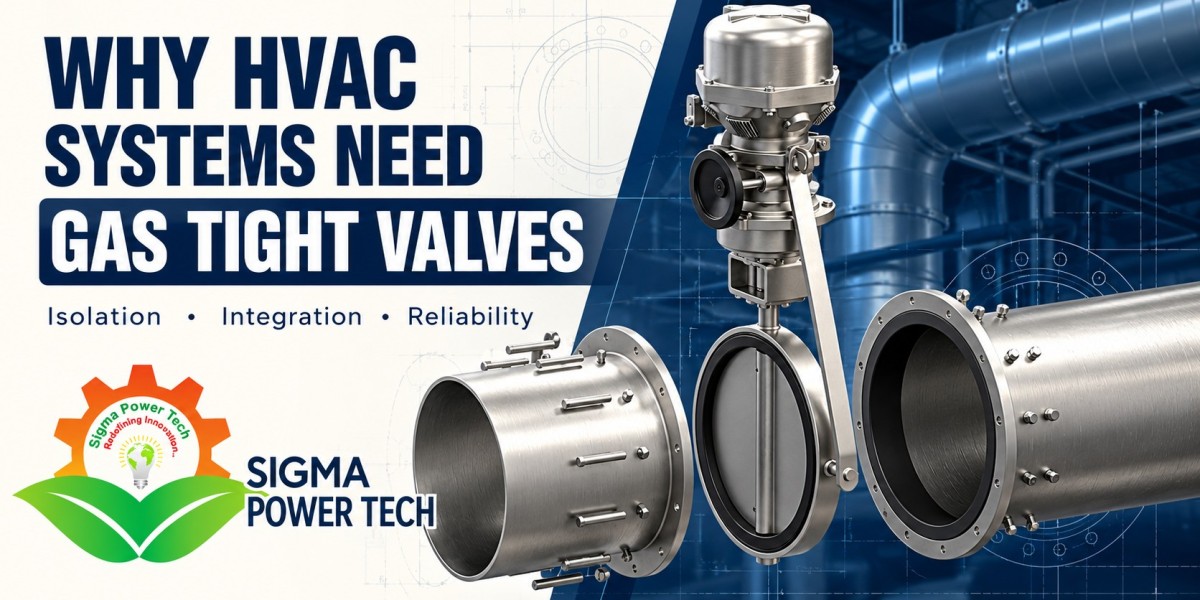


During an emergency can quickly turn an underground bunker into a dangerous environment if contaminated air enters the ventilation system. In these situations, a gas tight valve becomes one of the most important protective components. It isolates the airflow, prevents toxic gases from entering occupied areas, and helps maintain a safe internal atmosphere. When combined with advanced filtration and overpressure systems, a gas tight valve enables bunkers to continue protecting occupants during chemical, biological, radiological, and other hazardous incidents.
For modern protective infrastructure, airtight ventilation is just as critical as reinforced walls.
What is a Gas Tight Valve?
A gas tight valve is a specialised isolation valve installed within ventilation ducts to stop hazardous gases, smoke, chemical vapours, and airborne contaminants from passing through the system. Unlike standard ventilation dampers that simply regulate airflow, gas tight valves are engineered to provide extremely low leakage rates, ensuring an airtight seal whenever emergency isolation is required.
Their primary function is to maintain the integrity of protected environments by preventing outside contaminants from reaching occupants or sensitive equipment.
How Does a Gas Tight Valve Work?
During normal operation, the valve remains open, allowing clean air to circulate throughout the bunker's ventilation system. When hazardous conditions are detected, the valve closes immediately to isolate contaminated airflow.
Depending on the system design, closure can be achieved using:
Manual operating handle
Electric actuator
Pneumatic actuator
Spring-return mechanism for automatic fail-safe operation
Once activated, precision-machined sealing surfaces press firmly against high-performance elastomeric gaskets, creating an airtight barrier inside the duct. This prevents contaminated air from bypassing the valve until trained personnel intentionally reopen it after the threat has been eliminated.
In protective ventilation systems, this rapid isolation is essential for maintaining clean air inside the bunker.
Key Features That Protect Bunkers
The effectiveness of a gas tight valve depends on several important engineering characteristics.
Extremely Low Leakage Rate
The valve is specifically designed to minimise air leakage. High sealing efficiency prevents even small amounts of contaminated air from entering protected spaces.
Pressure Resistance
Protective ventilation systems often operate under controlled overpressure to keep contaminants outside. Gas tight valves maintain reliable sealing under both positive and negative pressure conditions.
Corrosion Resistance
Underground bunkers and industrial environments expose equipment to moisture, humidity, and harsh operating conditions. Stainless steel construction and corrosion-resistant coatings improve long-term durability.
Reliable Actuation
Manual systems provide dependable operation, while electric and pneumatic actuators enable rapid remote activation. Spring-return mechanisms automatically close the valve during power failures, adding another layer of protection.
Emergency Durability
Gas tight valves are designed to withstand repeated operating cycles, vibration, dust, humidity, and temperature variations while maintaining consistent sealing performance.
Integration with Protective Ventilation
A properly engineered gas tight valve HVAC system integrates with HEPA filters, activated carbon filters, blast valves, and overpressure units to provide comprehensive contamination control inside the bunker.
Where are Gas Tight Valves Used?
The most important application is the gas tight valve for bunker, where airtight isolation protects military shelters, underground command centres, emergency operation facilities, and civil defence shelters from hazardous airborne contamination.
A gas tight valve CBRN shelter installation forms a critical part of collective protection systems, working alongside specialised filtration equipment to safeguard occupants against chemical, biological, radiological, and nuclear threats.
Beyond bunkers, gas tight valves are widely installed in:
Chemical processing plants
Oil refineries
Pharmaceutical manufacturing facilities
Research laboratories
Nuclear power stations
Hospitals
High-security government buildings
Industrial ventilation systems handling hazardous materials
In all these facilities, dependable airflow isolation is essential for protecting both personnel and critical operations.
Factors Affecting Gas Tight Valve Price in India
The gas tight valve price depends on several technical and engineering considerations.
Important factors include:
Stainless steel or corrosion-resistant construction
Manual, electric, or pneumatic actuation
Leakage-rate certification and sealing precision
Custom duct sizes and pressure ratings
Compliance with recognised engineering standards
Installation environment and project complexity
Although premium valves typically involve higher upfront costs, they generally deliver superior reliability, longer service life, and reduced maintenance requirements, making them a better long-term investment.
How to Choose the Right Gas Tight Valve Manufacturer
Selecting an experienced gas tight valve manufacturer is essential for ensuring reliable bunker protection.
Before purchasing, evaluate the supplier based on:
Proven experience in defence infrastructure and CBRN protection systems
Engineering expertise in ventilation, filtration, and overpressure integration
Leakage testing and performance validation procedures
Compliance with recognised quality and engineering standards
Ability to customise valves for specific project requirements
Technical support, commissioning assistance, maintenance services, and spare parts availability
Sigma Power Tech Gas tight valve solutions are engineered specifically for defence, industrial, and critical infrastructure projects. Their precision manufacturing, customised engineering, and dependable sealing performance make them suitable for demanding bunker ventilation systems.
Common Mistakes to Avoid
Selecting the wrong valve can reduce the effectiveness of an entire protective ventilation system.
Avoid these common mistakes:
Choosing products based only on purchase price rather than verified sealing performance.
Installing standard dampers instead of certified gas tight valves in high-risk facilities.
Ignoring compatibility with existing HVAC and filtration systems.
Overlooking actuator reliability during power outages or emergency conditions.
Neglecting routine inspection, maintenance, and leakage testing.
Purchasing from suppliers without proven expertise in protective ventilation engineering.
Avoiding these issues significantly improves long-term reliability and occupant safety.
Conclusion
Gas tight valves play a vital role in protecting bunkers by creating an airtight barrier that prevents hazardous gases and airborne contaminants from entering protected spaces. Working alongside filtration and overpressure systems, they help maintain a safe internal environment during chemical, biological, radiological, and industrial emergencies. Whether installed in CBRN shelters, military bunkers, or specialised HVAC systems, choosing the right valve requires careful consideration of sealing performance, engineering quality, and manufacturer expertise—not just the gas tight valve price. By partnering with an experienced company such as Sigma Power Tech, organisations can implement reliable gas tight valve solutions that enhance contamination control, strengthen operational resilience, and provide dependable protection when it matters most.







