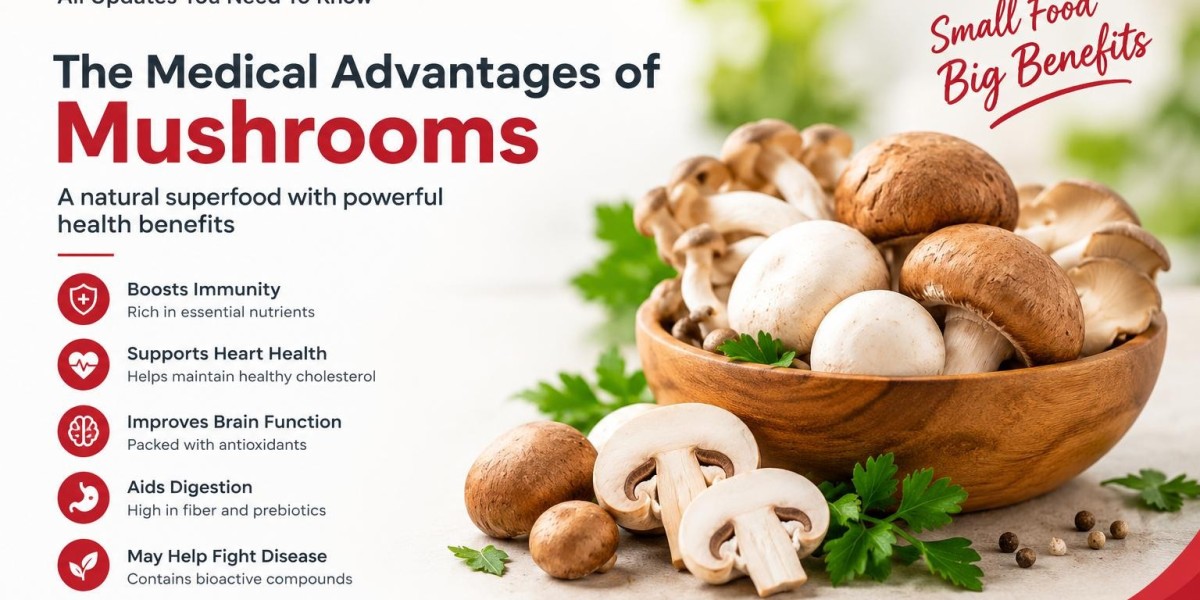


Mushrooms are nutritious foods enjoyed worldwide for their unique flavour, versatility, and potential health benefits. They contain essential nutrients, including B vitamins, selenium, potassium, and dietary fibre. The Medical advantages of Mushrooms include supporting immune function, providing antioxidants, and contributing to a balanced diet. Although mushrooms are not medicines, incorporating edible varieties into regular meals can help promote overall health and wellbeing.
Nutritional Value of Mushrooms
Mushrooms are generally low in calories and fat while providing several valuable nutrients. They contain riboflavin, niacin, and pantothenic acid, which help the body convert food into energy. Certain varieties also provide vitamin D when exposed to ultraviolet light.
Their fibre content supports digestive health, while minerals such as selenium contribute to normal antioxidant defence mechanisms. Nutritional composition varies depending on the mushroom variety, growing conditions, and preparation method.
Major Health Benefits of Mushrooms
1. Supporting Immune Function
Mushrooms contain beta-glucans and other bioactive compounds that may influence immune activity. Adequate nutrition is essential for maintaining normal immune function. However, evidence that eating mushrooms prevents infections or treats immune-related diseases remains limited.
2. Promoting Heart Health
Some mushrooms contain potassium, which contributes to normal blood pressure regulation. Their low saturated-fat content makes them a useful addition to heart-conscious meals. Replacing foods high in saturated fat with vegetables and mushrooms may support a healthier overall dietary pattern.
3. Providing Antioxidants
Another important aspect of the Medical advantages of Mushrooms is their antioxidant content. Mushrooms contain compounds such as ergothioneine and glutathione, which help protect cells against oxidative damage. However, more human research is needed to determine how these compounds affect long-term disease risk.
4. Supporting Digestive Health
Mushrooms provide dietary fibre, including certain prebiotic carbohydrates that can support beneficial gut bacteria. Including them in a varied diet alongside whole grains, fruits, and vegetables can contribute to healthy digestion and regular bowel movements.
How to Include Mushrooms in Your Diet
Fresh mushrooms can be added to soups, salads, omelettes, stir-fries, and vegetable curries. Cooking them thoroughly improves their texture and makes them easier for many people to digest.
The Medical advantages of Mushrooms can be enjoyed as part of a balanced eating pattern rather than through excessive consumption. Choose fresh, commercially sourced edible mushrooms, and avoid unidentified wild varieties because some poisonous mushrooms resemble edible species.
Conclusion
Mushrooms offer valuable nutrients, antioxidants, and dietary fibre while adding flavour to everyday meals. Their potential benefits include supporting normal immune function, contributing to heart-friendly eating habits, and promoting digestive health. Understanding the Medical advantages of Mushrooms helps people make informed dietary choices. Nevertheless, mushrooms should complement a balanced diet and appropriate medical care, not replace prescribed treatments or professional health advice.






