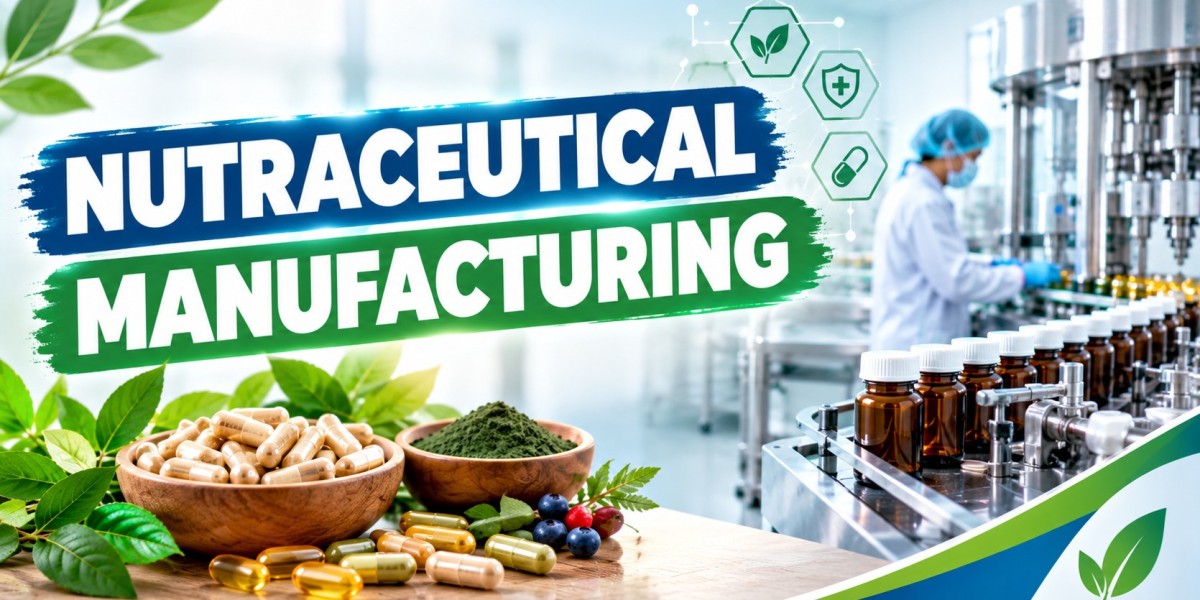


The health supplement market includes a wide range of products designed to meet different nutritional needs. From daily vitamin tablets to protein powders and herbal supplements, each product requires a planned approach before it reaches consumers. Nutraceutical manufacturing involves several activities that help convert raw ingredients into finished products through formulation, processing, quality checks, and packaging.
The process generally starts with product planning. Businesses first decide what type of supplement they want to introduce and who their target customers will be. This helps determine the product's ingredients, dosage form, serving size, and other requirements. A clear product plan also makes communication between the business and manufacturer easier.
Ingredient selection comes next. Manufacturers work with different raw materials, such as vitamins, minerals, amino acids, plant extracts, and other nutritional ingredients. Each material needs to meet the required specifications before it is used. Its compatibility with other ingredients is also considered during formulation development.
Once the formula is finalized, production planning begins. The selected dosage form determines the equipment and processing methods required. Tablets may involve blending and compression, while capsules require suitable filling procedures. Powder supplements need proper mixing to distribute ingredients evenly throughout the blend.
During nutraceutical manufacturing, maintaining suitable production conditions is important for product consistency. Manufacturers follow established procedures for handling materials, operating machinery, and monitoring production activities. Batch records also help track important details, including ingredient quantities and production stages.
Quality control is another essential part of the process. Checks may be performed on incoming raw materials, products during processing, and finished batches. Depending on the supplement, these checks can include appearance, weight, composition, and other relevant specifications. Proper quality procedures help identify potential issues before products are released.
After production and quality checks, supplements are prepared for packaging. The packaging material should be suitable for the product and its storage requirements. Bottles, jars, blister packs, pouches, and sachets are commonly used options. Labels should include accurate product details and follow applicable regulatory requirements.
Businesses entering the supplement industry can consider third-party production if they do not have their own manufacturing facilities. Instead of investing in factory infrastructure, machinery, and production staff, they can work with an established manufacturing company. This allows them to concentrate on branding, sales, and distribution while production is handled externally.
For such businesses, nutraceutical manufacturing services that include formulation support, different dosage forms, packaging, and labelling can simplify product development. However, it is important to evaluate the manufacturer's certifications, production capacity, quality procedures, and experience before finalizing an arrangement.
Another factor to consider is future product expansion. A business may initially launch a single supplement but later plan to introduce additional products. Working with a manufacturer that can handle different product formats and customization requirements can make this transition easier.
Overall, supplement production requires coordination between ingredient sourcing, formulation, processing, quality management, and packaging. Understanding how nutraceutical manufacturing works helps businesses plan their products more effectively and make informed decisions when choosing a manufacturing partner.







