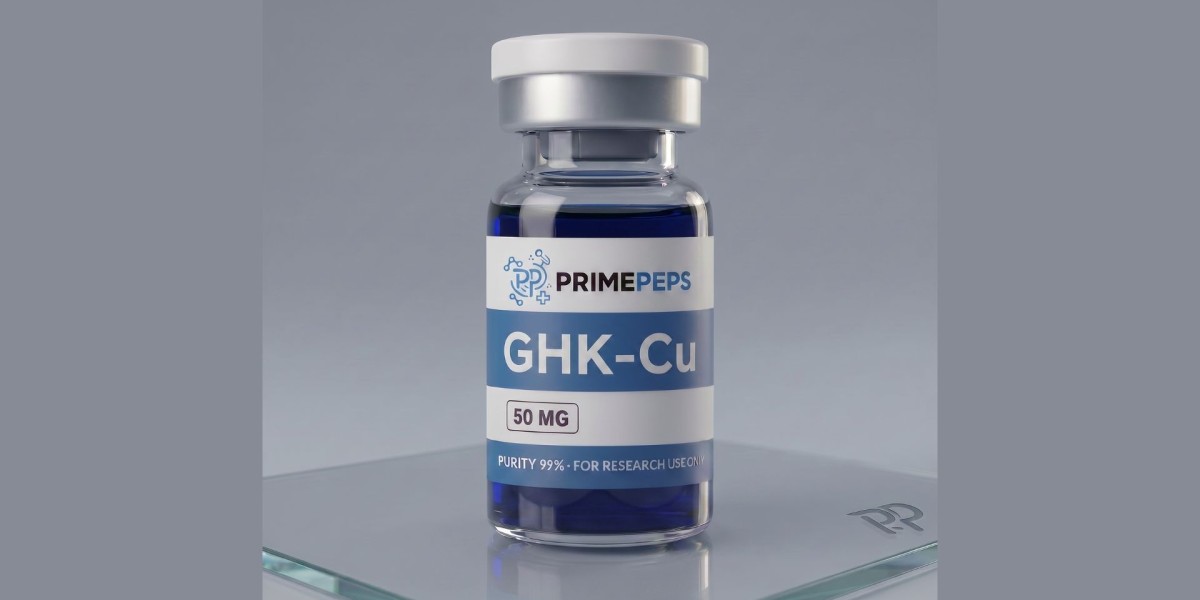


Peptides have become an important subject in modern scientific research. These short chains of amino acids are investigated across several fields, including biochemistry, molecular biology, pharmaceutical science, and cellular research. As interest in peptide science grows, laboratories and qualified research professionals increasingly need reliable information about sourcing, product specifications, and quality standards.
For organisations looking to buy research peptides, choosing an appropriate supplier involves more than comparing prices or browsing product catalogues. Researchers must consider chemical identity, purity documentation, batch consistency, storage conditions, and regulatory requirements. Understanding these factors can help laboratories make informed purchasing decisions and maintain responsible research practices.
What Are Research Peptides?
Research peptides are peptide-based materials intended for controlled scientific investigation. They consist of amino acid sequences that researchers study to understand molecular structures, biological interactions, and cellular processes.
Depending on their composition, peptides may be investigated in areas such as:
Molecular biology and biochemical research
Cellular signalling and protein interactions
Analytical chemistry
Peptide stability and degradation
Laboratory method development
Pharmaceutical research
It is important to understand that research-grade materials are not automatically approved medicines, dietary supplements, or cosmetic products. Their intended use, handling, and distribution must follow applicable regulations.
Where Can Researchers Buy Research Peptides?
Research organisations generally source peptide materials through specialised scientific suppliers, laboratory chemical distributors, and manufacturers that provide appropriate product documentation.
When evaluating potential suppliers, researchers should prioritise transparency and verifiable quality information rather than relying exclusively on promotional descriptions.
A professional supplier should provide clear product identification, relevant specifications, handling information, and available analytical documentation. Buyers should also check whether the supplier operates in compliance with the regulations applicable to their location and intended research activities.
Before placing an order, laboratories should establish whether the supplier can provide the specific material required for their experimental objectives.
7 Important Factors to Consider Before Buying Research Peptides
Selecting an appropriate research material requires careful evaluation. The following factors can help organisations assess suppliers and product information.
1. Product Identity and Specifications
The first step is confirming the exact identity of the peptide. A product listing should clearly identify the material and provide relevant chemical information.
Researchers should examine details such as:
Peptide sequence, where applicable
Molecular weight
Chemical composition
Product identification
Available formulation details
Clear specifications reduce confusion between similarly named compounds and help researchers determine whether a material is suitable for a particular analytical investigation.
2. Purity and Analytical Testing
Purity is an important consideration when sourcing research materials. Impurities or unexpected components may influence laboratory observations and compromise experimental consistency.
Analytical techniques such as high-performance liquid chromatography (HPLC) and mass spectrometry may be used to evaluate peptide characteristics.
However, buyers should understand what each analytical method actually demonstrates. A purity percentage alone does not establish sterility, safety, biological activity, or suitability for human use.
3. Certificate of Analysis
A Certificate of Analysis (CoA) provides information about the testing performed on a particular product batch.
Depending on the material and supplier, documentation may include:
Product or batch identification
Analytical testing methods
Reported purity
Molecular identity information
Testing date
Relevant analytical results
A batch-specific CoA is generally more useful than a generic document that does not identify the material being purchased.
4. Supplier Reputation and Transparency
A supplier's reputation should be evaluated through available business information, documentation, communication, and consistent product descriptions.
Before choosing a provider, examine its website, company contact details, purchasing policies, and product information.
Be cautious of suppliers making unrealistic claims or promising guaranteed biological outcomes without reliable scientific evidence. Responsible providers distinguish laboratory research materials from products intended for medical or personal use.
5. Storage and Handling Information
Peptide stability can depend on environmental conditions. Temperature, moisture, light exposure, and handling procedures may influence the quality of certain materials.
Researchers should review the manufacturer's storage instructions before purchasing. They should also confirm whether appropriate packaging and transportation arrangements are available.
Clear handling information supports better laboratory planning and helps prevent avoidable material degradation.
6. Pricing and Purchasing Policies
Price is another consideration when laboratories buy research peptides. However, the lowest advertised price does not necessarily represent the best purchasing decision.
Compare suppliers based on product specifications, documentation, packaging, shipping conditions, and customer support.
It is also helpful to review minimum order requirements, delivery estimates, refund policies, and any applicable purchasing restrictions before completing an order.
7. Regulatory Compliance
Research peptide regulations differ between countries and may depend on the specific compound, its classification, and intended application.
Before purchasing, organisations should confirm that the material can legally be supplied, imported, possessed, and used for the intended research purpose.
Products identified as research-only should not be purchased or used as substitutes for approved medicines or supplements.
Why Documentation Matters in Peptide Research
Scientific research depends on accurate records and reproducible methods. When laboratories receive a peptide material, they should maintain appropriate documentation covering product identity, batch information, storage conditions, and analytical results.
These records make it easier to investigate unexpected experimental outcomes and compare materials from different batches.
Documentation also supports internal quality-control procedures and improves communication between researchers, laboratory managers, and procurement teams.
For this reason, transparency should be an essential part of any supplier evaluation process.
Common Mistakes to Avoid When Buying Research Peptides
Purchasing decisions can become difficult when buyers focus only on product availability or marketing claims. Several common mistakes are worth avoiding.
Ignoring batch documentation: Generic product descriptions cannot replace relevant batch-specific analytical information.
Choosing solely by price: Extremely low prices may indicate insufficient transparency or missing quality information.
Overlooking storage requirements: Inappropriate storage and transportation conditions may affect material stability.
Trusting unsupported claims: Promotional statements should not be treated as scientific evidence.
Ignoring local regulations: Importation and purchasing requirements should always be checked before placing an order.
Avoiding these mistakes can help research organisations establish more reliable procurement practices.
The Growing Importance of Reliable Peptide Suppliers
As peptide-related research continues to develop, laboratories need suppliers that understand the importance of product identification, quality documentation, and responsible distribution.
A reliable purchasing process should begin with clearly defined research requirements. Buyers can then compare available materials, examine analytical documentation, and confirm that the supplier meets relevant legal and quality expectations.
The goal is not simply to find a product online. It is to obtain appropriately documented research material that meets the requirements of a legitimate scientific investigation.
Conclusion
Knowing where to buy research peptides involves understanding product specifications, analytical testing, supplier transparency, storage requirements, and regulatory compliance.
For research organisations, these factors are essential when evaluating peptide materials and planning laboratory procurement. Careful supplier assessment and accurate documentation can support more consistent research practices.
Rather than relying on promotional promises or price alone, buyers should prioritise verifiable information, responsible sourcing, and compliance with applicable regulations.
Frequently Asked Questions (FAQs)
1. Where can I buy research peptides?
Research organisations generally source peptide materials through specialised scientific suppliers and laboratory chemical distributors. Buyers should verify product specifications, documentation, and applicable purchasing requirements.
2. What should I check before purchasing research peptides?
Review the exact product identity, available purity information, batch-specific Certificate of Analysis, storage instructions, supplier transparency, and relevant regulatory requirements.
3. What is a Certificate of Analysis for research peptides?
A Certificate of Analysis is a document containing analytical information about a specific product batch. It may include identification details, testing methods, and reported purity results.
4. Why is peptide purity important in laboratory research?
Purity information helps researchers understand the composition of a material. Unexpected impurities may affect analytical measurements and experimental consistency.
5. Are research peptides approved for human consumption?
Research-grade peptides are not automatically approved for human consumption, injection, medical treatment, or personal use. Their intended use and regulatory status must be checked carefully.
6. How should research peptides be stored?
Storage requirements depend on the individual compound and its formulation. Researchers should follow the supplier's documented instructions concerning temperature, moisture, light exposure, and handling.







