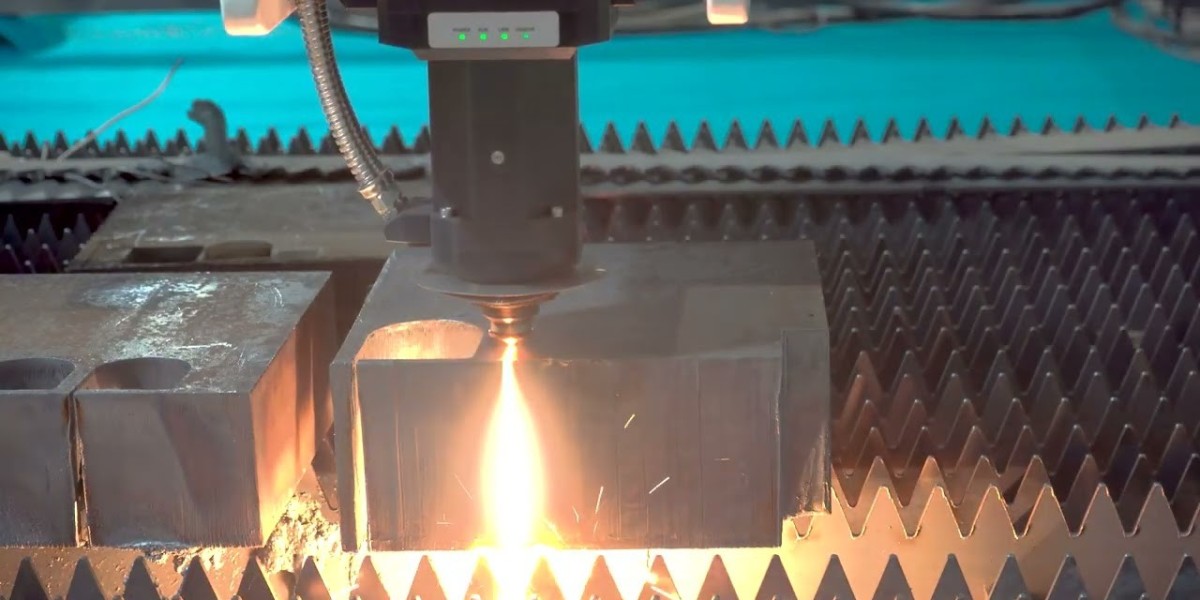


Common Electrical Considerations for Laser Cutter Power Line Installation
Industrial laser cutting machines require a reliable electrical supply to operate their laser sources, motors, cooling systems, and control components. These machines are used in manufacturing facilities for precise material processing and production tasks. However, their performance depends on more than the equipment itself. Businesses must ensure that their electrical infrastructure meets the machine's specifications and supports safe operation. Understanding the common electrical requirements before Laser cutter power line installation helps prevent connection problems and supports dependable industrial operations.
Understanding Laser Cutter Power Requirements
Every laser cutting machine has specific electrical requirements depending on its design, power rating, and operating capacity. These requirements may include voltage, current, frequency, and phase configuration.
Before installing a machine, businesses should review the manufacturer's technical documentation. This information helps determine the type of electrical supply needed and whether the existing facility infrastructure can support the equipment.
Connecting a machine without checking its electrical specifications may lead to compatibility issues, circuit interruptions, or equipment damage. Proper preparation allows electricians to identify the correct connection requirements before beginning installation.
Evaluating Electrical Load and Capacity
Electrical load calculation is an important step when preparing a facility for new industrial equipment. A laser cutting machine adds demand to the existing electrical system, so businesses must determine whether their electrical service and distribution equipment can support it.
Electricians consider the machine's rated electrical requirements along with other equipment operating in the facility. They also evaluate panel capacity, existing loads, and available electrical supply.
If the existing system does not have sufficient capacity, additional circuits or electrical upgrades may be necessary. Evaluating these factors before installation helps reduce unexpected delays and supports better electrical planning.
Selecting the Correct Wire Size
Choosing the correct wire size is essential for a safe and reliable power connection. Electrical conductors must be suitable for the machine's current requirements, circuit length, installation conditions, and applicable electrical codes.
Undersized wiring can overheat when carrying more current than it is designed to handle. This may create electrical hazards and affect equipment reliability.
Electricians consider several factors when selecting conductors, including:
Equipment voltage and current ratings.
Circuit length and voltage drop.
Conductor material and insulation type.
Ambient temperature and installation environment.
Wiring methods and applicable electrical codes.
Expected operating conditions.
Using suitable conductors helps establish a reliable electrical connection for industrial laser cutting equipment.
Understanding Dedicated Circuit Requirements
Some laser cutting machines require dedicated electrical circuits based on their power requirements and manufacturer instructions. A dedicated circuit helps prevent the equipment from sharing electrical capacity with unrelated machinery.
Manufacturing facilities often operate multiple machines simultaneously. Without proper circuit planning, excessive electrical demand can cause overloaded circuits and repeated breaker trips.
An electrician can evaluate the equipment specifications and determine whether a dedicated circuit is necessary. Proper circuit planning helps organize electrical distribution and reduce avoidable interruptions during production.
Grounding and Electrical Protection
Grounding is an important consideration when installing industrial machinery. A properly designed grounding system helps provide a path for fault current and supports the operation of protective devices.
Circuit breakers and other protective equipment must also be selected according to the electrical characteristics of the machine and the installation requirements. These devices help protect circuits against overloads and short circuits.
Businesses should also consider appropriate electrical disconnects for safely isolating equipment during maintenance. Workers should follow established lockout and tagout procedures before servicing electrical machinery.
Checking Electrical Panel Conditions
An electrical panel distributes power to different circuits throughout a manufacturing facility. Before connecting a new laser cutting machine, its condition and capacity should be evaluated.
Important considerations include panel ratings, available capacity, existing electrical loads, breaker compatibility, and available circuit spaces. Having an empty breaker position does not necessarily mean the panel can support additional equipment.
If the existing panel cannot handle the additional demand, an upgrade may be required. A professional electrical assessment helps determine the necessary improvements before the machine is connected.
Managing Cable Routing and Installation Locations
Cable routing is another important part of industrial electrical installation. Electrical wiring should follow suitable installation methods and remain protected from physical damage, excessive heat, and other environmental conditions.
The location of the laser cutting machine should be considered when planning the power connection. Electricians must evaluate the distance between the electrical distribution equipment and the machine to determine appropriate conductor sizing and routing.
Organized cable installation also helps make electrical systems easier to inspect and maintain. Proper planning can reduce unnecessary wiring complications and support a cleaner industrial workspace.
Power Quality and Machine Reliability
Laser cutting equipment may contain sensitive electronic controls that depend on electrical power within specified operating limits. Voltage fluctuations and other power quality issues can contribute to operational interruptions or equipment problems.
Businesses experiencing repeated machine shutdowns or electrical issues should have their power supply evaluated. Electricians can inspect connections, review electrical loads, and identify possible problems within the distribution system.
Where necessary, suitable power quality solutions should be selected according to the machine manufacturer's recommendations.
Professional Electrical Support for Laser Cutting Equipment
Industrial electrical installations require careful planning and knowledge of wiring, electrical loads, grounding, and circuit protection. Working with qualified electrical professionals helps businesses understand their equipment requirements before installation begins.
For businesses seeking Laser cutter power line installation in Costa Mesa, CZ Electric provides industrial electrical services and power connection solutions. Reviewing equipment specifications and existing electrical infrastructure helps establish suitable connections for manufacturing machinery.
Maintaining Industrial Electrical Connections
Electrical systems should be inspected periodically to identify signs of wear, damage, or potential safety concerns. Facility managers should pay attention to loose connections, damaged insulation, unusual heating, and repeated circuit breaker trips.
Regular inspections also help evaluate electrical panels, grounding arrangements, and protective devices. Any repairs or modifications should be completed by qualified electrical professionals.
Businesses should reassess their electrical capacity whenever they introduce additional machinery or make significant changes to their production facilities. This helps ensure that the electrical distribution system continues to meet operational requirements.
Final Thoughts
Proper electrical planning is essential for installing and operating industrial laser cutting machines. Evaluating power requirements, selecting suitable wiring, checking panel capacity, and ensuring appropriate grounding and circuit protection all contribute to dependable equipment operation. Businesses that address these considerations before installation can reduce avoidable electrical problems and prepare their facilities for manufacturing demands. CZ Electric provides residential, commercial, and industrial electrical services throughout Orange County, California, supporting businesses with their electrical installation and equipment power connection needs.







