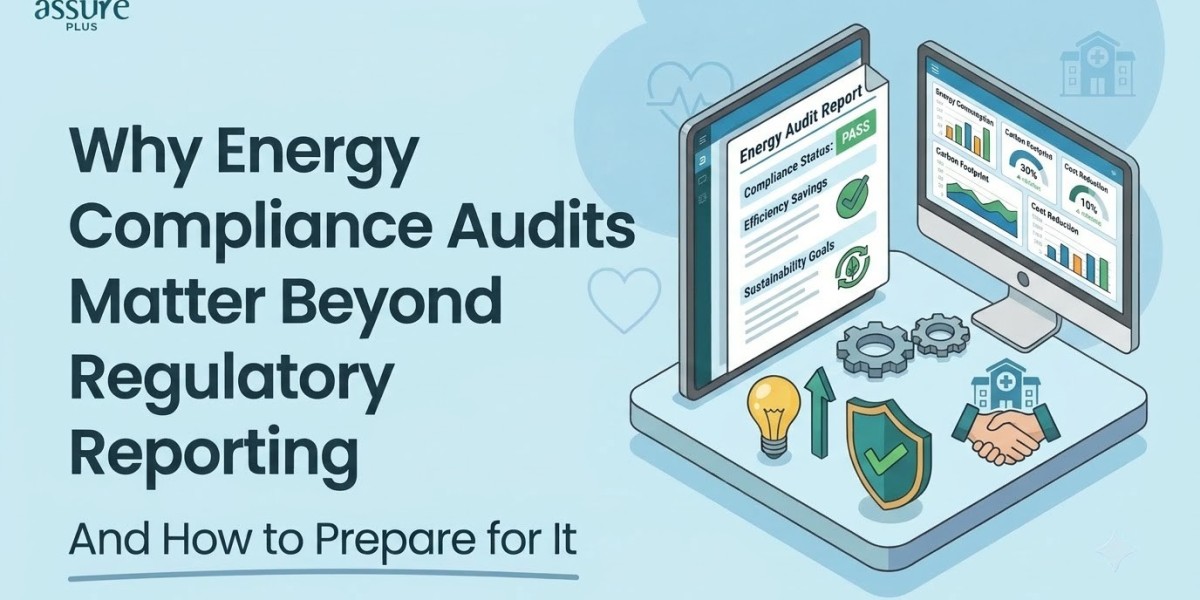


Energy companies face responsibilities that extend across infrastructure reliability, environmental performance, worker safety and customer protection. These obligations can involve different teams, operating locations and regulatory frameworks. A business may have policies covering each area, but policies alone do not demonstrate that controls are working consistently.
Energy compliance audits provide a way to assess how requirements are applied in daily operations. They can reveal gaps between documented procedures and actual practices, helping organisations address weaknesses before they become larger operational or regulatory problems.
Why Is Regulatory Compliance Difficult to Monitor Across Energy Operations?
Energy organisations often manage a wide range of activities, from network maintenance and generation to customer services and environmental monitoring. Each activity can involve different obligations, reporting schedules and evidence requirements.
The challenge is maintaining a consistent view of compliance across these responsibilities. A document stored at one facility may not be available to the central compliance team. A change in a regulatory requirement may also take time to reach the employees responsible for the affected process.
The Australian Energy Regulator's 2026–27 Compliance and Enforcement Priorities highlight areas including consumer vulnerability, smart meter rollout, power system security, network compliance and gas market reporting. These priorities illustrate why energy businesses need to monitor both their formal obligations and the practical controls used to meet them.
A structured audit programme can help test whether those controls are operating as expected. AssurePlus offers automated audit planning, evidence management and reporting workflows to help organisations centralise audit information and monitor findings through to completion.
How Can Utilities Connect Environmental and Safety Controls With Governance?
Environmental and workplace safety responsibilities are often managed by different departments, but their risks can overlap. A maintenance activity, for example, may involve contractor safety, equipment condition, waste handling and environmental controls.
Reviewing these areas in isolation can make it harder for management to understand the combined exposure. A connected GRC framework helps organisations link risks, obligations, controls, incidents and audit findings within a common management process.
AssurePlus addresses these requirements through its GRC solutions for energy and utilities. Its sector-focused capabilities cover environmental compliance monitoring, workplace health and safety audits, critical infrastructure reporting and operational risk management.
This type of approach can also support more consistent reporting across sites. Management can identify recurring findings, compare control performance and direct resources towards areas that need attention.
What Makes an Audit Programme Useful for Long-Term Governance?
A useful audit programme does more than confirm whether a requirement has been met at a particular point in time. It helps management understand whether controls remain effective as operations, assets and regulatory expectations change.
Audit findings should be classified according to their significance, assigned to accountable owners and monitored until the agreed actions are completed. Organisations should then review whether those actions have reduced the original risk.
The AER's compliance procedures and guidelines describe reporting and compliance audit processes for relevant energy retailers and distributors under the National Energy Retail Law. Maintaining accurate and consistent compliance information supports effective regulatory oversight.
Conclusion
Energy compliance audits help utilities understand whether their controls are effective across complex operations. When audit findings are connected with environmental, safety and infrastructure risks, management gains a more complete view of organisational performance. Consistent evidence, clear accountability and timely corrective action can strengthen governance while supporting reliable and responsible energy services.







