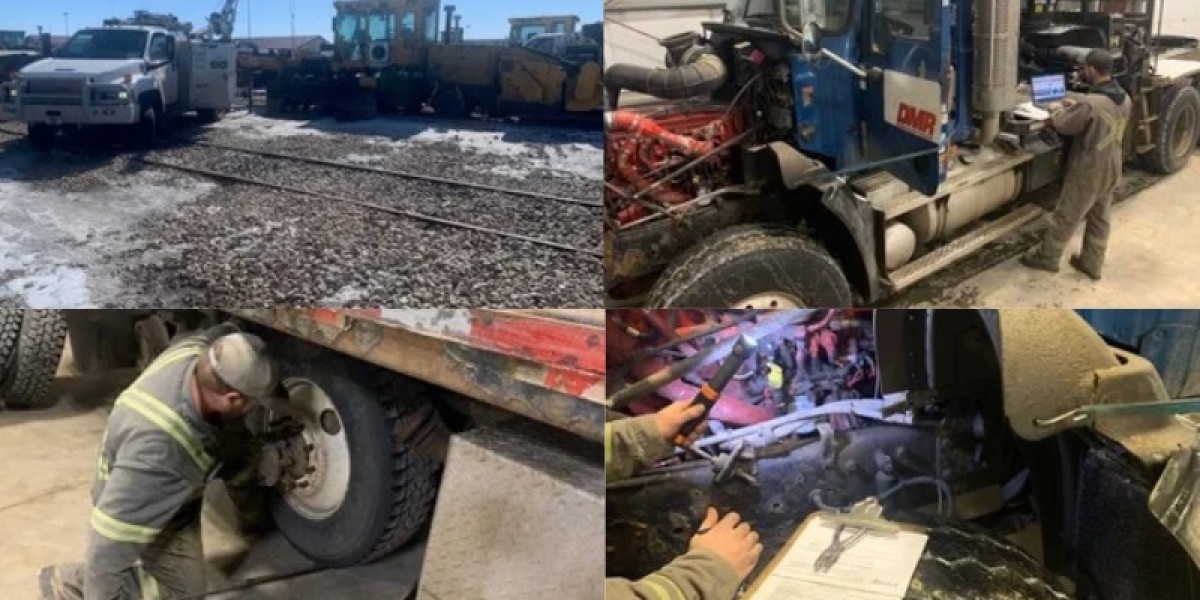


Diesel engines are the undisputed workhorses of the transportation, construction, and logistics industries. Known for their unparalleled torque, longevity, and superior fuel efficiency, these powerplants are specifically designed to haul immense loads across punishing distances. However, even the most robust machinery is not immune to wear, tear, and mechanical degradation. When a heavy-duty diesel engine begins to show signs of distress, brushing it off as a mere quirk can be a catastrophic and highly expensive mistake. For fleet managers and owner-operators alike, staying ahead of mechanical failures is the absolute key to profitability, compliance, and highway safety.
Partnering with a reliable maintenance provider like DMR Diesel ensures your fleet remains in peak operating condition year-round. In this comprehensive guide, we will explore the most common diesel engine problems that should never be ignored, helping you identify early warning signs before they escalate into complete engine failure and devastating downtime.
1. Abnormal Exhaust Smoke
A well-maintained diesel engine operating under normal conditions should emit very little visible smoke once it has reached its optimal operating temperature. If you start noticing thick plumes of smoke billowing from the exhaust stack, your engine is actively communicating a severe internal problem. The specific color of the smoke serves as a critical preliminary diagnostic tool:
Black Smoke: This indicates a fundamental imbalance in the air-to-fuel ratio, meaning the engine is burning too much fuel and not receiving enough air. It is frequently caused by faulty or leaking fuel injectors, a clogged engine air filter, a malfunctioning turbocharger, or a compromised EGR (Exhaust Gas Recirculation) valve. Ignoring continuous black smoke leads to terrible fuel economy, sudden loss of power, and excessive carbon buildup that can eventually choke the engine.
White Smoke: White smoke typically points to raw, unburned diesel fuel passing entirely through the exhaust system. This can be caused by damaged piston rings, incorrect engine timing, or low cylinder compression. However, if the white smoke is thick and smells noticeably sweet, it is highly likely that coolant is leaking into the combustion chamber due to a blown head gasket, a cracked cylinder head, or a warped engine block—a severe, terminal issue requiring immediate engine teardown.
Blue Smoke: Continuous blue smoke means the engine is actively burning its own lubricating oil. Worn valve guides, damaged piston rings, or scored cylinder walls are the usual culprits. Allowing this to continue will eventually starve the engine of vital lubrication, leading to catastrophic internal damage and a guaranteed engine replacement.
2. Hard Starting or Prolonged Cranking
Unlike gasoline engines, diesel engines rely strictly on high compression to ignite the fuel-air mixture. Because of this, they require a robust battery, fully functional glow plugs (or intake air heaters), and flawless fuel delivery to start reliably. If your engine hesitates, cranks for an extended period, or simply refuses to turn over, it is a glaring red flag that something is fundamentally wrong in the ignition sequence.
During the colder winter months, hard starting is often attributed to gelled diesel fuel or failing glow plugs that cannot generate enough heat to assist combustion. However, if the starting issue persists in warm weather or a heated commercial garage, it points to much more severe mechanical problems. These could include a loss of engine compression (meaning the cylinders can no longer squeeze the air tight enough to generate ignition heat), fuel delivery issues such as a failing low-pressure lift pump, or air intruding into the high-pressure fuel lines. Constantly forcing a hard-starting engine places immense strain on the starter motor and the vehicle's electrical system, transforming a simple fix into a cascading series of electrical and mechanical failures.
3. Noticeable Loss of Power and Sluggish Acceleration
Heavy-duty trucks are engineered to conquer steep mountainous grades and haul massive payloads without faltering. When a driver reports a sudden or gradual loss of power, it severely compromises the vehicle's capability, safety, and delivery schedule. A drop in horsepower or sluggish acceleration is most frequently linked to fuel starvation. Clogged fuel filters are the most common offenders, physically restricting the flow of clean diesel to the injectors under heavy load.
Alternatively, the issue might stem directly from the air intake side, specifically the turbocharger. A failing turbocharger, worn impellers, or a massive boost leak in the charge air cooler piping will drastically reduce the volume of compressed air entering the engine, choking its performance and causing exhaust temperatures to skyrocket. Other potential causes include restricted exhaust systems, malfunctioning electronic sensors, or sticking EGR valves. Because these issues directly impact drivability and fuel consumption, they demand professional Diesel Engine Repair to accurately diagnose the root cause and restore the powertrain to its optimal performance parameters before further damage occurs.
4. Unusual Engine Noises and Rhythmic Knocking
Diesel engines are inherently noisy machines. The characteristic loud clatter is a natural byproduct of high-compression ignition. However, seasoned drivers and fleet mechanics know the distinct difference between the normal rhythmic hum of a healthy diesel and the jarring, erratic sounds of an engine in serious distress.
If you begin to hear a distinct, loud knocking sound, it is time to pull the vehicle over immediately. Engine knocking (often referred to as diesel detonation) can be caused by severe fuel injector issues, where fuel is being sprayed unevenly, too early, or too late in the combustion cycle. Even more concerning, a deep, heavy, rhythmic knocking emanating from the bottom end of the engine block often points to worn main bearings or connecting rod bearings. This is the literal sound of metal violently striking metal. If ignored for even a few more miles, the bearings can completely seize, or a connecting rod can be violently thrown right through the side of the engine block. Catching these acoustic anomalies early is the critical difference between replacing a single faulty injector and having to pay for a total engine rebuild.
5. Fluid Contamination and Unexplained Leaks
The vital fluids within a diesel engine—specifically lubricating oil, engine coolant, and diesel fuel—must remain strictly within their designated pathways and galleys. When these fluids begin to mix with one another, or when they escape the engine entirely and pool on the ground, a major mechanical disaster is usually imminent.
Regularly checking your engine oil dipstick is a non-negotiable aspect of heavy-duty maintenance. If the oil appears milky, frothy, or resembles a chocolate milkshake, engine coolant has breached the lubrication system. This is typically due to a failed head gasket, a cracked engine block, or a ruptured internal oil cooler. Coolant instantly destroys the lubricating properties of engine oil, leading to rapid and irreversible bearing failure.
Similarly, if the engine oil smells strongly of raw diesel fuel, or if you notice the oil level on the dipstick is inexplicably rising over time, fuel is actively diluting the oil. This is often the result of leaking internal fuel injectors or a failing high-pressure fuel pump. External leaks of coolant, oil, or diesel fuel also pose severe environmental hazards, extreme fire risks, and mechanical dangers. Given the sheer size and immense complexity of these modern powertrains, addressing fluid contamination falls squarely under the realm of comprehensive Heavy-Duty Truck Repair, requiring highly specialized diagnostic tools, heavy lifting equipment, and expert engine teardown capabilities.
6. Overheating and Cooling System Failures
Diesel engines generate an immense amount of thermal energy, and their heavy-duty cooling systems are designed to manage this massive heat load efficiently under extreme stress. Overheating is a critical, code-red issue that should trigger an immediate and safe shutdown of the vehicle.
If the dashboard temperature gauge suddenly spikes into the red zone, it could be due to a wide variety of factors: a stuck thermostat, an internally clogged or externally blocked radiator, dangerously low coolant levels, a failed water pump impeller, or a slipping fan belt. Continuing to drive an overheating heavy-duty truck, even to make it to the next exit, will warp the aluminum cylinder head, score the pistons, and ultimately seize the entire engine block. Fleet managers must heavily enforce strict pre-trip and post-trip inspections to ensure coolant levels are topped off and there are no visible leaks around the radiator, water pump, or heavy-duty silicone hoses. An overheating event is never a random fluke; it is always a glaring symptom of a compromised cooling system that requires immediate intervention.
7. The True Cost of Ignoring Warning Signs
In the fast-paced, high-pressure world of freight, construction, and logistics, the temptation to push a struggling truck "just one more trip" or "just to the end of the week" is incredibly high. However, ignoring the common diesel engine problems outlined above is a high-stakes gamble that operators and fleet managers rarely, if ever, win.
A minor, inexpensive fuel injector issue left unchecked can quickly melt a piston. A small, seemingly innocent coolant leak can lead to catastrophic engine overheating and a warped cylinder head. The financial implications of ignoring these issues extend far beyond the raw cost of the replacement parts themselves. Unplanned catastrophic breakdowns result in exorbitant heavy-duty towing fees, missed delivery deadlines, severely damaged corporate reputations, and the potential loss of highly valuable or perishable cargo. More importantly, pushing a compromised heavy-duty vehicle endangers the driver and the general public on the highway. Preventative maintenance and rapid, immediate responses to dashboard warning signs are the most effective, proven strategies for minimizing expensive downtime and maximizing the long-term return on investment for your commercial fleet.
8. Why Immediate Expert Attention is Essential
When your fully loaded heavy-duty truck breaks down on the side of a busy highway or in a remote staging area, time is of the absolute essence. You cannot always afford the time, or the massive towing bill, to limp the crippled vehicle to a traditional brick-and-mortar repair facility.
This is precisely where dynamic, on-demand roadside repair solutions become an invaluable asset to any fleet. Having reliable access to highly responsive, professional Mobile Heavy-Duty Repair services ensures that an expert, certified technician can be immediately dispatched directly to your breakdown location. Equipped with advanced computer diagnostic tools, heavy-duty jacks, and the critical replacement parts necessary to address the issue right on the shoulder of the highway, mobile mechanics act as an operational lifeline. Whether you are suddenly dealing with a total loss of turbo power, an alarming engine knock, or a massive fluid hemorrhage, mobile repair teams rapidly minimize your costly downtime, eliminate towing fees, and prevent further internal engine damage by successfully addressing the mechanical problem exactly where the truck stands.
Protecting Your Heavy-Duty Assets
Commercial diesel engines are genuine marvels of modern engineering, fully capable of incredible feats of endurance, torque, and reliability. Yet, despite their rugged construction, they require vigilant, observant operators and highly proactive maintenance schedules to survive the grueling, non-stop demands of heavy-duty commercial applications.
From the ominous, telling colors of exhaust smoke to the subtle, dangerous changes in engine acoustics and vibration, these massive machines communicate their mechanical needs clearly to anyone willing to listen. By committing to never ignoring these early warning signs and immediately addressing abnormal sounds, sudden performance drops, and hazardous fluid leaks, you actively protect your livelihood, your drivers, and your highly valuable assets. Prioritize regular fleet inspections, listen closely to your drivers' daily feedback, and build a strong, lasting relationship with specialized diesel technicians to ensure your heavy-duty trucks stay safely on the road, generating revenue exactly where they belong.







