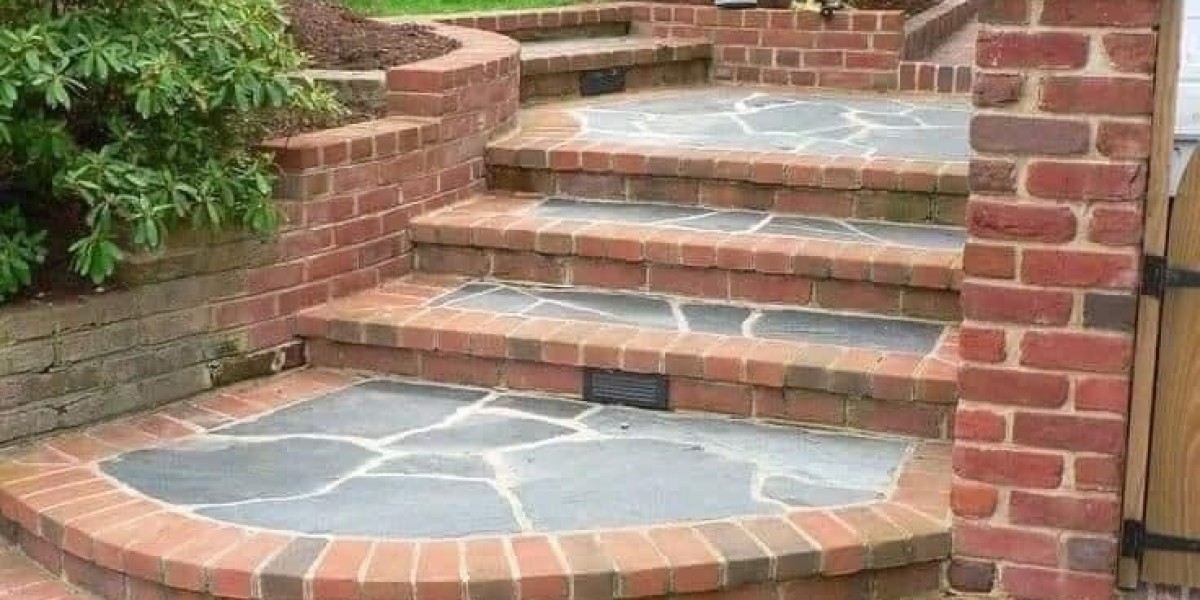


The Importance of Well-Built Outdoor Steps
Outdoor steps provide a practical connection between different levels of a property while contributing to its overall appearance. Whether leading to a front entrance, garden, patio, or walkway, they should be comfortable to use and built to handle regular foot traffic. Careful planning and quality construction help create steps that remain functional and attractive through changing weather conditions.
Choosing the Right Materials
The materials used for outdoor steps affect their strength, appearance, and maintenance needs. Brick and Stone Steps Contractors Bronx NY can help property owners consider different options for improving an entrance or outdoor space. Brick offers a classic appearance with a range of color choices, while natural stone provides distinctive textures and patterns. The right material should complement the building and suit the intended use of the steps.
Planning the Step Design
A successful project begins with a clear design. The available space, height difference, surrounding landscape, and location of the steps all influence the layout. Steps should provide a natural path of movement without feeling too steep or narrow. Planning these details in advance also helps ensure the finished structure fits the property and connects smoothly with nearby walkways, entrances, or outdoor areas.
Creating a Stable Foundation
A dependable foundation is essential for outdoor steps. If the ground beneath the structure is unstable or poorly prepared, the steps may shift, settle, or develop uneven surfaces over time. Site preparation may involve removing loose soil, addressing existing materials, and creating a suitable base. Proper support helps distribute weight and contributes to the long-term stability of the finished construction.
Understanding Step Dimensions
Comfort and safety depend partly on the dimensions of each step. The height of each riser and the depth of each tread should remain consistent throughout the staircase. Uneven dimensions can make walking uncomfortable and increase the chance of missteps. The total rise and available space should be measured carefully so the layout provides a practical transition between the lower and upper levels.
Working With Experienced Construction Professionals
Outdoor step construction requires attention to layout, materials, support, and finishing details. A Local Construction Company Bronx NY can help property owners review the site and understand the work needed for a new installation or renovation. Discussing the project scope, material choices, access, and expected schedule before work begins can make the process easier to manage and help establish clear expectations.
Selecting a Style That Fits the Property
Brick and stone steps can be designed in many styles, from traditional arrangements to more modern layouts. Brick may coordinate well with classic masonry exteriors, while natural stone can create a more textured appearance. Color, pattern, edge details, and the surrounding landscape all influence the final look. Choosing a style that complements the property helps create a cohesive outdoor environment.
Addressing Drainage and Weather
Outdoor steps are exposed to rain, snow, temperature changes, and other weather conditions. Water should not collect on the treads or around the foundation. Proper grading and drainage planning help direct moisture away from the structure. In areas that experience freezing conditions, water management is especially important because trapped moisture may contribute to surface damage or movement over time.
Improving Safety and Accessibility
Steps should be easy to recognize and comfortable to use. Consistent dimensions, stable surfaces, and suitable handrails where needed can improve everyday usability. The surrounding area should also provide enough space for people to approach and leave the steps comfortably. For properties with frequent visitors or family members who need additional support, safety considerations should be included early in the design process.
Maintaining Brick and Stone Surfaces
Regular maintenance can help preserve the appearance and function of outdoor steps. Removing dirt, leaves, and debris helps prevent buildup, while occasional inspections can reveal loose materials, damaged joints, or surface changes. Minor concerns should be addressed before they become more extensive problems. Maintenance needs vary depending on the material, weather exposure, and amount of foot traffic the steps receive.
Repairing Existing Steps
Older steps may show signs of wear, movement, or damage. Cracked masonry, loose bricks, uneven treads, or deteriorating mortar can affect both appearance and usability. The right repair approach depends on the cause and extent of the problem. A careful assessment can help determine whether localized repairs are suitable or whether a larger reconstruction may be needed to restore stability.
Making a Lasting Outdoor Improvement
Well-designed brick and stone steps can improve the function and appearance of a property. Material selection, careful measurements, foundation preparation, and drainage all contribute to a dependable result. By considering these details before construction begins, property owners can make informed choices and create an outdoor feature that connects different areas of the property while complementing its overall design.







