

Why Pet Odors Need Proper Attention
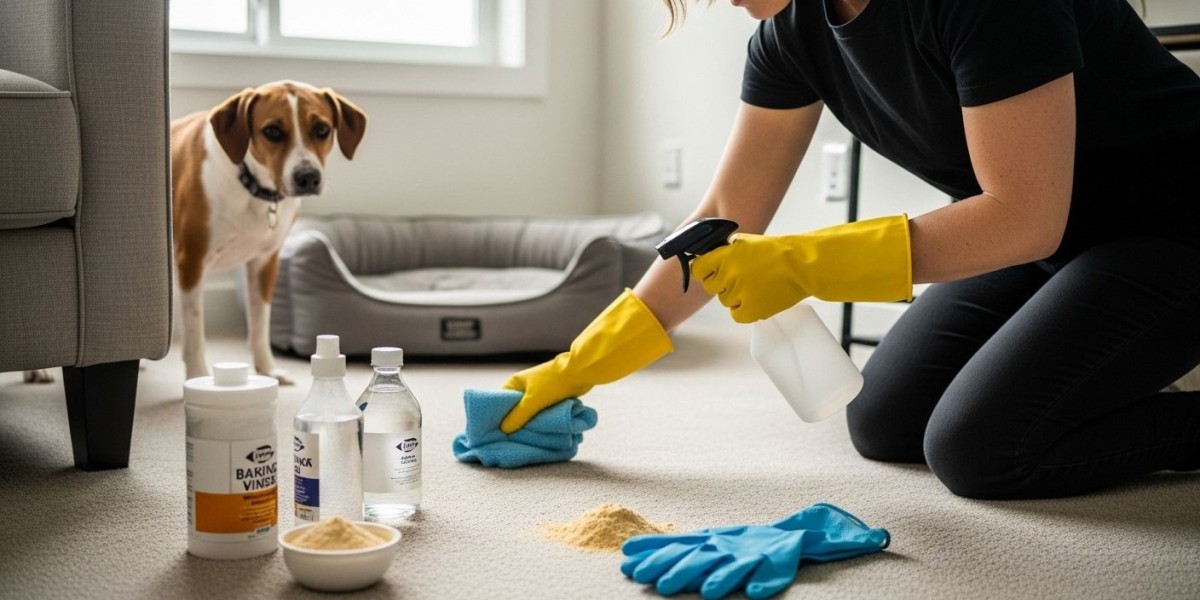
Pets bring comfort and companionship, but accidents can leave unpleasant smells inside a home. Urine, vomit, and other organic residues may soak into carpet fibers and reach the padding underneath. Simply covering the smell with air fresheners may provide temporary relief without addressing the source. Proper cleaning focuses on removing residue and treating the affected areas to improve indoor freshness.
Understanding Enzyme-Based Cleaning
Enzyme products are designed to target organic materials that contribute to certain pet odors. Enzyme pet odor cleaner service Chicago IL can help address areas affected by pet accidents through treatments intended to break down odor-causing residues. The effectiveness of a treatment depends on the product, the type of contamination, and how deeply the material has penetrated. Following the correct application process is important for achieving better results.
Why Carpet Fibers Hold Odors
Carpet can absorb liquids quickly, especially when an accident is not discovered immediately. The moisture may travel through the fibers and settle into the backing or padding. Even after the visible area appears clean, remaining residue can continue producing unpleasant smells. This is why surface wiping alone may not be enough when dealing with older or repeated pet accidents.
Identifying the Affected Areas
Finding the full extent of an odor problem is an important part of the cleaning process. A visible stain may not show how far liquid has spread beneath the carpet. Some affected areas may also be difficult to locate once they have dried. Checking the surrounding carpet and identifying previous accident locations can help determine where treatment and additional cleaning may be necessary.
Choosing the Right Cleaning Method
Different carpet materials and stains require different cleaning approaches. A method suitable for synthetic fibers may not be appropriate for delicate natural materials. Cleaning professionals consider the carpet type, stain condition, odor intensity, and extent of contamination before selecting a treatment. Using suitable products and equipment helps reduce the risk of fiber damage while addressing the cleaning problem.
Professional Treatment for Pet-Related Odors
Persistent pet smells can require more than ordinary household cleaning. Pet Odor Carpet Cleaning focuses on treating affected carpet areas and removing residues that contribute to unpleasant indoor smells. Depending on the situation, the process may involve identifying contaminated sections, applying an appropriate treatment, and using suitable cleaning equipment. The goal is to address the source rather than simply mask the odor.
The Importance of Treating Stains Early
Fresh pet accidents are generally easier to address than stains that have remained untreated for a long period. When an accident occurs, removing excess moisture promptly can help limit how deeply it penetrates the carpet. Blotting with a clean absorbent material is usually preferable to rubbing, which may spread the stain or push residue farther into the fibers.
Avoiding Common Cleaning Mistakes
Some cleaning habits can make pet odor problems more difficult to resolve. Using too much water may allow moisture to reach the padding, while strong fragrances can hide smells without removing their source. Certain household products may also be unsuitable for specific carpet materials. It is important to follow product instructions and test cleaning solutions in an inconspicuous area when appropriate.
Protecting Carpet During Treatment
Carpets need careful handling during stain and odor removal. Excessive scrubbing, unsuitable chemicals, or aggressive equipment can affect fiber texture and color. A suitable treatment should account for the carpet's construction and condition. Professional cleaning can be particularly useful when the affected area is large, the odor has returned after previous attempts, or the carpet requires specialized attention.
Maintaining a Fresher Indoor Environment
Regular carpet care can help reduce dirt and residue that accumulate through everyday use. Vacuuming removes loose debris, while promptly addressing spills and pet accidents can prevent stains from becoming more difficult to manage. Pet bedding and frequently used resting areas should also receive regular attention because they can contribute to odors throughout the home.
Knowing When Additional Work Is Needed
Some odors remain even after the carpet surface has been cleaned because contamination has reached the underlying padding or subfloor. In these situations, additional treatment or repair may be necessary. The appropriate solution depends on the extent of the damage and the condition of the materials beneath the carpet. A careful assessment can help determine whether cleaning alone is likely to be sufficient.
Keeping Carpets Cleaner and More Comfortable
Pet accidents do not always mean that carpet needs to be replaced. With suitable products, careful treatment, and timely attention, many odor problems can be addressed. Understanding how residues affect carpet fibers and underlying materials helps homeowners choose a practical cleaning approach. Consistent maintenance and prompt action can also make it easier to keep living spaces comfortable and pleasant for both pets and people.







