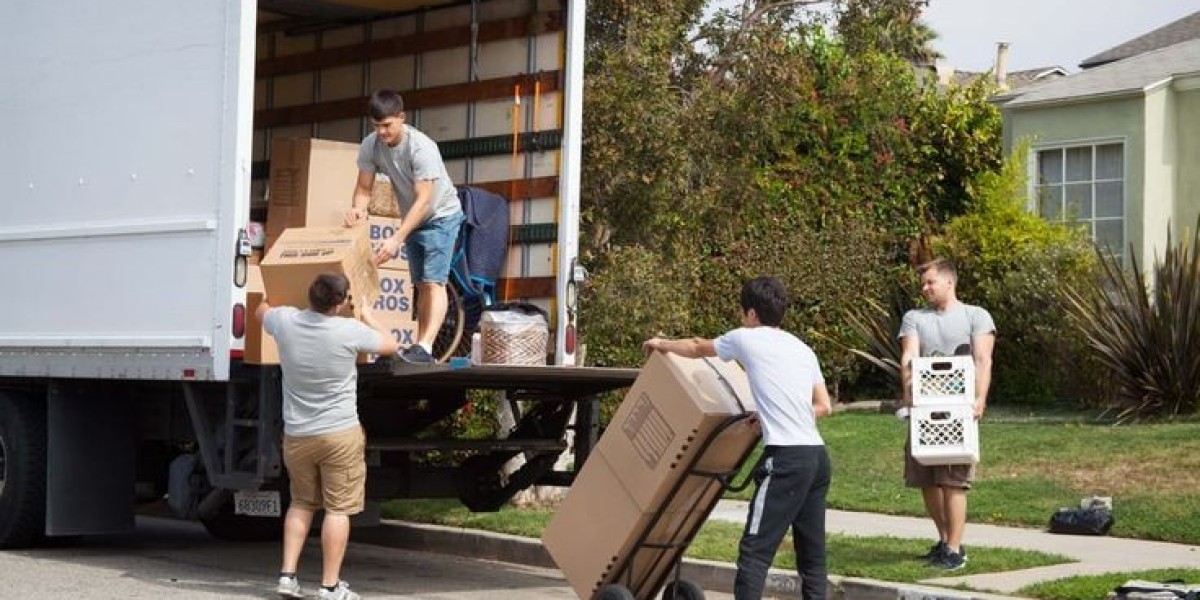


Preparing for a Local Move
Moving to a new home within the same city may seem simple, but the process still requires organization and careful preparation. Packing household belongings, arranging transportation, and coordinating moving schedules can take considerable time. A clear plan helps homeowners and renters manage these responsibilities while reducing unnecessary stress. Preparing early also makes it easier to handle unexpected changes during the relocation.
Understanding Your Moving Requirements
Every move has different requirements depending on the size of the property, the number of belongings, and the distance between locations. A Local Moving Company in Brooklyn NY can help residents plan the transportation of furniture, boxes, appliances, and other household items. Before scheduling a move, it is useful to create an inventory and identify belongings that need special attention, such as fragile decorations or oversized furniture.
Creating a Moving Checklist
A checklist keeps important tasks organized from the beginning of the moving process. Start by listing the rooms that need packing, the supplies required, and any arrangements that must be completed before moving day. Include tasks such as changing your address, organizing utilities, and confirming building access. Reviewing the checklist regularly helps prevent forgotten responsibilities and makes preparation easier to manage.
Sorting and Organizing Household Items
Moving provides an opportunity to review household belongings and decide what should be taken to the new property. Clothes, kitchen supplies, furniture, and personal items can be sorted into categories such as keep, donate, sell, or discard. Reducing unnecessary belongings can simplify packing and save space during transportation. It also makes unpacking easier because fewer items need to be organized after arrival.
Packing Items With Care
Proper packing helps protect belongings during loading, transportation, and unloading. Sturdy boxes, packing paper, protective wrapping, and suitable containers can help reduce the risk of damage. Heavy items should be placed in smaller boxes, while lighter belongings can go into larger containers. Fragile objects need additional cushioning, and boxes should be sealed securely to prevent their contents from shifting.
Protecting Furniture During Transportation
Furniture may develop scratches, dents, or other damage if it is not prepared properly. Tables, chairs, cabinets, and beds should be checked before transportation. Where possible, removable parts can be detached and stored with their related hardware. Protective blankets or wrapping materials can help shield surfaces from contact with other objects. Taking pictures before disassembly may also make reassembly easier.
Planning the Moving Day Schedule
A moving day schedule helps coordinate packing, loading, travel, and unloading. Residents should confirm the expected arrival time and make sure the property is ready for access. In apartment buildings, elevator reservations, parking arrangements, and building rules may affect the schedule. Keeping essential documents, keys, medications, and personal necessities separate from packed boxes can also make the day more convenient.
Managing Apartment and Building Access
Residential moves in busy neighborhoods can involve limited parking, narrow hallways, staircases, and shared entrances. These conditions should be considered before moving day to avoid unnecessary delays. Measuring large furniture and checking doorways can help identify access challenges in advance. Residents should also review any moving requirements set by their current or new building management.
Keeping Important Belongings Accessible
Some household items are needed immediately after reaching a new home. Prepare a separate bag or box with toiletries, basic clothing, phone chargers, important paperwork, and everyday essentials. This prevents the need to search through numerous containers after arrival. Clearly labeling essential boxes also helps ensure that frequently used belongings can be found without unpacking everything at once.
Reducing Moving Day Stress
A move becomes easier when responsibilities are clear and belongings are organized. Keeping walkways clear, grouping boxes by room, and communicating any special handling instructions can help maintain an orderly process. Residents should also allow enough time for unexpected situations, such as traffic or access delays. Staying flexible can make it easier to manage changes without disrupting the entire schedule.
Unpacking and Organizing the New Home
After transportation, unpacking should begin with the rooms and belongings needed most frequently. Setting up beds, arranging basic kitchen supplies, and organizing bathroom essentials can make the property comfortable sooner. Boxes should be placed in their designated rooms to reduce unnecessary movement. Taking time to unpack systematically also helps prevent clutter from spreading throughout the new home.
Making Your Next Move More Manageable
A successful local relocation depends on preparation, organization, and careful handling of household belongings. Creating an inventory, using suitable packing materials, planning building access, and keeping essential items separate can improve the overall experience. With a practical approach, residents can manage the different stages of moving more confidently and begin settling into their new home with fewer complications.







