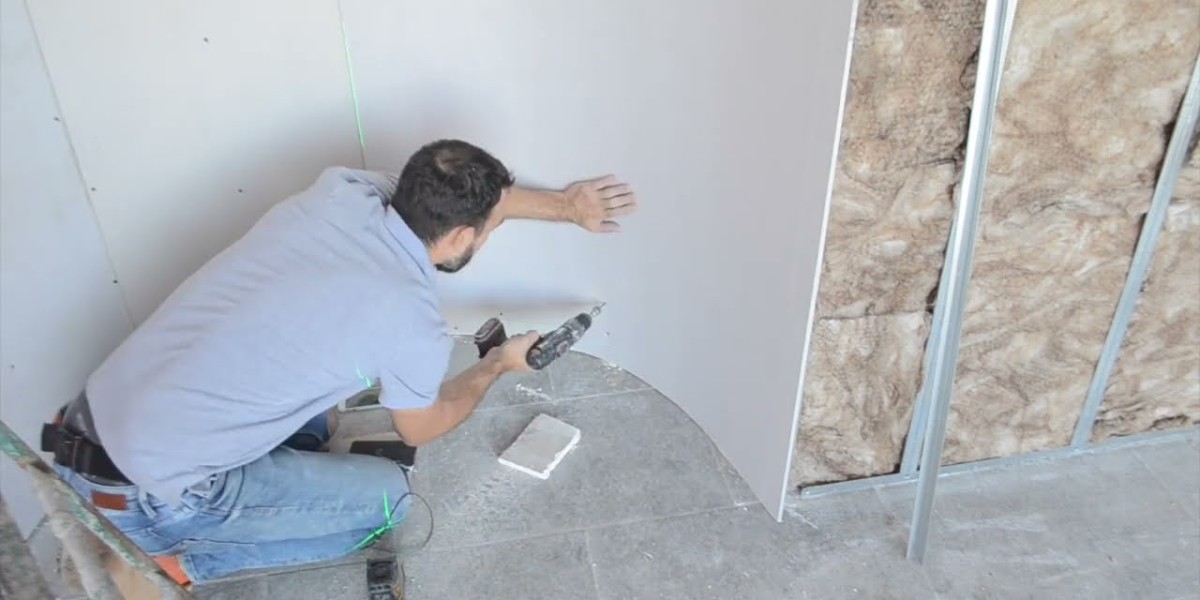


The Importance of Quality Drywall Work
Interior walls play an important role in the appearance, comfort, and functionality of a building. Properly installed drywall creates smooth surfaces for painting, decorating, and everyday use. Whether renovating an existing room or completing a new construction project, careful installation helps produce a clean and consistent finish. Good preparation and attention to detail also reduce the likelihood of visible imperfections.
Understanding Drywall Installation
Drywall installation involves measuring, cutting, positioning, and securing panels to wall or ceiling framing. Drywall Installation Baton Rouge LA can help property owners improve unfinished interiors, replace damaged surfaces, or create new room layouts. The right approach depends on the building structure, panel requirements, and condition of the installation area. Accurate measurements and secure fastening are essential for a stable and even surface.
Choosing the Appropriate Drywall Material
Different projects may require different drywall products. Standard panels are commonly used in many interior spaces, while moisture-resistant options may be suitable for certain areas exposed to humidity. Fire-resistant products are also available for locations where building requirements call for additional protection. Selecting the correct material should depend on the intended application, local building codes, and manufacturer recommendations.
Preparing the Installation Area
Proper preparation helps prevent problems during installation. The framing should be inspected to identify damaged sections, uneven surfaces, or missing supports. Electrical wiring, plumbing, insulation, and other components should be addressed before panels are attached. The work area should also be cleared of unnecessary materials so installers have enough room to measure, cut, and position drywall safely and accurately.
Measuring and Cutting Panels
Accurate measurements help minimize material waste and create better-fitting drywall sections. Panels should be measured according to the dimensions of the wall or ceiling, with openings for doors, windows, outlets, and other fixtures carefully planned. Clean cuts make installation easier and help reduce gaps between adjoining pieces. Proper panel positioning also contributes to a more consistent finished surface.
The Role of Professional Project Coordination
Interior improvements often involve several connected tasks, including framing, insulation, drywall, painting, and finishing. General contracting services can help coordinate different stages of a construction or renovation project. Having a clear work schedule and defined project responsibilities makes it easier to manage materials, labor, and progress. Good coordination also helps ensure that each stage is completed in the correct order.
Securing Drywall Panels Properly
Once panels are prepared, they must be positioned and fastened securely to the supporting framework. Fasteners should be placed according to the material and installation requirements. Poor fastening may contribute to loose panels, visible screw heads, or surface movement. Installers also need to consider panel alignment and joint placement to create a suitable foundation for the finishing process.
Taping and Joint Finishing
After installation, joints between panels need to be finished to create a smooth appearance. Joint tape and compound are commonly used to cover seams and fastener areas. Multiple applications may be necessary, with appropriate drying time and sanding between stages. Careful finishing helps reduce visible transitions and prepares the wall for primer, paint, or other decorative treatments.
Avoiding Common Installation Problems
Uneven framing, inaccurate measurements, poor fastening, and rushed finishing can affect the final result. Gaps between panels or improperly finished joints may become noticeable after painting. Excessive sanding can also damage the drywall surface. Following suitable installation procedures and allowing materials to dry properly helps reduce these problems and supports a cleaner interior finish.
Preparing Walls for Painting
A finished drywall surface needs proper preparation before paint is applied. Dust should be removed, imperfections should be addressed, and suitable primer should be used according to the surface and paint requirements. Primer helps create a more consistent base and supports better paint coverage. Taking time with preparation can improve the appearance of the finished room and reduce the need for repeated corrections.
Repairing Existing Drywall
Drywall may develop holes, cracks, dents, or other damage through everyday use. The appropriate repair method depends on the size and cause of the affected area. Small imperfections may require filling and refinishing, while larger damaged sections may need replacement. Before repairing a surface, it is important to identify whether moisture or another underlying issue is contributing to the damage.
Maintaining Interior Wall Surfaces
Regular care can help preserve the appearance of drywall after installation. Avoiding excessive moisture, handling furniture carefully, and addressing minor damage early can reduce the need for extensive repairs. Areas that experience frequent contact may benefit from occasional inspection. If cracks or stains continue to return, investigating the underlying cause is important rather than repeatedly covering the visible problem.
Completing a Well-Planned Interior Project
Successful drywall work depends on suitable materials, accurate measurements, secure installation, and careful finishing. Coordinating these tasks with the broader construction plan helps create a more organized renovation process. Property owners who consider the condition of the building and the intended use of each space can make better decisions about materials and project requirements, resulting in cleaner and more functional interiors.







